
Uncategorized
KT Tape Shoulder Rotator Cuff: How to Tape for Support and Pain Relief

Published
6 days agoon
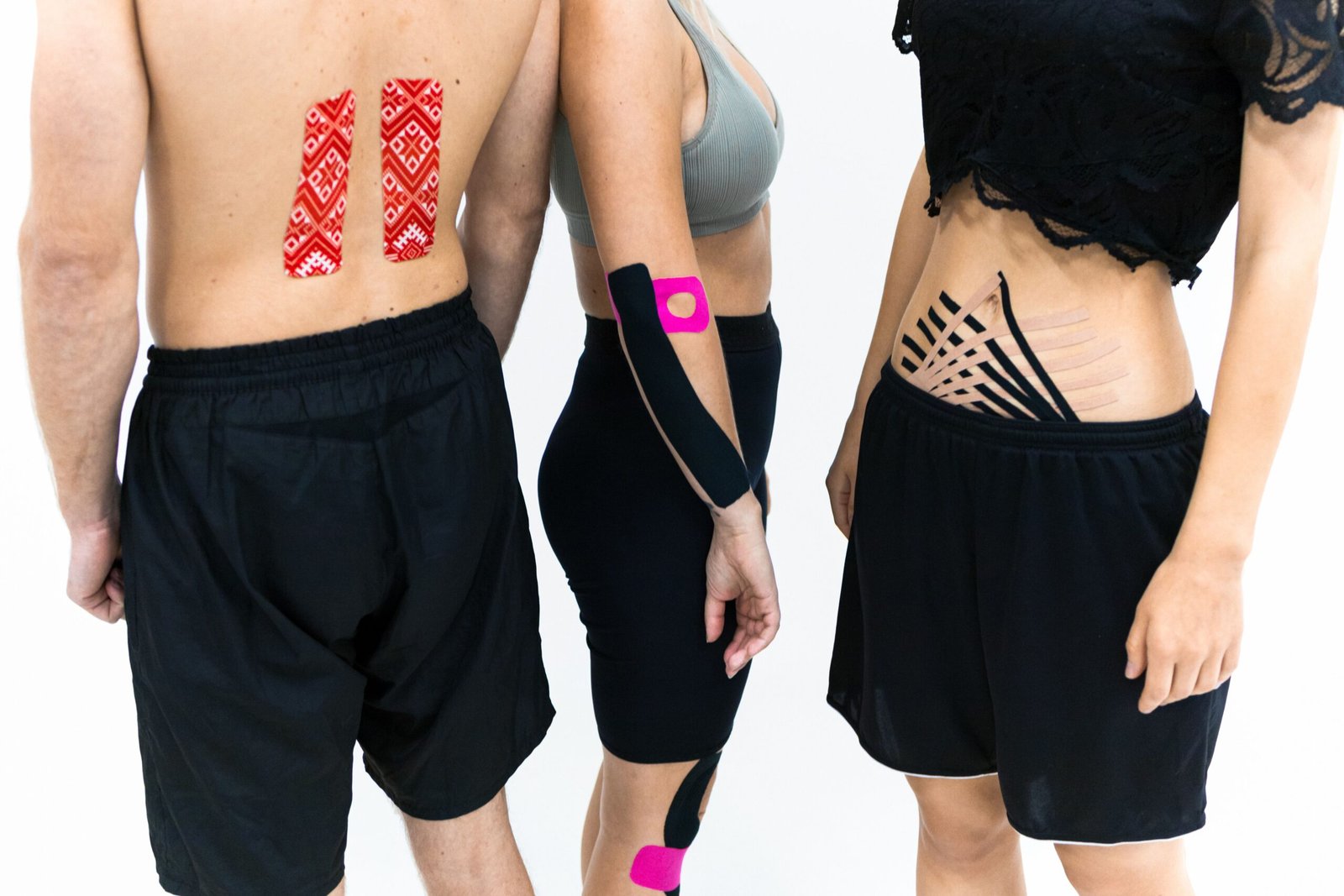
Table of Contents
ToggleShoulder pain can make everyday activities surprisingly difficult, particularly when reaching overhead, lifting objects, putting on clothing, sleeping on the affected side, or participating in sports. Because the rotator cuff plays an important role in stabilizing and moving the shoulder, irritation or injury in this group of muscles and tendons can produce discomfort that interferes with both exercise and normal daily activities. One commonly searched option for additional support is KT Tape for the shoulder rotator cuff. Kinesiology tape is designed to stretch and move with the body, and many people use it as part of a broader approach to managing shoulder discomfort. However, taping should be viewed as a supportive technique rather than a replacement for proper diagnosis, rehabilitation, or medical treatment when those are needed.
Understanding how KT Tape shoulder rotator cuff applications are intended to work can help you use the product more appropriately. Taping may provide a feeling of support, increase awareness of shoulder positioning, and potentially make certain movements more comfortable for some people. At the same time, shoulder pain can have many different causes, including rotator cuff tendinopathy, muscle strain, bursitis, impingement-related problems, arthritis, instability, or a more significant tear. Because these conditions can require different treatments, it is important not to assume that every painful shoulder problem is simply a rotator cuff issue. This guide explains the general purpose of kinesiology tape, how people commonly approach shoulder taping, important precautions, and when professional evaluation is appropriate.
What Is the Rotator Cuff?
The rotator cuff is a group of four muscles and their associated tendons that help stabilize the shoulder joint and contribute to shoulder movement. These muscles work together to keep the head of the upper arm bone properly positioned within the shoulder socket while the arm moves. Because the shoulder has a very large range of motion, the rotator cuff is exposed to considerable demands during activities such as throwing, swimming, weight training, repetitive overhead work, and even some everyday movements.
Problems involving the rotator cuff can range from relatively minor irritation to significant tendon damage. Symptoms may include shoulder pain, weakness, discomfort when lifting the arm, reduced range of motion, or pain that becomes particularly noticeable at night. Some people experience symptoms gradually after repetitive activity, while others develop sudden pain after lifting something heavy or experiencing an accident. Identifying the underlying problem is important because taping may provide temporary support or comfort but does not repair a damaged tendon.
What Is KT Tape?
KT Tape is a brand of kinesiology tape, a flexible adhesive tape designed to move with the skin and body rather than rigidly immobilizing a joint. Unlike traditional athletic tape, which is often applied to restrict movement, kinesiology tape is generally intended to provide a flexible form of support. People use it for a variety of muscles and joints, including the shoulder, knee, elbow, ankle, and back.
When used for rotator cuff KT Tape applications, the tape is typically positioned over areas associated with the shoulder and upper arm. The exact application can vary depending on the person’s symptoms, activity, and the taping method being used. Since kinesiology tape techniques are not a one-size-fits-all treatment, following the manufacturer’s instructions or receiving guidance from a physical therapist or other qualified professional can be particularly helpful.
Can KT Tape Help Rotator Cuff Pain?
KT Tape may help some people feel more comfortable while performing certain activities, but it is important to understand what it can and cannot do. A person may perceive additional support or increased awareness of the taped area, which can influence how they move the shoulder. Some users also report that taping makes physical activity more comfortable. However, the evidence for kinesiology tape as a standalone treatment for rotator cuff problems is mixed, and it should not be considered a cure for a rotator cuff injury.
For someone with shoulder pain, the most important question is not simply whether KT Tape for rotator cuff symptoms can provide temporary relief but why the shoulder hurts in the first place. Rehabilitation exercises, activity modification, appropriate strengthening, mobility work, and professional assessment may be much more important for long-term recovery. If tape allows someone to move more comfortably while following an appropriate rehabilitation program, it may be useful as an adjunct rather than the main treatment.
How to Apply KT Tape for the Shoulder Rotator Cuff
A typical KT Tape shoulder rotator cuff application involves placing flexible strips of kinesiology tape around the shoulder and upper-arm region in a pattern intended to provide support without unnecessarily restricting movement. Before applying tape, the skin should generally be clean, dry, and free from oils or lotions so that the adhesive can adhere properly. It is also wise to test a small area first if you have sensitive skin or have never used the product before.
The shoulder is commonly positioned in a way that gently lengthens the tissues being taped, and the tape is then applied according to the specific technique. Different applications use different strips and directions, so there is no single universal pattern that is appropriate for every rotator cuff problem. The tape should not be applied so tightly that it causes numbness, tingling, discoloration, increased pain, or circulation problems. If you experience these symptoms, remove the tape rather than attempting to tolerate the discomfort.
For the most accurate application, consider following the official instructions supplied with your particular KT Tape product or having a physical therapist demonstrate the technique. This is especially useful when you are dealing with an injury rather than simply using tape for general activity support. Proper positioning and application matter, and an incorrect technique may provide little benefit or could irritate the skin.
Preparing Your Shoulder Before Taping
Good preparation can make a substantial difference in how well kinesiology tape adheres. The skin should be clean and dry, and excessive hair can sometimes interfere with adhesion. Avoid applying lotions, oils, or other products immediately before taping because they may reduce the adhesive’s ability to stick. If you have a wound, rash, infection, significant skin irritation, or another skin problem in the area, taping directly over it is generally inappropriate.
It is also worth considering whether the tape is actually suitable for your situation. If your shoulder pain is severe, started after a significant injury, or is accompanied by substantial weakness or loss of movement, applying tape without first understanding the injury may delay appropriate care. Tape can be useful for comfort, but it should not give someone a false sense of security that encourages them to continue an activity that is aggravating a significant injury.
How Long Can You Wear KT Tape?
The amount of time kinesiology tape can remain on the skin depends on the specific product, individual skin sensitivity, and application conditions. Many kinesiology tapes are designed to remain attached for multiple days, including during normal daily activities, but users should always follow the instructions supplied with their particular product.
The tape should be removed sooner if it causes significant itching, burning, redness, swelling, blistering, or other skin reactions. Removing the tape carefully rather than aggressively pulling it away from the skin can help reduce irritation. If you repeatedly develop skin reactions to kinesiology tape, it is better to stop using it and discuss alternatives with a healthcare professional.
KT Tape vs. Traditional Athletic Tape
One important distinction is that kinesiology tape and traditional athletic tape serve different purposes. Rigid athletic tape is often used when limiting or controlling movement is a priority, whereas kinesiology tape is elastic and designed to move with the body. This difference is particularly relevant to the shoulder because completely restricting shoulder movement is not necessarily desirable for many rehabilitation situations.
That does not mean one type of tape is universally better than the other. The appropriate choice depends on the purpose of taping, the injury, the individual’s needs, and professional recommendations. For a suspected rotator cuff injury, the goal should generally be appropriate rehabilitation and recovery rather than simply trying to immobilize the shoulder or mask symptoms.
Benefits of KT Tape for Shoulder Support
One potential benefit of KT Tape for shoulder pain is that it may provide a subjective feeling of support while allowing the shoulder to move relatively freely. Some individuals also find that taping increases their awareness of shoulder movement, which may help them pay closer attention to posture and technique during certain activities. Athletes sometimes use kinesiology tape because they prefer the flexibility compared with more restrictive taping methods.
Another potential advantage is convenience. Tape can be applied before exercise or other activities and does not require the person to wear a rigid brace. Nevertheless, the benefits vary considerably between individuals. If taping consistently makes your shoulder feel better during activity, it may have a place in your overall strategy, but it should not be used to ignore persistent or worsening symptoms.
Common Mistakes When Using Rotator Cuff KT Tape
One of the most common mistakes is assuming that more tension automatically means more support. Kinesiology tape is designed to be flexible, and applying excessive tension can increase skin irritation without necessarily improving the underlying shoulder problem. Another mistake is applying tape over dirty, oily, or damp skin, which can cause the tape to peel prematurely.
People may also make the mistake of taping the shoulder and immediately returning to an activity that caused the pain. If the tape reduces discomfort enough to make an aggravating activity feel manageable, it can become tempting to push through the injury. This is not necessarily a sign that the injury has healed. Pain reduction and tissue recovery are not the same thing.
Finally, relying on online taping diagrams without considering the underlying diagnosis can be problematic. A technique intended for one type of shoulder complaint may not be appropriate for another. If shoulder pain continues despite rest and basic self-care, professional assessment is a more useful next step than continually experimenting with different taping patterns.
Other Ways to Support Rotator Cuff Recovery
Taping is only one possible component of shoulder care. Depending on the cause of the symptoms, a rehabilitation program may include gradual strengthening of the rotator cuff and surrounding shoulder muscles, mobility exercises, posture and movement training, and modification of activities that repeatedly aggravate the shoulder. A physical therapist can assess movement patterns and help develop an individualized progression.
Adequate recovery time can also be important. Repeatedly performing painful overhead movements or heavy lifting may continue to irritate the affected tissues. That does not necessarily mean complete inactivity is required. In many situations, appropriately scaled movement is preferable to prolonged avoidance of all shoulder activity. The appropriate balance depends on the specific condition and severity of the injury.
When Should You See a Doctor or Physical Therapist?
You should consider professional evaluation when shoulder pain is severe, persistent, repeatedly returning, or associated with significant weakness or loss of movement. Medical assessment is particularly important after a fall, collision, dislocation, or other traumatic event. A sudden inability to raise the arm normally can also warrant prompt evaluation because significant structural injury may require more than taping and home exercises.
Seek urgent medical attention if shoulder or arm symptoms occur alongside chest pressure, difficulty breathing, sweating, fainting, or other symptoms that could indicate a medical emergency. Likewise, severe swelling, deformity, significant numbness, or major changes in the color or temperature of the arm should not be treated simply by applying KT Tape.
Who Should Avoid KT Tape?
Although many people can use kinesiology tape without problems, it is not appropriate for every person or every skin condition. People with known adhesive allergies or significant skin sensitivity should be cautious. Tape should not normally be placed over open wounds, infected skin, or areas of serious irritation.
If you have circulation problems, unusual skin reactions, or another medical condition that could affect the safety of taping, ask a healthcare professional before using it. Removing the tape is appropriate if you experience burning, significant itching, blistering, worsening pain, numbness, or other concerning symptoms.
Frequently Asked Questions
Does KT Tape help a rotator cuff injury?
KT Tape may provide temporary support or improve comfort for some people, but it does not repair a torn or damaged rotator cuff tendon. It should generally be considered an optional supportive measure rather than a primary treatment.
Where do you put KT Tape for rotator cuff pain?
The placement depends on the specific shoulder problem and taping technique. Kinesiology tape is commonly positioned around the shoulder and upper-arm region, but there is no single application that is appropriate for every type of rotator cuff pain. Following product instructions or getting an individualized demonstration from a physical therapist is preferable.
Can I sleep with KT Tape on my shoulder?
Some kinesiology tapes are designed to remain on the skin for an extended period, so some people wear them overnight. However, remove the tape if it causes irritation, itching, burning, swelling, or other skin problems, and follow the instructions for your particular product.
Should KT Tape be tight on the shoulder?
Kinesiology tape should not be applied so tightly that it causes discomfort, numbness, tingling, discoloration, or circulation problems. More tension does not necessarily mean greater effectiveness.
Can KT Tape heal a rotator cuff tear?
No. KT Tape cannot repair a torn tendon. A significant rotator cuff tear may require a structured rehabilitation program and, depending on its severity and circumstances, evaluation by an orthopedic or sports-medicine professional.
Can I exercise while wearing KT Tape for shoulder pain?
Some people wear kinesiology tape during exercise, but tape should not be used to hide pain and continue an activity that is worsening an injury. If an exercise causes significant pain, weakness, or loss of function, it is better to modify or stop the activity and determine the underlying cause.
How long does KT Tape stay on?
The duration varies according to the product, application, skin type, and activity. Follow the manufacturer’s directions and remove the tape if it causes a skin reaction or other concerning symptoms.
Is KT Tape better than a shoulder brace?
Neither is universally better. KT Tape provides flexible support and generally permits movement, while a brace may provide a different level or type of support. The best option depends on the specific condition and the purpose of the support.
Conclusion
KT Tape shoulder rotator cuff applications can be a convenient way to add flexible support and may help some people feel more comfortable during daily activities or exercise. However, kinesiology tape should be understood as a supportive tool rather than a treatment that repairs the rotator cuff. Shoulder pain has many possible causes, and identifying the underlying problem is much more important for long-term recovery than simply finding the right taping pattern. Using tape correctly, avoiding excessive tension, paying attention to skin reactions, and following the instructions for the specific product can help make its use safer and more practical.
For persistent rotator cuff symptoms, a comprehensive approach is usually more valuable than taping alone. Appropriate activity modification, gradual rehabilitation, strengthening, mobility work, and professional assessment when necessary can address the underlying problem more effectively. If you experience severe pain, substantial weakness, sudden loss of movement, or symptoms following a significant injury, seek professional medical evaluation rather than relying on KT Tape for shoulder pain. When used appropriately as part of a broader strategy, kinesiology tape may have a useful supporting role, but it should never replace proper care when a shoulder injury requires evaluation.
You may like
Uncategorized
Chevy Electric Vehicles: The Complete Guide to Models, Features, Performance, Charging, and Future Innovation
Published
3 months agoon
July 2, 2026
Table of Contents
ToggleThe automotive industry is rapidly transitioning toward sustainable transportation, and Chevy electric vehicles have become one of the strongest competitors in today’s electric vehicle market. Chevrolet has invested billions of dollars into developing advanced battery technology, expanding its electric vehicle lineup, and making EV ownership more affordable for everyday drivers. Whether you’re looking for a compact commuter car, a family-friendly SUV, or a powerful electric pickup truck, Chevrolet now offers an impressive selection designed to meet a wide range of driving needs.
Modern Chevrolet electric vehicles combine cutting-edge battery systems, intelligent driver assistance technologies, spacious interiors, fast charging capabilities, and competitive pricing. As governments worldwide encourage cleaner transportation and charging infrastructure continues to improve, more consumers are considering electric vehicles as their next purchase. Chevrolet’s commitment to innovation makes it easier than ever to switch from gasoline-powered cars to fully electric driving without sacrificing comfort, performance, or practicality.
In this comprehensive guide, you’ll learn everything about Chevy electric vehicles, including their models, battery technology, driving range, charging options, performance, safety features, maintenance costs, environmental benefits, and buying considerations.
What Are Chevy Electric Vehicles?
Chevy electric vehicles are automobiles powered entirely by electric motors instead of traditional gasoline engines. Rather than relying on fuel combustion, these vehicles store electricity in large lithium-ion battery packs that provide energy to electric motors. This technology delivers instant acceleration, quiet operation, reduced emissions, and significantly lower operating costs.
Chevrolet has focused on building electric vehicles that appeal to a broad audience. Instead of producing only luxury EVs, the company offers affordable options alongside premium SUVs and full-size pickup trucks. This strategy has helped make electric mobility accessible to families, commuters, business owners, and adventure enthusiasts alike.
The latest Chevy EV lineup also incorporates advanced software, connected vehicle services, over-the-air updates, regenerative braking, and intelligent energy management systems that maximize driving efficiency while enhancing the ownership experience.
Current Chevy Electric Vehicle Lineup
Chevrolet has significantly expanded its electric vehicle portfolio over the past few years.
Chevrolet Bolt EV
The Chevrolet Bolt EV gained popularity as one of the most affordable long-range electric cars available. It provides impressive efficiency, compact dimensions, and practical everyday usability. Many drivers appreciate its responsive acceleration, easy maneuverability, and low ownership costs.
Chevrolet Bolt EUV
The Bolt EUV offers additional passenger space and cargo capacity while maintaining excellent electric driving performance. It also introduced advanced driver-assistance technologies and a more refined interior.
Chevrolet Equinox EV
The Equinox EV is designed for families seeking a practical electric SUV with generous interior space, modern infotainment technology, and competitive pricing. It balances affordability with strong driving range and advanced safety systems.
Chevrolet Blazer EV
The Blazer EV targets buyers looking for sporty styling combined with electric performance. Available in multiple trims, it offers impressive acceleration, premium interior materials, and advanced connectivity features.
Chevrolet Silverado EV
The Silverado EV brings electric power to the pickup truck market. It combines exceptional towing capability, innovative storage solutions, advanced battery technology, and long driving range, making it suitable for both commercial and recreational use.
Battery Technology Behind Chevy Electric Vehicles
Battery technology is the foundation of every electric vehicle, and Chevrolet has invested heavily in developing advanced battery systems. Modern Chevy electric vehicles utilize high-capacity lithium-ion battery packs engineered to maximize efficiency, durability, and safety.
The battery architecture enables improved energy density while reducing charging times and extending overall driving range. Advanced thermal management systems regulate battery temperature during charging and operation, helping maintain consistent performance under varying weather conditions.
Battery management software continuously monitors charging status, cell health, and energy usage to optimize efficiency and extend battery lifespan. These innovations help owners enjoy dependable performance over many years of daily driving.
Driving Range and Efficiency
Driving range remains one of the most important considerations when purchasing an electric vehicle. Chevrolet has made substantial improvements in battery efficiency, allowing many of its EVs to travel hundreds of miles on a single charge.
Factors affecting range include driving speed, weather conditions, terrain, passenger weight, cargo load, and use of climate control systems. Regenerative braking technology helps recover energy during deceleration, extending driving distance while improving overall efficiency.
For most daily commuters, Chevy electric vehicles provide more than enough range to complete regular travel without requiring frequent charging.
Charging Chevy Electric Vehicles
Charging options continue to expand as electric vehicle infrastructure grows across cities and highways.
Level 1 Charging
Level 1 charging uses a standard household outlet and is ideal for overnight charging or drivers with shorter daily commutes.
Level 2 Charging
Level 2 charging stations deliver significantly faster charging speeds and are commonly installed at homes, workplaces, shopping centers, and parking garages.
DC Fast Charging
DC fast chargers provide rapid battery replenishment during long-distance travel. Many Chevy electric vehicles support fast charging that can add substantial driving range within a relatively short charging session.
Chevrolet also offers digital tools that help drivers locate nearby charging stations, monitor charging progress remotely, and schedule charging during lower electricity rate periods.
Performance and Driving Experience
One of the biggest advantages of electric vehicles is instant torque delivery. Chevy electric vehicles accelerate smoothly and quickly because electric motors generate maximum torque immediately.
The low placement of battery packs lowers the center of gravity, improving handling, stability, and cornering performance. Drivers also experience quieter cabins since electric motors produce minimal noise compared to internal combustion engines.
Advanced suspension tuning, precise steering, and sophisticated traction control systems further enhance the overall driving experience.
Interior Comfort and Technology
Chevrolet has equipped its latest electric vehicles with premium interior features designed for convenience and connectivity.
Large touchscreen infotainment systems provide navigation, smartphone integration, wireless connectivity, voice recognition, and access to charging information. Digital instrument clusters display battery status, driving efficiency, estimated range, and energy usage in real time.
Many models also include heated seats, panoramic sunroofs, wireless charging pads, premium audio systems, and spacious cargo areas that make long journeys comfortable for both drivers and passengers.
Safety Features
Safety remains a top priority throughout the Chevy electric vehicle lineup.
Many models include advanced driver assistance technologies such as adaptive cruise control, automatic emergency braking, lane departure warning, lane keeping assistance, blind spot monitoring, rear cross-traffic alert, pedestrian detection, parking assistance, and high-definition surround-view cameras.
Strong battery protection systems, reinforced vehicle structures, and multiple airbags provide additional peace of mind for occupants.
Maintenance Costs
Chevy electric vehicles generally require less maintenance than gasoline-powered vehicles because they contain fewer moving mechanical parts.
Owners typically avoid expenses related to oil changes, spark plug replacements, fuel filters, timing belts, and exhaust system repairs. Brake wear is also reduced due to regenerative braking technology.
Although battery replacement can be costly outside warranty coverage, modern battery systems are designed to last for many years with proper care.
Environmental Benefits
Driving a Chevy electric vehicle contributes to lower greenhouse gas emissions and improved air quality. Since electric motors produce zero tailpipe emissions, they help reduce pollution in urban environments.
As electricity generation increasingly incorporates renewable energy sources such as wind and solar power, the environmental advantages of electric vehicles continue to grow. Choosing an electric vehicle also reduces dependence on fossil fuels while supporting global sustainability initiatives.
Why Choose Chevy Electric Vehicles?
Chevrolet has positioned itself as one of the leading manufacturers offering practical, affordable, and technologically advanced electric vehicles. Buyers benefit from competitive pricing, generous driving range, innovative safety features, expanding charging compatibility, and modern interior technology.
The company’s growing lineup ensures there is an electric vehicle suitable for commuters, families, outdoor enthusiasts, and commercial users alike. Combined with lower operating costs and reduced environmental impact, Chevy electric vehicles represent a compelling option for today’s drivers.
The Future of Chevy Electric Vehicles
Chevrolet continues investing in battery innovation, software development, autonomous driving technologies, and expanded charging infrastructure. Future models are expected to deliver longer driving ranges, faster charging speeds, enhanced connectivity, and even more affordable pricing.
As battery technology evolves and charging networks become increasingly widespread, Chevrolet aims to make electric transportation accessible to millions of drivers around the world.
Conclusion
Chevy electric vehicles represent a significant step toward the future of transportation by combining advanced engineering, innovative battery technology, practical driving range, and everyday affordability. Whether you choose the compact Bolt EV, the versatile Equinox EV, the sporty Blazer EV, or the powerful Silverado EV, Chevrolet offers electric vehicles designed to meet diverse lifestyles and driving requirements.
With lower maintenance costs, expanding charging infrastructure, advanced safety technologies, and continuous innovation, Chevrolet is helping accelerate the transition to cleaner and more sustainable mobility. As electric vehicle adoption continues to rise, Chevy remains well-positioned to deliver reliable, efficient, and feature-rich EVs that appeal to both first-time buyers and experienced electric vehicle owners.
Frequently Asked Questions (FAQs)
1. What are Chevy electric vehicles?
Chevy electric vehicles are fully battery-powered automobiles that operate using electric motors instead of gasoline engines, producing zero tailpipe emissions.
2. Which Chevy electric vehicle has the longest driving range?
The Chevrolet Silverado EV offers one of the longest driving ranges in Chevrolet’s current electric vehicle lineup, depending on the selected trim and battery configuration.
3. Are Chevy electric vehicles expensive to maintain?
No. They generally cost less to maintain than gasoline vehicles because they require fewer routine mechanical services, such as oil changes and engine maintenance.
4. Can I charge a Chevy EV at home?
Yes. Chevy electric vehicles can be charged using a standard household outlet or a faster Level 2 home charging station.
5. How long does it take to charge a Chevy electric vehicle?
Charging time depends on the charger type. Level 1 charging may take many hours, Level 2 charging typically replenishes the battery overnight, and DC fast charging can add a significant amount of range in a much shorter time.
6. Are Chevy electric vehicles good for long trips?
Yes. With improved battery range and access to expanding public fast-charging networks, modern Chevy EVs are well suited for both daily commuting and long-distance travel.
7. Do Chevy electric vehicles qualify for incentives?
Eligibility varies by country, region, vehicle model, and current government programs. Buyers should check the latest local incentives before purchasing.
8. Why should I choose a Chevy electric vehicle?
Chevy electric vehicles offer competitive pricing, strong performance, modern technology, advanced safety features, lower maintenance costs, and an expanding lineup that includes cars, SUVs, and pickup trucks, making them a practical choice for many drivers.

Domino’s Extravaganza: Complete Guide to the Popular Loaded Pizza

KT Tape Shoulder Rotator Cuff: How to Tape for Support and Pain Relief

Elle Brooke Dredd: Who Are They and What Does the Search Term Mean?

Katie Holmes and Joshua Jackson: Their Hollywood Journey, Connection, and Career Highlights

Pedro Vaz Paulo: Leadership, Business Strategy, and Professional Excellence

Belgium De Bruyne: Career, Achievements, Playing Style and Football Legacy
Trending
 Celebrity3 months ago
Katie Holmes and Joshua Jackson: Their Hollywood Journey, Connection, and Career Highlights
- Business3 months ago
Pedro Vaz Paulo: Leadership, Business Strategy, and Professional Excellence
- Celebrity3 months ago
Belgium De Bruyne: Career, Achievements, Playing Style and Football Legacy
- News3 months ago
Sea Isle News: Latest Local Updates, Events, Weather, and Community Stories
- Tech3 months ago
MindArk Entropia: The Complete Guide to the World’s Most Unique Virtual Economy
- Business2 months ago
Sportsman’s Warehouse Store Closures: Everything You Need to Know About Store Shutdowns, Business Strategy, and Future Growth
- Tech3 months ago
Mazda CX-5 2025: Complete Review, Specs, Features, Price, Performance, and Buying Guide
- Entertainment3 months ago
Brewzle: The Complete Guide to Everything You Need to Know