Connect with us

Blog

Domino’s Extravaganza: Complete Guide to the Popular Loaded Pizza

Published

on

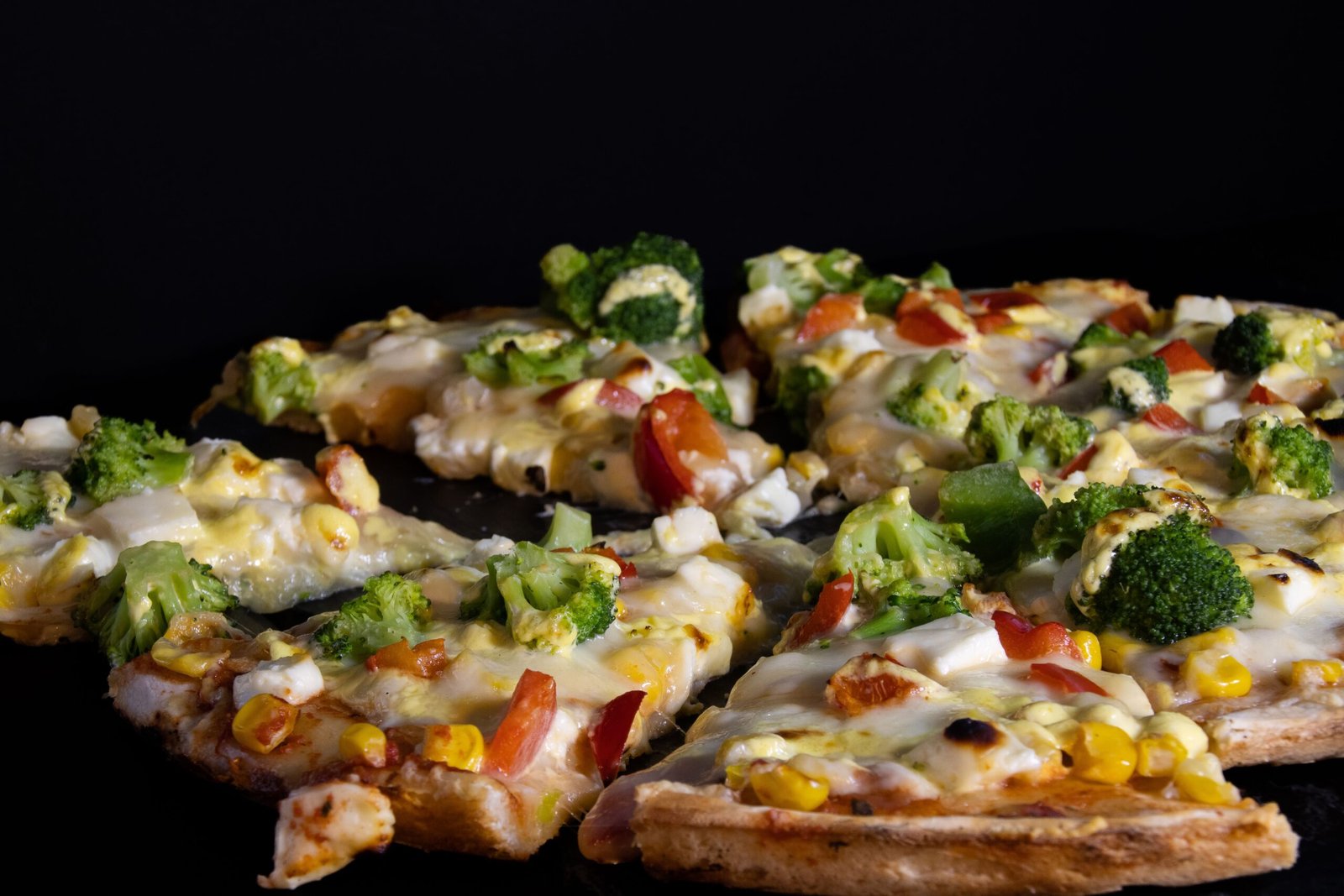
Domino’s Extravaganza

Domino’s Extravaganza is a pizza option that attracts attention because of its loaded approach to toppings and its appeal to customers who want more variety in every slice. Rather than focusing on one or two main ingredients, an Extravaganza-style pizza is generally associated with a combination of meats, vegetables, cheese, and other toppings designed to create a substantial and flavorful pizza. For people who enjoy having several flavors together instead of choosing a simple cheese or single-topping pizza, the name “Extravaganza” naturally suggests something abundant and indulgent. Because Domino’s menus and available recipes can vary by country and can change over time, customers should always check their local Domino’s menu for the exact current ingredients and customization choices before placing an order.

When people search for Domino’s Extravaganza, they may be looking for several different kinds of information. Some want to know exactly what toppings are included, while others are interested in the taste, available sizes, crust choices, customization options, calories, price, or whether the pizza is suitable for sharing. Understanding these details can make ordering easier, particularly when ordering for a family, group of friends, or gathering where different people may have different preferences. This guide explores the concept of Domino’s Extravaganza in detail and explains the important things to consider when deciding whether this loaded pizza fits your meal.

What Is Domino’s Extravaganza?

Domino’s Extravaganza is generally presented as a generously topped pizza intended for customers who enjoy a combination of different ingredients rather than a minimalist pizza. The exact recipe depends on the country and local Domino’s menu, but the concept typically centers on bringing several topping categories together on one pizza. This can make the Extravaganza different from pizzas built around a single dominant flavor, because each bite may contain a mixture of savory, cheesy, meaty, and vegetable flavors. The result is designed for people who want a more varied pizza experience without having to order several separate pizzas to enjoy different toppings.

One important point for anyone researching the Domino’s Extravaganza menu is that Domino’s operates in many markets, and menu names and recipes are not necessarily identical everywhere. A pizza carrying the Extravaganza name in one country may have a somewhat different topping combination in another. Even within the same market, recipes, ingredients, sizes, crusts, promotions, and prices can change. For this reason, online descriptions should be treated as general guidance rather than a substitute for the current local menu. Checking the Domino’s ordering page or local store menu before ordering is the best way to confirm what is currently included.

Domino’s Extravaganza Toppings and Ingredients

The most important attraction of an Extravaganza pizza is usually its variety of toppings. A loaded pizza can combine several ingredients that provide different textures and flavors, allowing the customer to experience something different from slice to slice. Depending on the local recipe, the pizza may include combinations of meat toppings, vegetables, cheese, and sauce. The cheese provides the familiar rich and creamy foundation, while the other ingredients add savory, salty, sweet, crisp, or juicy elements. This combination is one reason a heavily topped pizza can feel more substantial than a simple cheese pizza.

If you are particularly interested in Extravaganza ingredients, it is important to check the menu for your specific Domino’s location because recipes can vary. Customers with food allergies or dietary restrictions should be especially careful rather than relying on the name of the pizza alone. Ingredients and preparation methods can differ by market, and cross-contact may also be relevant depending on the food item and store. If a particular ingredient is important to avoid, checking the official ingredient information and asking the local store for clarification is the safest approach.

How Does Domino’s Extravaganza Taste?

The appeal of a loaded pizza comes from the combination of multiple flavors rather than a single dominant ingredient. The sauce and cheese provide the familiar pizza foundation, while the different toppings contribute their own characteristics. Meat toppings can add savory richness, vegetables can provide contrasting textures and freshness, and the crust contributes the structure that brings everything together. Because there are many toppings, the overall experience can be more complex than that of a basic cheese pizza.

The taste can also depend heavily on the crust selected and how the pizza is customized. A thinner crust may allow the toppings to remain the dominant feature, while a thicker or more substantial crust can create a heartier meal. Extra cheese or additional toppings can also change the balance of flavors and textures. Someone who enjoys a pizza with plenty of ingredients may appreciate this variety, while someone who prefers a very simple flavor profile may find a loaded pizza more complicated than necessary.

Why Do People Choose a Loaded Pizza?

One major reason customers choose a pizza such as the Domino’s Extravaganza is variety. When several people are sharing a pizza, a combination of toppings can provide something for people who enjoy different flavors. It can also be convenient for customers who like multiple toppings but do not want to order individual pizzas for each preference. Instead of selecting one meat or one vegetable, the customer gets a broader combination in one menu item.

Another reason is the sense of abundance associated with a loaded pizza. The visible toppings can make the pizza feel more substantial, particularly when compared with a plain cheese pizza. This can make it appealing for casual gatherings, family meals, parties, movie nights, or other occasions where food is being shared. The convenience of ordering through Domino’s can further add to its appeal because customers can often choose a size, crust, toppings, and other options according to the local menu.

Choosing the Right Size

Selecting the appropriate pizza size is an important part of ordering. The ideal size depends on the number of people eating, how hungry they are, whether additional side dishes are being ordered, and whether leftovers are desired. For a single person, a smaller pizza may be sufficient, while a family or group may need a larger size or multiple pizzas. Since Domino’s pizza sizes can differ by market, customers should check the local ordering page for the available options.

When ordering a heavily topped pizza for several people, it can also be useful to consider the preferences of everyone sharing the meal. A pizza with many ingredients may work well for people who enjoy variety, but a group with highly specific preferences may prefer multiple pizzas with different topping combinations. Splitting an order between a loaded pizza and one or two simpler choices can sometimes make it easier to accommodate different tastes.

Customizing Domino’s Extravaganza

Customization is another important part of the Domino’s ordering experience, although the options available depend on the local Domino’s store and menu. Customers may be able to change the crust, remove particular toppings, add additional toppings, or adjust other components of the order. Before ordering, it is worth reviewing the available customization choices because a pizza does not necessarily have to be consumed exactly as it appears in the standard menu description.

Customization can be particularly useful when ordering for a group. If one person dislikes a particular vegetable or meat ingredient, removing that topping may make the pizza more suitable. Likewise, customers who have a strong preference for cheese, vegetables, or certain meats can look at the available options and determine whether the standard Extravaganza combination meets their needs. However, customers with allergies should use official ingredient and allergen information rather than assuming that removing one visible topping eliminates all potential exposure.

Is Domino’s Extravaganza Good for Sharing?

A loaded pizza can be a practical choice for sharing because it offers a broad mixture of flavors in one order. For family dinners and casual gatherings, the variety can reduce the need to order several different pizzas. People can select slices according to which toppings appeal to them, while the combination provides enough variation to keep the meal interesting. The suitability for sharing ultimately depends on the pizza size and the number of people eating.

For a larger gathering, however, it can be useful to think beyond the Extravaganza alone. If guests have different dietary preferences, combining different pizzas may provide more flexibility. For example, one pizza could have a broad mixture of toppings while another could be simpler. Side dishes can also be included depending on the local Domino’s menu. This approach can make an order easier to share when everyone does not have identical tastes.

Domino’s Extravaganza and Nutrition

Anyone interested in the nutritional side of Domino’s Extravaganza should check the official nutrition information for their local Domino’s operation. Nutritional values can vary according to the country, recipe, pizza size, crust, toppings, and serving size. Adding extra cheese or additional toppings can also change the nutritional profile. Therefore, a single generic calorie number found online may not accurately represent the pizza available at a particular store.

For customers tracking calories, sodium, protein, carbohydrates, fat, or other nutritional information, the most reliable approach is to use the current official nutritional information provided by the relevant Domino’s market. Portion size also matters. A full pizza and one slice are obviously very different quantities, so nutritional information should always be interpreted in relation to the stated serving size.

How to Order Domino’s Extravaganza

Ordering the pizza is generally straightforward, but the exact process depends on the country and Domino’s ordering system available there. Customers can typically begin by selecting their location or store and browsing the pizza menu. Once the Extravaganza is found, the available size, crust, toppings, and customization options can be reviewed before adding the pizza to the order. Customers should carefully review the final order before checkout to make sure the selected size, toppings, and quantity are correct.

It is also worth checking the current deals and promotions because pizza chains frequently offer different combinations or discounts. A promotional offer may affect the overall cost of an order, particularly when purchasing more than one pizza or adding sides and drinks. Because promotions vary by market and change over time, customers should rely on the current local Domino’s ordering system rather than an old promotion mentioned elsewhere online.

Tips for Getting the Most From Your Order

The first useful tip is to consider who will be eating before choosing the pizza. If everyone enjoys a wide range of toppings, an Extravaganza-style pizza may provide a convenient all-in-one option. If several people have very different tastes, however, ordering a combination of pizzas may provide more flexibility. Thinking about the group beforehand can help prevent an order from being dominated by ingredients that only a small number of people enjoy.

Another useful consideration is crust. The crust changes the overall eating experience, so customers should choose based on whether they prefer something lighter, crispier, softer, or more substantial, depending on the options offered locally. The same topping combination can feel quite different when paired with different crust styles. Customers who already know their preferred Domino’s crust can use that preference as a starting point when ordering the Extravaganza.

Domino’s Extravaganza vs. Simpler Pizzas

The biggest difference between an Extravaganza-style pizza and a simpler pizza is the number and variety of toppings. A basic cheese pizza emphasizes the sauce, cheese, and crust, allowing those elements to remain the central flavors. A single-topping pizza adds one additional flavor while maintaining a relatively straightforward profile. A loaded pizza such as the Extravaganza, by contrast, is built around a broader mixture of ingredients.

Neither approach is inherently suitable for every customer because pizza preferences are highly individual. Someone who enjoys variety may be interested in a loaded combination, while someone who values simplicity may prefer fewer toppings. The best way to choose is to consider the ingredients you actually enjoy, the people sharing the pizza, and the available customization options at your local store.

Conclusion

Domino’s Extravaganza is associated with the idea of a generously topped pizza designed for customers who enjoy variety. Its main appeal is the combination of different flavors and textures in a single pizza, making it a potentially convenient option for family meals, casual gatherings, or anyone who prefers a substantial selection of toppings. Because Domino’s menus, ingredients, sizes, prices, nutritional information, and customization options can differ between countries and change over time, customers should always consult their local Domino’s menu for the most accurate details.

Whether you choose the Extravaganza as a complete meal or customize it to suit your preferences, understanding the toppings, crust options, serving size, and nutritional information can make the ordering process easier. For anyone searching for Domino’s Extravaganza pizza, the key is to look beyond the name and review the current local menu so the final order matches your expectations.

Frequently Asked Questions

What is Domino’s Extravaganza?

Domino’s Extravaganza is a loaded pizza concept associated with a combination of multiple toppings. The exact ingredients and recipe can vary depending on the country and local Domino’s menu.

What toppings are on Domino’s Extravaganza?

The toppings can vary by market and recipe. The pizza is generally designed around a broad combination of ingredients rather than just one topping. Check the current local Domino’s menu for the exact ingredient list.

Can I customize Domino’s Extravaganza?

Customization options depend on the local Domino’s menu. Where available, customers may be able to modify toppings, crust choices, or other components of the pizza.

Is Domino’s Extravaganza good for a group?

It can be convenient for groups because its combination of toppings offers variety in one pizza. For groups with significantly different preferences, ordering multiple pizzas with different topping combinations may provide greater flexibility.

Does Domino’s Extravaganza have meat?

The answer depends on the specific local recipe. Customers should check their local Domino’s menu for the current ingredient list, particularly if they follow a vegetarian, religious, or other dietary restriction.

How many calories are in Domino’s Extravaganza?

There is no single universal calorie figure because nutritional values can vary by country, size, crust, toppings, and serving size. The official nutritional information for the relevant Domino’s market is the best source for current values.

Can I order Domino’s Extravaganza online?

Where online ordering is available, customers can generally browse the local menu and select available pizza options through Domino’s ordering platform. Availability and ordering methods differ by country.

What makes Domino’s Extravaganza different from a regular pizza?

The main distinction is the variety of toppings. An Extravaganza-style pizza is intended to provide a broader combination of ingredients, whereas simpler pizzas usually focus on fewer toppings and flavors.

Is Domino’s Extravaganza available everywhere?

Not necessarily. Domino’s menus vary between countries and locations, so the Extravaganza name or recipe may not be available at every Domino’s store. Checking the local menu is the most reliable way to confirm availability.

What should I check before ordering Domino’s Extravaganza?

Check the current ingredients, available size, crust options, customization choices, price, nutrition information, and allergen information. These details can vary by location and may change over time.

Continue Reading

Blog

Jenna Ortega: Biography, Career, Wednesday, Movies and TV Shows

Published

on

Jenna Ortega

Jenna Ortega has become one of the most recognizable young actors of her generation, with her breakthrough performance as Wednesday Addams turning her into an international star. Her career, however, began well before Wednesday, with years of television and film work that established her as a versatile performer capable of moving between comedy, drama, horror, and mystery. Netflix identifies Ortega as the star of Wednesday, where she plays the iconic Wednesday Addams, while its behind-the-scenes coverage also highlights her expanded involvement as a producer on the second season.

Jenna Ortega’s Rise to Fame

Jenna Ortega built her acting career gradually rather than becoming famous overnight. Before Wednesday, she appeared in television productions and films that gave her experience across different genres and helped establish her reputation as a young performer. Her role in You and appearances in horror films including Scream, Scream VI, and X helped audiences recognize her ability to handle darker and more intense material. Netflix’s cast guide for Wednesday also lists her work in The Babysitter: Killer Queen and Beetlejuice Beetlejuice among her notable screen credits.

Her breakthrough arrived with Netflix’s Wednesday, a supernatural mystery series centered on Wednesday Addams and her experiences at Nevermore Academy. Ortega’s interpretation combined the character’s recognizable deadpan personality with a more developed emotional and dramatic dimension. Netflix describes the series as following Wednesday as she investigates mysteries while navigating friendships and conflicts at the unusual school.

Jenna Ortega as Wednesday Addams

The role of Wednesday Addams became the defining part of Ortega’s career. The character had already been portrayed in numerous versions of the Addams Family franchise, but the Netflix series gave Wednesday a much larger role as the central protagonist. According to Netflix’s behind-the-scenes coverage, Ortega had been familiar with comparisons between herself and Wednesday because of her dry sense of humor and personality, making the role particularly interesting for her.

What makes Ortega’s performance notable is the way she balances Wednesday’s distinctive humor with the character’s vulnerability and determination. Rather than treating Wednesday simply as a collection of sarcastic one-liners, the series explores her relationships, psychic abilities, investigations, family connections, and difficulties understanding emotions. Netflix’s coverage describes this version of Wednesday as an intelligent young detective dealing with supernatural mysteries while developing relationships with the people around her.

Wednesday on Netflix

Wednesday premiered as a supernatural mystery series featuring Ortega in the title role. The story follows Wednesday after she is sent to Nevermore Academy, a school connected to her parents and populated by students with unusual supernatural abilities. There she becomes involved in a series of mysteries and attempts to uncover the truth behind strange events surrounding the school and its community.

The show’s combination of gothic visuals, dark comedy, mystery, fantasy, and teenage drama helped establish a distinctive identity. Netflix currently lists two seasons of Wednesday, with Season 2 expanding the story and giving Ortega an additional role behind the camera as a producer. Netflix’s official coverage states that all eight episodes of Season 2 are streaming and describes the second chapter as a darker continuation involving new mysteries, family relationships, friends, and old adversaries.

Jenna Ortega’s Work Beyond Wednesday

Although Wednesday is Ortega’s most widely recognized role, her career includes considerably more than the Netflix series. Her filmography includes projects from several genres, particularly horror. Her appearances in Scream, Scream VI, X, and Beetlejuice Beetlejuice demonstrate her connection to contemporary horror cinema, while her earlier television work shows the range of her career before she became internationally associated with Wednesday Addams.

This variety is important when considering Jenna Ortega’s career because her success has not depended on a single type of performance. She has worked in television, feature films, comedy, drama, horror, fantasy, and mystery. Her growing involvement in production also indicates an interest in the creative process beyond simply performing in front of the camera.

Jenna Ortega and the Future of Wednesday

The success of Wednesday has made Ortega closely associated with the character, but her continued career is broader than the franchise. Netflix’s current Wednesday coverage reports that Season 3 has wrapped filming, indicating that the story is continuing beyond the first two seasons.

For audiences searching for information about Jenna Ortega, it is therefore useful to look beyond individual viral searches and consider the larger trajectory of her career. Her development from a young television performer into the lead of one of Netflix’s most prominent series illustrates how long-term experience can eventually lead to a defining breakthrough role.

Why Jenna Ortega Has Become So Popular

Several factors have contributed to Jenna Ortega’s popularity. Her performance style fits characters who are independent, unconventional, and emotionally complicated, while her work across horror and mystery has helped create a recognizable screen presence. Her portrayal of Wednesday is particularly distinctive because she combines controlled physical acting, understated comedy, and dramatic intensity rather than relying exclusively on dialogue.

The popularity of Wednesday has also introduced Ortega to audiences around the world. Netflix’s official material emphasizes her central position within the show’s cast and her expanded responsibilities during Season 2. This combination of acting visibility and increasing creative involvement has made her career an interesting subject for viewers following contemporary television and film.

Conclusion

Jenna Ortega’s career is much broader than any single internet search or viral moment. From her early acting work to major roles in horror films and her internationally recognized performance as Wednesday Addams, she has developed a diverse career across television and cinema. Wednesday remains a major part of her public profile, but her film work and increasing involvement in production demonstrate that her professional trajectory extends beyond one character.

For readers interested in Jenna Ortega, the most useful approach is to explore her biography, filmography, Wednesday performance, and continuing creative work. These subjects provide a much fuller picture of the actor and explain why she has become such a prominent figure in contemporary entertainment.

Frequently Asked Questions

Who is Jenna Ortega?

Jenna Ortega is an American actor best known internationally for playing Wednesday Addams in Netflix’s Wednesday. She has also appeared in television productions and films including Scream, Scream VI, X, and Beetlejuice Beetlejuice.

What is Jenna Ortega famous for?

She is particularly famous for portraying Wednesday Addams in Netflix’s Wednesday. The role became a major breakthrough in her career and established her as one of the show’s central stars.

How many seasons of Wednesday are available?

Netflix currently lists two seasons of Wednesday, with all eight episodes of Season 2 available for streaming.

What movies has Jenna Ortega appeared in?

Her film credits include The Babysitter: Killer Queen, Scream, X, Scream VI, and Beetlejuice Beetlejuice, among other projects.

Did Jenna Ortega work as a producer on Wednesday?

Yes. Netflix’s Season 2 cast guide identifies Ortega as taking on an expanded producer role during the second season.

Where can I watch Wednesday?

Netflix’s official site currently lists Wednesday as a Netflix series starring Jenna Ortega, Gwendoline Christie, and Catherine Zeta-Jones.

Continue Reading

Blog

Ana de Armas: Biography, Movies, Career, and Rise to Hollywood Stardom

Published

on

Ana de Armas

Ana de Armas has become one of the most recognizable actresses of her generation, building an international career that stretches from Cuban cinema and Spanish television to major Hollywood productions. Born in Cuba in 1988, de Armas began studying acting as a teenager before making her feature-film debut and later moving to Spain, where she gained widespread attention through the television series El Internado. Her decision to pursue opportunities in Hollywood eventually led to roles in major productions including Blade Runner 2049, Knives Out, No Time to Die, The Gray Man, Blonde, and Ballerina. Her career is notable not simply because of the size of these productions, but because of the variety of characters she has taken on across science fiction, mystery, action, drama, and biographical filmmaking.

Who Is Ana de Armas?

Ana Celia de Armas Caso was born on April 30, 1988, in Cuba. According to biographical sources, she developed an interest in acting early and studied at Cuba’s National Theatre School as a teenager. She made her film debut in Una rosa de Francia in 2006 and subsequently appeared in additional Spanish-language productions before establishing herself in Spanish television. Her role as Carolina Leal Solís in El Internado became an important early milestone, giving her exposure to a broad television audience and helping establish the foundation for her international career.

Her move toward Hollywood represented a major transition. Rather than arriving with an established American-language career, de Armas had to adapt to a new entertainment industry and work in English. Her early English-language projects included Knock Knock, followed by appearances in Hands of Stone, War Dogs, and Overdrive. These projects gradually increased her visibility and eventually led to one of her most important career opportunities: Denis Villeneuve’s science-fiction film Blade Runner 2049.

Ana de Armas and Blade Runner 2049

Blade Runner 2049 was an important turning point in Ana de Armas’s Hollywood career. Released in 2017, the science-fiction film featured her as Joi alongside Ryan Gosling, Harrison Ford, and Jared Leto. The character required a performance that combined emotional qualities with the unusual nature of an artificial intelligence companion, giving de Armas an opportunity to demonstrate a different side of her acting abilities. The film subsequently became one of the best-known entries in her filmography.

The importance of Blade Runner 2049 to her career also came from its international visibility. Following earlier supporting roles, de Armas was now appearing in a major science-fiction production from an acclaimed filmmaker and sharing the screen with established Hollywood performers. The role helped broaden public awareness of her work and became one of the performances most frequently associated with her career.

Ana de Armas in Knives Out

Another major milestone arrived with Rian Johnson’s mystery film Knives Out in 2019. De Armas played Marta Cabrera, a caregiver whose relationship with the wealthy Thrombey family places her at the center of the film’s mystery. The ensemble included Daniel Craig, Chris Evans, Jamie Lee Curtis, Christopher Plummer, Toni Collette, and other prominent performers.

The role demonstrated de Armas’s ability to carry substantial dramatic responsibility within a large ensemble cast. Knives Out was also an important critical success; Rotten Tomatoes lists the film at 97% on its current page for the actress. De Armas received a Golden Globe nomination connected with her performance, further establishing her as an actress capable of moving beyond supporting roles into prominent leading parts.

Ana de Armas as Paloma in No Time to Die

In 2021, de Armas joined the James Bond franchise in No Time to Die, playing CIA agent Paloma opposite Daniel Craig’s James Bond. The appearance was relatively brief compared with the length of the film, but the character became one of the memorable additions to the movie. Her participation also represented another significant stage in her international career because the Bond franchise is one of the most recognizable film properties in the world.

Her role in No Time to Die also continued a pattern visible throughout her filmography: moving between genres and production styles rather than becoming associated with only one type of character. She had already appeared in science fiction and mystery films, and the Bond project added a major spy-action production to that list.

Blonde and the Role of Marilyn Monroe

One of Ana de Armas’s most demanding dramatic roles came in Blonde, Andrew Dominik’s 2022 film inspired by Joyce Carol Oates’s novel about Marilyn Monroe. De Armas portrayed Norma Jeane Mortenson, the woman who became famous as Marilyn Monroe. The role required her to portray a fictionalized interpretation of one of the most recognizable figures in twentieth-century popular culture.

The performance brought substantial attention and an Academy Award nomination, marking another major achievement in her career. It also demonstrated the range of projects de Armas was pursuing after establishing herself through mainstream productions such as Blade Runner 2049 and Knives Out. Rather than remaining within one genre, she was increasingly taking roles that demanded different approaches to character and performance.

The Gray Man and Action Roles

Ana de Armas continued exploring action filmmaking with The Gray Man, the 2022 Netflix thriller directed by Anthony and Joe Russo. She played Dani Miranda alongside Ryan Gosling and Chris Evans. The movie gave her another opportunity to participate in large-scale action sequences while working with an ensemble of internationally recognized actors.

The project was part of a broader period in which de Armas increasingly appeared in high-profile commercial productions. Her filmography by this point included mystery, science fiction, drama, biographical filmmaking, espionage, and action, illustrating the diversity of roles she had accumulated since her early career in Cuba and Spain.

Ballerina and the John Wick Universe

In 2025, Ana de Armas appeared as Eve Macarro in Ballerina, a film connected to the John Wick universe. The project represented another move into action-oriented filmmaking and expanded her association with major franchise cinema. Current filmography sources list Ballerina among her recent completed projects.

Her participation in Ballerina is significant when viewed alongside her previous action roles. From Paloma in No Time to Die to Dani Miranda in The Gray Man and Eve Macarro in Ballerina, de Armas has increasingly taken on characters positioned within physically demanding action narratives while continuing to work in dramatic and character-focused productions.

Ana de Armas Filmography

Ana de Armas’s filmography reflects a progression from Cuban and Spanish productions toward increasingly prominent international projects. Her early credits include Una rosa de Francia, Madrigal, Mentiras y gordas, Blind Alley, and For a Handful of Kisses. Her Hollywood period includes Knock Knock, Hands of Stone, War Dogs, Overdrive, Blade Runner 2049, The Informer, Knives Out, Wasp Network, Sergio, No Time to Die, Deep Water, The Gray Man, Blonde, Ghosted, Eden, and Ballerina.

This filmography shows why searches for “Ana de Armas movies” and “Ana de Armas filmography” remain closely associated with her public profile. Her career includes both commercially oriented productions and films that place greater emphasis on dramatic performance. Her work has also involved collaborations with directors and actors from different parts of the international film industry.

Why Ana de Armas Remains a Widely Searched Actress

Interest in Ana de Armas comes from several aspects of her career rather than one particular movie. She has appeared in major franchises, critically recognized ensemble films, streaming productions, action movies, science-fiction projects, and dramatic roles. Her transition from Cuban cinema to Spanish television and eventually Hollywood provides another important part of her story because it illustrates how an actor can build an international career across multiple entertainment industries.

Her most recognizable roles also span substantially different genres. Joi in Blade Runner 2049 belongs to science fiction, Marta Cabrera in Knives Out is central to a murder mystery, Paloma in No Time to Die belongs to the Bond spy tradition, Norma Jeane in Blonde is a dramatic interpretation of a famous historical figure, and Eve Macarro in Ballerina represents action-franchise filmmaking. This variety has become one of the defining characteristics of her career.

Conclusion

Ana de Armas’s career is a story of international development, professional adaptation, and increasingly prominent film roles. Beginning in Cuba and gaining wider recognition in Spain, she eventually established herself in Hollywood through projects such as Blade Runner 2049 and Knives Out. Her later appearances in No Time to Die, The Gray Man, Blonde, Ghosted, Eden, and Ballerina expanded her filmography across action, drama, mystery, science fiction, and franchise cinema.

For readers searching for information about Ana de Armas, her biography and filmography provide a much more complete picture than focusing on isolated photographs or sensationalized search terms. Her career demonstrates a progression from early acting work in Cuba and Spain to major international productions, making her film history the central story behind her continuing public interest.

Frequently Asked Questions

Who is Ana de Armas?

Ana de Armas is a Cuban-Spanish actress known for films including Blade Runner 2049, Knives Out, No Time to Die, Blonde, The Gray Man, and Ballerina.

When was Ana de Armas born?

Ana de Armas was born on April 30, 1988, in Cuba.

What was Ana de Armas’s breakthrough Hollywood role?

Her performance as Joi in Blade Runner 2049 is widely regarded as an important breakthrough in her Hollywood career, following earlier English-language roles.

What character did Ana de Armas play in Knives Out?

She played Marta Cabrera, a caregiver at the center of the mystery in Knives Out.

Who did Ana de Armas play in No Time to Die?

She portrayed Paloma, a CIA agent who assists James Bond in No Time to Die.

Did Ana de Armas receive an Oscar nomination?

Yes. Her performance in Blonde earned her an Academy Award nomination.

What is Ana de Armas’s latest major movie?

Ballerina, in which she plays Eve Macarro, was released in 2025 and is part of the John Wick universe.

Continue Reading

Blog

Do You Want Pain? Understanding Physical and Emotional Pain

Published

on

Do You Want Pain

The question “do you want pain?” can sound simple, but its meaning can change significantly depending on the situation in which it is used. Pain is one of the most universal human experiences, yet people do not always respond to it in the same way. Physical pain can warn us that something in the body needs attention, while emotional pain can accompany experiences such as grief, disappointment, rejection, loneliness, stress, or major life changes. In some circumstances, people may even deliberately choose difficult experiences because they believe those experiences can help them grow, accomplish a goal, build resilience, or understand themselves better. For that reason, asking whether someone “wants pain” requires context rather than a simple yes-or-no answer.

Understanding the difference between physical pain, emotional pain, chosen difficulty, and harmful suffering is important. A person might willingly accept temporary discomfort while exercising, learning a difficult skill, recovering from an injury under professional guidance, or pursuing an important personal goal. That does not necessarily mean the person wants pain itself. Often, the person wants something else and accepts discomfort as part of reaching it. At the same time, persistent or severe pain should not simply be ignored or treated as something a person has to endure. Learning to recognize the difference can help people respond to pain more thoughtfully and seek appropriate support when necessary.

What Does “Do You Want Pain?” Mean?

The phrase “do you want pain?” does not have one universal meaning. In everyday conversation, it could be a rhetorical question, a warning, a discussion about difficult experiences, or an expression of concern about someone’s behavior. Someone might say it when describing a challenging physical activity, while another person might use the phrase while discussing emotional struggles. The surrounding words and circumstances are therefore essential for understanding what the speaker actually means.

The phrase can also be interpreted as a question about human behavior. People sometimes choose activities that involve discomfort because they have a larger objective in mind. An athlete may accept strenuous training because they want to improve performance. A student may tolerate frustration because they want to master a difficult subject. Someone recovering from an injury may participate in an appropriate rehabilitation program even when some exercises are uncomfortable. In these examples, the desired outcome is generally not pain itself; the discomfort is accepted because the individual believes it is connected to another goal.

This distinction is useful because wanting an outcome that involves temporary discomfort is not necessarily the same as wanting pain. Understanding that difference prevents a potentially confusing phrase from being interpreted too literally.

Why Do People Experience Pain?

Pain is a complex experience involving the body, nervous system, brain, emotions, and environment. Physical pain can occur when the body detects actual or potential tissue damage, although the relationship between an injury and the experience of pain is not always straightforward. Two people with similar physical conditions may experience very different levels of discomfort, and factors such as stress, previous experiences, sleep, attention, and emotional state can influence how pain is perceived.

From an evolutionary perspective, pain can serve an important protective function. If touching a hot surface produces an immediate painful sensation, a person is more likely to move their hand away and avoid further injury. Similarly, pain after an injury can encourage someone to protect the affected area while it heals. Pain is therefore not simply an unpleasant sensation; it can provide information about the body and influence behavior.

However, pain is not always a reliable measure of the seriousness of a condition. Some serious problems can produce relatively little pain, while conditions that are not life-threatening can sometimes cause substantial discomfort. Persistent, unexplained, severe, or rapidly worsening pain deserves appropriate medical attention rather than being dismissed simply because pain is considered a normal part of life.

Physical Pain and Emotional Pain Are Different

Physical pain generally refers to unpleasant sensations associated with the body. It may result from injury, inflammation, illness, surgery, overuse, or many other causes. Physical pain can be short-term or persistent, localized or widespread, mild or severe. The appropriate response depends heavily on its cause, duration, severity, and accompanying symptoms.

Emotional pain, meanwhile, describes psychological distress associated with difficult experiences. Grief after losing someone, heartbreak following the end of a relationship, disappointment after failure, loneliness, fear, and prolonged stress can all produce experiences that people describe as emotional pain. Although emotional pain is different from an injury to the body, it can still feel extremely intense and can affect sleep, concentration, motivation, relationships, and daily functioning.

The two forms of pain can also interact. Someone experiencing prolonged physical pain may become frustrated, anxious, or discouraged, while someone experiencing significant emotional distress may notice changes in muscle tension, sleep, appetite, energy, or other physical sensations. Treating the person as a whole is therefore often more useful than assuming that physical and emotional experiences are completely separate.

Do People Ever Choose Pain on Purpose?

People sometimes knowingly choose experiences that involve discomfort, but the motivation is usually more complicated than simply wanting to suffer. Physical training provides an obvious example. Running a long distance, lifting weights, practicing a demanding sport, or learning a physically difficult skill can involve temporary discomfort. The person may accept that discomfort because they value fitness, achievement, competition, or personal development.

Similar patterns occur outside physical activities. Learning a new language can be frustrating. Building a business can involve uncertainty and setbacks. Studying for an examination can be stressful. Public speaking can create significant nervousness. In each case, a person may voluntarily enter an uncomfortable situation because the expected benefit matters to them.

This concept is sometimes described as voluntary discomfort. The important distinction is whether the discomfort is proportionate, purposeful, and reasonably safe. Healthy challenges generally have boundaries and a meaningful objective. Deliberately causing serious injury or ignoring dangerous symptoms is fundamentally different from accepting ordinary discomfort while pursuing a worthwhile activity.

Pain, Growth, and Resilience

People often connect difficult experiences with personal growth, and there are circumstances in which overcoming challenges can contribute to confidence and resilience. Successfully completing something difficult can demonstrate to a person that they are capable of handling frustration, uncertainty, or temporary setbacks. This can influence how they approach future challenges.

However, it is important not to romanticize suffering. Not every painful experience makes someone stronger, and people do not need to suffer in order to prove their worth. Serious physical or emotional distress can require treatment and support rather than endurance. Saying that “pain makes you stronger” as a universal rule can overlook people whose pain is a sign that something needs to change.

A healthier perspective is to recognize that some challenges can build resilience when they are appropriate and manageable, while unnecessary suffering should not be treated as a requirement for personal growth. Growth can also happen through education, supportive relationships, therapy, reflection, creativity, rest, and positive experiences.

When Pain Should Not Be Ignored

Pain becomes particularly important when it is severe, persistent, unexplained, worsening, or accompanied by other concerning symptoms. The right response depends on the circumstances, and online information cannot determine the cause of an individual’s pain. A qualified healthcare professional can evaluate symptoms, consider the person’s medical history, perform an examination when appropriate, and determine whether additional testing or treatment is needed.

People should also pay attention to emotional pain that becomes overwhelming or interferes substantially with ordinary life. Persistent hopelessness, severe anxiety, inability to function, or thoughts of self-harm warrant prompt professional support. Someone experiencing an immediate danger to themselves should contact local emergency services or an appropriate crisis resource rather than relying solely on an online article.

The key principle is simple: pain is information, not a moral test. A person does not have to prove strength by tolerating pain that deserves attention.

Healthy Ways to Think About Pain

A useful approach to pain begins with curiosity rather than judgment. Instead of asking only, “How much pain can I tolerate?” it can be more helpful to ask questions such as: What might be causing this? How long has it been happening? Is it getting better or worse? Does it interfere with normal activities? Is there a safe reason for the discomfort? And what kind of professional support might be appropriate?

For ordinary physical discomfort associated with an appropriate activity, gradual progression, adequate rest, proper technique, hydration, and attention to warning signs can help reduce unnecessary problems. When pain comes from an injury or medical condition, professional advice should take priority over generalized internet recommendations. For emotional pain, talking with trusted people, maintaining healthy routines, seeking counseling when appropriate, and giving yourself time to process difficult experiences can be valuable.

The goal should not necessarily be to eliminate every unpleasant feeling immediately. Some discomfort is a normal part of life. Instead, the goal is to understand the source of the discomfort and respond to it in a way that protects health and supports long-term well-being.

How Context Changes the Meaning of “Do You Want Pain?”

Context is especially important when interpreting the phrase “do you want pain?” In a fitness discussion, it could refer to the discomfort associated with challenging exercise. In a medical discussion, it might be a question about symptoms. In an emotional conversation, it could refer to why someone repeatedly enters situations that cause distress. In ordinary conversation, it could simply be a rhetorical phrase.

Because the phrase is short and ambiguous, searching for the exact words alone may not reveal what a particular person intended. Readers should consider the surrounding conversation, the speaker’s tone, and the circumstances in which the phrase appeared. This is particularly important when the phrase is being interpreted as a statement about someone’s emotional state or behavior.

Conclusion

The question “do you want pain?” has no single meaning because pain itself is a complicated human experience. Physical pain can function as a protective warning, while emotional pain can arise from difficult experiences and affect many parts of everyday life. People may also willingly accept temporary discomfort when pursuing meaningful goals such as fitness, education, rehabilitation, or personal development. In those situations, the person generally wants the outcome rather than the pain itself.

Understanding pain requires balance. It is reasonable to recognize that some discomfort can accompany healthy challenges, but unnecessary or severe suffering should not automatically be celebrated as strength. Persistent physical symptoms, significant emotional distress, or potentially dangerous situations deserve appropriate professional attention. Ultimately, the most useful response to pain is neither to fear every uncomfortable sensation nor to glorify suffering, but to understand what the pain may be communicating and choose a safe, informed response.

Frequently Asked Questions

What does “do you want pain?” mean?

“Do you want pain?” is an ambiguous phrase whose meaning depends on context. It can refer to physical discomfort, emotional suffering, difficult experiences, or the consequences of intentionally choosing a challenging situation.

Why would someone choose something painful?

A person may accept temporary discomfort because they value another outcome, such as athletic improvement, learning, rehabilitation, achievement, or personal development. Choosing a difficult activity is not necessarily the same as wanting pain itself.

Is pain always a sign of something serious?

No. Pain can occur for many reasons, and its severity does not always correspond directly to the seriousness of an underlying condition. However, severe, persistent, unexplained, or worsening pain should be evaluated appropriately.

What is the difference between physical and emotional pain?

Physical pain involves unpleasant bodily sensations, while emotional pain generally refers to psychological distress associated with experiences such as grief, rejection, fear, loneliness, or major disappointment. They can also influence one another.

Can difficult experiences build resilience?

Some manageable challenges can help people develop confidence and resilience, but suffering is not automatically beneficial. Serious or unnecessary pain should not be romanticized or treated as a requirement for personal growth.

How should someone respond to persistent pain?

The appropriate response depends on the cause and circumstances. Persistent or concerning pain should be discussed with a qualified healthcare professional who can assess the symptoms and recommend appropriate care.

Is emotional pain real?

Yes. Emotional distress can be profound and can affect sleep, concentration, motivation, relationships, and everyday functioning. Significant or persistent emotional distress deserves the same seriousness and compassion as other health concerns.

Continue Reading

Trending