
Food
Easy Hotcake Recipe: The Ultimate Guide to Making Soft, Fluffy, and Delicious Homemade Hotcakes


If you are searching for the perfect easy hotcake recipe, you have come to the right place. Hotcakes are one of the most comforting breakfast foods because they are soft, fluffy, golden brown, and incredibly satisfying. Whether you are preparing breakfast for your family, making a weekend brunch, or simply craving something warm and homemade, this recipe delivers excellent results every single time. The best part is that you do not need expensive ingredients or professional cooking skills to make delicious homemade hotcakes. With a few pantry staples and a simple mixing method, you can enjoy restaurant-quality hotcakes in your own kitchen. This detailed guide covers everything from ingredients and step-by-step instructions to expert cooking tips, storage advice, delicious topping ideas, common mistakes, and frequently asked questions so you can confidently prepare perfect hotcakes every time.
Why This Easy Hotcake Recipe Is the Best
There are countless breakfast recipes available online, but this easy hotcake recipe stands out because it combines simplicity with consistently fluffy results. The ingredients are affordable, easy to find, and likely already sitting in your kitchen. The batter comes together in just a few minutes without requiring any complicated techniques, making it ideal for beginners as well as experienced home cooks. Unlike boxed mixes, homemade hotcakes offer fresher flavor, better texture, and complete control over sweetness and ingredients. Whether served with butter and maple syrup or topped with fresh berries, whipped cream, chocolate chips, or honey, these hotcakes provide the perfect balance of softness, richness, and golden crispness around the edges.
Ingredients
- 2 cups all-purpose flour
- 2 tablespoons sugar
- 2 teaspoons baking powder
- ½ teaspoon salt
- 2 eggs
- 1½ cups milk
- 3 tablespoons melted butter
- 1 teaspoon vanilla extract
- Butter or oil for cooking
Step-by-Step Instructions
Begin by combining the flour, sugar, baking powder, and salt in a large mixing bowl. Stir the dry ingredients thoroughly so that the baking powder is evenly distributed throughout the flour. This ensures that every hotcake rises evenly during cooking and develops a soft, fluffy texture. In a separate bowl, whisk together the eggs, milk, melted butter, and vanilla extract until the mixture becomes smooth and fully blended. Slowly pour the wet ingredients into the bowl containing the dry ingredients, gently stirring until everything is just combined. It is perfectly normal for the batter to contain a few small lumps, and overmixing should be avoided because it can develop the gluten in the flour, leading to dense and chewy hotcakes rather than light and airy ones.
Allow the batter to rest for approximately five to ten minutes before cooking. During this resting period, the flour absorbs the liquid while the baking powder begins to activate, producing a lighter texture. Heat a lightly greased non-stick skillet or griddle over medium heat. Once the pan is hot, pour approximately one-quarter cup of batter for each hotcake onto the cooking surface. Watch carefully as small bubbles begin to form across the top and the edges start to look set. At this stage, gently flip the hotcake and continue cooking for another one to two minutes until both sides become beautifully golden brown. Continue this process until all of the batter has been used, adding a little more butter or oil to the pan whenever necessary to prevent sticking.
Tips for Making Perfect Fluffy Hotcakes
Achieving perfectly fluffy homemade hotcakes depends on a few simple techniques that can make a significant difference in the final result. Always measure your flour accurately instead of packing it tightly into the measuring cup, as excess flour can produce dry and heavy hotcakes. Using fresh baking powder is equally important because expired leavening agents lose their effectiveness and prevent proper rising. Cook over medium heat rather than high heat so the inside cooks thoroughly before the outside becomes overly dark. Resist the temptation to flatten the hotcakes with your spatula after flipping because this presses out the air bubbles responsible for their light texture. Finally, let the batter rest before cooking, as this simple step helps create softer and more tender hotcakes with an even rise.
Delicious Topping Ideas
One of the best things about homemade hotcakes is how versatile they are. Traditional butter and maple syrup remain a timeless favorite, but there are countless ways to customize your breakfast according to your personal taste. Fresh strawberries, blueberries, raspberries, sliced bananas, peaches, or mangoes add vibrant color and natural sweetness. Chocolate chips, Nutella, peanut butter, caramel sauce, honey, fruit preserves, whipped cream, toasted coconut, chopped almonds, walnuts, pecans, and even a sprinkle of powdered sugar can transform ordinary hotcakes into an indulgent breakfast or dessert. For a healthier option, top your hotcakes with Greek yogurt, fresh fruit, chia seeds, and a drizzle of honey.
Common Mistakes to Avoid
Many people unknowingly make small mistakes that affect the texture and flavor of their hotcakes. Overmixing the batter is one of the biggest reasons homemade hotcakes become dense instead of fluffy because it develops excess gluten in the flour. Cooking on excessively high heat often causes the outside to burn before the center has fully cooked. Using too much butter or oil can make the surface greasy instead of evenly golden. Skipping the resting period also reduces fluffiness because the ingredients do not have enough time to fully hydrate and activate. Paying attention to these details will dramatically improve the quality of your homemade breakfast every time.
Storage and Reheating
Leftover hotcakes can be stored in an airtight container inside the refrigerator for up to three days. For longer storage, place individual hotcakes between sheets of parchment paper before freezing them in a freezer-safe bag for up to two months. When ready to enjoy, simply reheat them in the microwave for about thirty seconds, warm them in a toaster, or place them in a low-temperature oven until heated through. Proper storage helps maintain their soft texture while making busy weekday breakfasts much more convenient.
Health Benefits of Homemade Hotcakes
Although hotcakes are generally considered a comfort food, preparing them at home allows you to make healthier choices by controlling the ingredients. Whole wheat flour can replace part of the all-purpose flour to increase fiber content, while reducing sugar or using natural sweeteners can lower added sugar. Fresh fruits provide vitamins, minerals, and antioxidants, while nuts contribute healthy fats and protein. Homemade hotcakes also avoid many preservatives and artificial additives commonly found in packaged mixes, making them a fresher and more wholesome breakfast option for the entire family.
Variations of This Easy Hotcake Recipe
This recipe is highly adaptable for different dietary preferences and flavor combinations. Chocolate lovers can fold chocolate chips into the batter, while fruit enthusiasts may add blueberries, diced apples, or mashed bananas for natural sweetness. Cinnamon and nutmeg create a warm, comforting flavor, especially during autumn and winter. For a healthier version, substitute whole wheat flour for half of the white flour and use low-fat milk. Those avoiding dairy can prepare equally delicious hotcakes using almond milk, oat milk, or soy milk together with dairy-free butter alternatives.
Conclusion
This easy hotcake recipe proves that making delicious homemade breakfast does not have to be difficult or time-consuming. Using everyday ingredients and a few simple techniques, you can prepare soft, fluffy, golden hotcakes that rival those served in your favorite breakfast restaurant. Whether you enjoy them with classic maple syrup, fresh fruit, whipped cream, or creative toppings of your choice, these homemade hotcakes are guaranteed to become a regular part of your breakfast routine. Save this recipe, experiment with different variations, and enjoy warm, freshly cooked hotcakes whenever the craving strikes.
Frequently Asked Questions (FAQs)
1. What is the difference between hotcakes and pancakes?
Hotcakes and pancakes are very similar. In many places, the terms are used interchangeably, although some people describe hotcakes as being slightly thicker and fluffier.
2. Can I make hotcake batter ahead of time?
Yes. You can prepare the batter a few hours in advance and keep it refrigerated, although freshly mixed batter usually produces the fluffiest hotcakes.
3. Why are my hotcakes not fluffy?
The most common reasons include overmixing the batter, using expired baking powder, or cooking at an incorrect temperature.
4. Can I freeze homemade hotcakes?
Yes. Let them cool completely before freezing. Separate each hotcake with parchment paper and store them in a freezer-safe bag for up to two months.
5. Can I make this recipe without butter?
Absolutely. You can substitute vegetable oil, coconut oil, or another neutral cooking oil.
6. What flour works best for hotcakes?
All-purpose flour provides the softest texture, although whole wheat flour can be used for a healthier variation.
7. Can I add fruit directly to the batter?
Yes. Blueberries, bananas, strawberries, and apples are excellent additions that add natural sweetness and flavor.
8. Which syrup tastes best with hotcakes?
Maple syrup is the classic choice, but honey, caramel sauce, berry syrup, chocolate sauce, and fruit compotes are all delicious alternatives.
9. How do I know when to flip a hotcake?
Flip the hotcake once bubbles appear on the surface and the edges begin to look dry and set.
10. Is this easy hotcake recipe suitable for beginners?
Yes. The recipe uses simple ingredients, easy techniques, and clear instructions, making it perfect for anyone learning to cook.
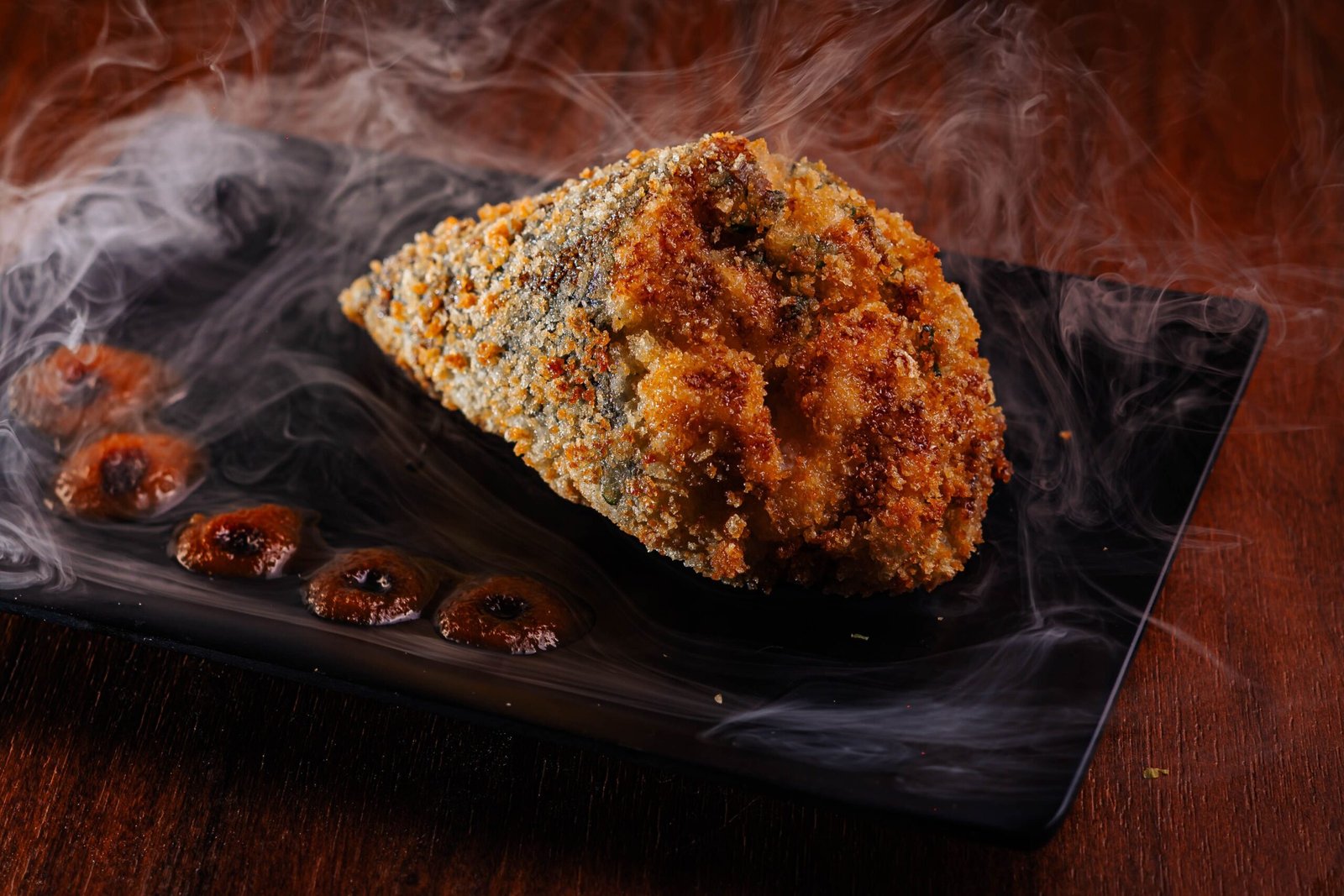
Searching for “haggis near me” usually means you are looking for more than just a quick meal. You may want to experience one of Scotland’s best-known traditional foods, discover a Scottish restaurant in your area, or simply try haggis for the first time. Haggis has a distinctive savory character and is traditionally associated with neeps and tatties, the Scottish terms for turnips or swede and potatoes. Modern restaurants may serve it in several different ways, including the classic combination, haggis bonbons, Scotch eggs, burgers, breakfast dishes, and contemporary plates. Current guides to Edinburgh and Glasgow show how widely the dish can vary from traditional pub-style presentations to more creative restaurant interpretations.
When you search for haggis near me, however, choosing the first restaurant that appears may not always give you the experience you want. A good haggis meal depends on the quality of the product, how it is seasoned and cooked, the accompanying ingredients, and the restaurant’s overall approach to Scottish cuisine. Some diners want a hearty traditional serving of haggis with neeps and tatties, while others prefer a modern interpretation that uses haggis as part of a larger dish. Whether you are a Scottish-food enthusiast, a traveler exploring local cuisine, or someone who has never tasted haggis before, knowing what to look for can make your search considerably easier.
What Is Haggis?
Haggis is a traditional Scottish dish with a long culinary history and a distinctive identity within Scottish cuisine. It is traditionally made using sheep’s offal combined with oatmeal, onions, seasonings, and other ingredients, producing a rich, savory dish with a crumbly yet substantial texture. Although descriptions of haggis can initially make the dish sound unusual to someone unfamiliar with it, the flavor is generally more approachable than many first-time diners expect. Restaurants often season haggis with pepper and herbs and serve it with creamy potatoes and mashed turnip or swede, creating a comforting combination of savory, earthy, sweet, and creamy flavors. Modern Scottish restaurants have also found creative ways to present haggis, demonstrating that the dish can work equally well in traditional and contemporary cooking.
For someone searching “haggis near me,” understanding what authentic haggis should look and taste like is useful because restaurants can prepare it in very different styles. A traditional plate may feature a generous portion of haggis accompanied by neeps and tatties and sometimes a whisky-based sauce, while a contemporary restaurant might use haggis in a starter, Scotch egg, burger, pie, or another inventive dish. Current restaurant guides specifically highlight variations such as haggis bonbons, haggis Scotch eggs, haggis burgers, and haggis-based breakfast dishes.
How to Find the Best Haggis Near Me
The easiest way to find the best haggis near me is to look beyond the restaurant’s name and examine what it actually offers. Start by searching for restaurants specializing in Scottish, British, or traditional cuisine and then check their current menu for haggis. A restaurant may mention Scottish food in its description without serving haggis regularly, while another restaurant may offer a dedicated haggis dish but change its menu seasonally. Checking the latest menu, customer reviews, photographs, opening hours, and restaurant information can help you avoid making a trip only to discover that haggis is unavailable that day. This is particularly important because menus can change according to season, availability, and special events.
You should also consider what kind of haggis experience you want. If you are trying the dish for the first time, a classic haggis, neeps and tatties plate can be one of the best ways to understand its traditional flavor profile. If you already enjoy haggis, you might prefer a restaurant that offers creative variations such as haggis bonbons, haggis Scotch eggs, haggis burgers, or other contemporary dishes. Edinburgh food guides currently highlight restaurants offering both classic servings and creative interpretations, illustrating why searching specifically for the style you want can be more useful than simply choosing the closest result.
Haggis and Neeps Near Me: What Should You Expect?
If your search is specifically “haggis and neeps near me,” you are probably looking for one of the most recognizable ways to enjoy traditional Scottish haggis. Neeps generally refer to mashed turnip or swede, while tatties are potatoes, and the combination provides a natural contrast to the rich, savory flavor of haggis. The creamy potatoes provide mildness, the neeps bring a slightly sweet and earthy character, and the haggis supplies the main savory and peppery element. Some restaurants also serve the dish with gravy or whisky sauce, adding another layer of richness. Guides to Scottish restaurants regularly identify haggis, neeps and tatties as a classic combination.
When comparing restaurants, pay attention to whether the dish is described as traditional, homemade, locally produced, or chef-prepared. These descriptions can help you understand the restaurant’s approach, although they should not be treated as a guarantee of quality. Customer reviews can also be useful when they specifically discuss the haggis rather than simply rating the restaurant overall. Look for comments about flavor, texture, portion size, presentation, accompaniments, and whether the dish lived up to expectations. A restaurant with a strong reputation for Scottish food may be a better choice than a general restaurant that happens to have haggis on its menu.
Traditional Haggis Near Me vs. Modern Haggis Dishes
One of the most interesting parts of searching for traditional haggis near me is discovering how differently restaurants interpret the same Scottish ingredient. A traditional preparation focuses on the natural savory character of the haggis and commonly pairs it with neeps and tatties. This is ideal for diners who want to experience the dish in a form closely associated with Scottish culinary traditions. On the other hand, contemporary chefs may incorporate haggis into appetizers, burgers, eggs, pies, or other dishes. These modern preparations can be particularly appealing to people who are curious about haggis but would rather begin with a smaller or more familiar presentation.
There is no single correct way to enjoy haggis. Someone visiting Scotland for the first time may prefer the classic combination because it gives them a clear introduction to the traditional dish, while an experienced diner might enjoy a restaurant’s more inventive version. Current Edinburgh recommendations include establishments offering everything from straightforward haggis with neeps and tatties to haggis Scotch eggs, haggis bonbons, haggis towers, and other creative variations.
What Makes a Good Haggis Restaurant?
A good haggis restaurant near me should ideally understand the dish rather than simply adding it to a menu as a novelty. The quality of the haggis itself matters, but so do seasoning, texture, cooking technique, portion size, and accompaniments. A well-prepared plate should have a satisfying savory flavor without being overwhelmed by excessive seasoning. The neeps and tatties should complement rather than compete with the haggis, while sauces should enhance the dish without hiding its character.
The overall restaurant experience matters as well. If you are specifically seeking Scottish cuisine, look for a restaurant that offers other traditional Scottish dishes or demonstrates an interest in Scottish ingredients. This can make your meal feel more authentic and give you the opportunity to explore beyond haggis. A Scottish meal might include other classic foods and desserts, allowing you to turn a simple search for “haggis near me” into a broader culinary experience.
Haggis Near Me for First-Time Diners
If you have never eaten haggis before, don’t feel that you need to order the largest or most elaborate version immediately. A traditional restaurant may be able to explain how its haggis is prepared and what comes with it, which can make the experience more comfortable. You can also look for smaller portions, starters, or modern preparations if you want to taste haggis without committing to a full traditional plate. Haggis bonbons, Scotch eggs, and other small dishes can provide an approachable introduction, and several current Scottish restaurant guides mention these kinds of variations.
It is also worth remembering that haggis has a distinctive texture and flavor, so expectations are important. It is not simply another type of minced meat. The oatmeal, seasonings, and traditional ingredients contribute to its characteristic texture and earthy, savory profile. Pairing it with potatoes and neeps can make the meal more balanced and approachable. If you enjoy hearty comfort food and traditional British or Scottish cuisine, haggis can be an especially interesting dish to try.
Best Time to Search for Haggis Near Me
Although you can find haggis throughout the year in restaurants that specialize in Scottish food, demand can increase around Burns Night, which is celebrated on January 25. Burns Night is strongly associated with Scottish food, poetry, music, and the traditional serving of haggis, so restaurants may create special menus or events around this occasion. Current Edinburgh food guides specifically identify Burns Night as a peak occasion for haggis dining.
If you are planning to visit a restaurant during a popular Scottish-food event, checking the menu and booking arrangements ahead of time is sensible. However, you do not need to wait for a special celebration to enjoy haggis. Scottish pubs, restaurants, and food establishments can feature it as a regular menu item, while some places offer it seasonally. Always check current restaurant information before traveling.
How to Choose Haggis Near Me for a Great Meal
When choosing between several results for haggis near me, compare restaurants according to the experience you actually want. Consider whether you want a casual Scottish pub, a traditional restaurant, a modern gastropub, or an upscale dining room. Check whether the restaurant currently lists haggis on its menu, whether it offers vegetarian haggis if needed, and whether the dish is served traditionally or creatively. It is also useful to check recent reviews because a restaurant’s menu and preparation can change over time.
Location is another important factor, but the closest restaurant is not automatically the best. If you are willing to travel a little farther, you may discover a restaurant with a stronger Scottish-food reputation or a more interesting interpretation of haggis. For example, recent guides to Edinburgh highlight multiple neighborhoods and styles of haggis dining, while Glasgow listings show numerous restaurants serving haggis with neeps and tatties. The goal should therefore be to find the best combination of quality, authenticity, convenience, menu choice, and overall dining experience rather than simply choosing the nearest location.
Vegetarian Haggis Near Me
People searching for vegetarian haggis near me may be surprised by how widely meat-free versions are available in Scottish restaurants. Vegetarian haggis uses plant-based ingredients to recreate some of the hearty texture and savory character associated with traditional haggis. It can be served with the same classic accompaniments, including neeps and tatties, making it possible to experience the traditional presentation without choosing the meat-based version. Current guides to haggis restaurants note that vegetarian alternatives are available at many establishments.
If vegetarian haggis is important to you, always check the restaurant’s current menu or contact the restaurant before visiting. Availability can vary, and some locations may offer vegetarian haggis only on certain days or as part of particular dishes. Asking about ingredients and preparation is especially helpful if you have dietary restrictions or allergies.
Why People Search for “Haggis Near Me”
The phrase “haggis near me” has strong local search intent because people using it generally want a place they can visit rather than a general history of the dish. They may be hungry, planning a trip, looking for Scottish cuisine, or searching for something unusual to try locally. This makes local information particularly important when creating useful content around the keyword. A strong guide should answer practical questions such as what haggis is, where to find it, how it is traditionally served, what alternatives exist, and how to decide which restaurant is worth visiting.
The search also reflects the growing interest in regional and traditional foods. Diners increasingly look for distinctive dishes rather than generic restaurant meals, and haggis offers a direct connection to Scottish culinary culture. Whether served traditionally with neeps and tatties or transformed into a modern restaurant dish, haggis gives diners an opportunity to experience something strongly associated with Scotland.
Conclusion
Finding the best haggis near me is easier when you know what you are looking for. Start by identifying restaurants that specialize in Scottish or British cuisine, check their current menus, read recent customer feedback, and decide whether you prefer traditional haggis with neeps and tatties or a modern interpretation. A good restaurant should offer a well-prepared dish in which the rich savory flavor of haggis works naturally with its accompaniments rather than being hidden by excessive sauces or unnecessary additions.
Whether you are searching for traditional haggis near me, haggis and neeps near me, the best haggis restaurant near me, or Scottish food near me, the most important thing is to choose a restaurant that matches your preferred dining style. Haggis can be a hearty traditional meal, a creative modern dish, or an exciting introduction to Scottish cuisine. With a little menu research and attention to recent restaurant information, your local search can lead to a memorable Scottish food experience.
Frequently Asked Questions About Haggis Near Me
What is haggis?
Haggis is a traditional Scottish dish traditionally prepared using sheep’s offal, oatmeal, onions, and seasonings. It has a rich savory flavor and is commonly served with neeps and tatties.
Where can I find haggis near me?
Search for Scottish restaurants, British restaurants, traditional pubs, and restaurants specifically mentioning haggis on their current menus. Because menu availability changes, it is best to verify that haggis is currently being served before visiting.
What is haggis usually served with?
Traditional haggis is commonly served with neeps and tatties, meaning mashed turnip or swede and mashed potatoes. Some restaurants also serve it with gravy or whisky-based sauce.
Is haggis spicy?
Haggis is generally savory and peppery rather than extremely hot or chili-spicy. The exact flavor depends on the recipe, seasoning, and restaurant preparation.
Is vegetarian haggis available near me?
Many Scottish restaurants offer vegetarian haggis, although availability varies. Current Scottish restaurant guides list vegetarian alternatives at a number of establishments.
What should I order if I have never tried haggis?
A classic serving of haggis with neeps and tatties is a good introduction because it lets you experience the traditional combination. If you prefer something smaller, consider a restaurant offering haggis bonbons, a Scotch egg, or another appetizer-style preparation.
Is haggis only eaten in Scotland?
No. Although haggis is strongly associated with Scotland, Scottish restaurants and chefs outside Scotland also serve it. The dish is particularly prominent around Burns Night, but it can be available throughout the year.
When is the best time to eat haggis?
Haggis can be enjoyed year-round, but Burns Night on January 25 is one of the most prominent occasions associated with traditional haggis meals. Restaurants may offer special menus or events around that date.
How do I find the best haggis restaurant near me?
Compare current menus, recent reviews, restaurant specialties, preparation styles, prices, and location. If authenticity is your priority, look for restaurants with a clear focus on Scottish cuisine rather than choosing solely based on distance.
Can haggis be served in modern dishes?
Yes. Modern restaurants may serve haggis in dishes such as Scotch eggs, bonbons, burgers, breakfast plates, pies, and other creative preparations. This makes it possible to experience haggis in ways beyond the traditional haggis, neeps and tatties combination.
Food
25 Best Leftover Pork Recipes: Easy Meals That Turn Yesterday’s Roast into Today’s Favorite Dinner


The Taste of Home subscription is one of the most popular choices for people who enjoy cooking, baking, and discovering practical kitchen ideas. For decades, Taste of Home has built a reputation for publishing trusted recipes contributed by real home cooks, making it different from many celebrity-chef magazines. Whether you are an experienced cook or someone just beginning your culinary journey, a Taste of Home subscription offers valuable inspiration, seasonal recipes, cooking techniques, entertaining ideas, and helpful kitchen tips that can improve your everyday meals. Subscribers receive professionally curated content featuring easy-to-follow recipes, nutritional advice, holiday cooking ideas, and product recommendations that simplify meal preparation. Because the publication focuses on practical home cooking rather than complicated restaurant-style dishes, it appeals to families, busy professionals, retirees, and anyone who loves preparing delicious homemade food. This guide explores everything you need to know about a Taste of Home subscription, including its benefits, pricing, subscription options, renewal process, cancellation policy, and reasons why millions of readers continue to enjoy it year after year.
What Is a Taste of Home Subscription?
A Taste of Home subscription provides regular access to one of America’s best-known cooking magazines. Each issue contains hundreds of recipes that have been tested and submitted by real home cooks across the country. Unlike many food publications that focus primarily on gourmet cuisine, Taste of Home emphasizes practical meals that families can prepare using readily available ingredients. Every edition features seasonal recipes, holiday menus, desserts, appetizers, slow cooker meals, air fryer recipes, grilling ideas, healthy dishes, and meal planning advice. Readers also enjoy articles about kitchen organization, food preservation, cooking shortcuts, ingredient substitutions, and entertaining guests. The publication continually evolves to include modern cooking trends while maintaining the comforting recipes that have made it popular for generations.
Benefits of a Taste of Home Subscription
One of the biggest advantages of a Taste of Home subscription is the incredible variety of recipes included in every issue. Readers gain access to recipes suitable for beginners and experienced cooks alike, covering breakfast, lunch, dinner, desserts, snacks, beverages, and special occasions. The recipes include detailed instructions, preparation times, serving sizes, nutritional information, and helpful cooking tips that reduce the likelihood of mistakes. Another major benefit is the focus on budget-friendly cooking, allowing families to prepare delicious meals without spending excessively on expensive ingredients. Subscribers also receive seasonal recipe collections, holiday entertaining guides, decorating ideas, and recommendations for useful kitchen tools. Many readers appreciate the community aspect of the magazine because recipes are submitted by home cooks who have personally tested them in real kitchens, making them reliable and practical for everyday use.
Types of Taste of Home Subscription Plans
Taste of Home offers multiple subscription options designed to suit different readers. Many people choose the traditional print magazine, enjoying the experience of flipping through colorful pages filled with photographs and cooking inspiration. Others prefer digital subscriptions that provide convenient access through smartphones, tablets, or computers. Gift subscriptions remain popular during birthdays, holidays, Mother’s Day, weddings, anniversaries, and other special occasions because they provide lasting value throughout the year. Depending on the publisher’s current offerings, some subscription packages may include access to exclusive online recipes, newsletters, bonus publications, or special editions focused on baking, grilling, slow cooking, or healthy eating. These flexible options allow readers to choose the format that best matches their lifestyle and reading preferences.
What You Can Expect in Every Issue
Every Taste of Home magazine is packed with practical content that extends beyond simple recipes. Readers discover detailed cooking tutorials, ingredient guides, seasonal meal planners, entertaining advice, holiday preparation tips, kitchen product recommendations, reader success stories, and creative serving ideas. The magazine regularly highlights recipes for Thanksgiving, Christmas, Easter, Halloween, summer barbecues, family reunions, birthdays, and other celebrations. Special sections often introduce readers to regional American cuisine, international flavors adapted for home kitchens, and healthier versions of classic comfort foods. High-quality photography accompanies nearly every recipe, helping readers visualize the finished dishes before they begin cooking.
Is a Taste of Home Subscription Worth It?
Many people wonder whether purchasing a Taste of Home subscription is worthwhile when countless recipes are available online. While free recipe websites certainly provide value, a subscription offers carefully curated, professionally edited, and thoroughly tested recipes presented in an organized format that is easy to browse. Instead of sorting through thousands of internet search results with varying levels of quality, subscribers receive trusted recipes selected by experienced editors. The magazine also includes expert cooking advice, entertaining features, and seasonal planning that many free websites do not provide in a cohesive package. For individuals who enjoy collecting recipes, building meal plans, or discovering fresh cooking ideas every month, a Taste of Home subscription represents excellent value.
How to Subscribe
Starting a Taste of Home subscription is generally straightforward. Prospective subscribers can visit the official website, select their preferred subscription plan, enter their contact and payment information, and complete the purchase in just a few minutes. New subscribers may occasionally find promotional discounts, introductory pricing, bundled magazine offers, or gift subscription packages. Existing readers can also renew their subscriptions before expiration to continue receiving uninterrupted issues.
Managing Your Subscription
Subscribers can usually manage their accounts online by updating mailing addresses, changing payment information, renewing subscriptions, checking delivery status, and reviewing billing history. Customer service is available to assist with delivery problems, missed issues, damaged magazines, renewal questions, or account changes. Managing subscriptions online provides convenience and helps ensure uninterrupted delivery throughout the subscription period.
Tips for Getting the Most Value from Your Subscription
To maximize the value of a Taste of Home subscription, readers should bookmark favorite recipes, organize meal plans around seasonal ingredients, save holiday editions for future celebrations, and experiment with new cooking techniques introduced in each issue. Many subscribers create personal recipe collections by filing favorite magazine pages into binders or digital archives. Preparing weekly grocery lists using magazine recipes can also reduce food waste and simplify meal planning. Exploring different recipe categories encourages families to diversify their diets while discovering new favorite meals.
Taste of Home Subscription vs Free Recipe Websites
Although free recipe websites provide unlimited recipe choices, they often vary significantly in quality, accuracy, and reliability. Taste of Home distinguishes itself by publishing recipes that undergo editorial review and testing before appearing in print. Readers receive professionally organized content free from excessive distractions, making the cooking experience more enjoyable. The magazine also delivers themed issues that encourage seasonal cooking, family traditions, and holiday celebrations in ways that random online searches cannot easily replicate. Many readers find that combining a Taste of Home subscription with occasional online recipe searches creates the ideal balance between trusted guidance and endless variety.
Conclusion
A Taste of Home subscription remains an outstanding resource for anyone who enjoys preparing delicious homemade meals with confidence. Its combination of trusted recipes, beautiful photography, practical cooking advice, seasonal inspiration, and family-friendly content has earned the loyalty of readers for many years. Whether you choose a print edition, digital access, or a gift subscription for someone special, the publication offers lasting value by making everyday cooking easier, more enjoyable, and more creative. If you are looking for dependable recipes and practical kitchen inspiration from real home cooks, a Taste of Home subscription is a worthwhile investment that can enrich your culinary experience throughout the year.
Frequently Asked Questions (FAQs)
1. What is a Taste of Home subscription?
A Taste of Home subscription provides regular access to the Taste of Home magazine, featuring recipes, cooking tips, meal planning ideas, baking guides, and seasonal food inspiration.
2. Is Taste of Home available in print and digital formats?
Yes. Depending on the available plans, readers can choose print, digital, or combination subscription options.
3. Can I buy a Taste of Home subscription as a gift?
Yes. Gift subscriptions are available and are popular for birthdays, holidays, weddings, anniversaries, and other special occasions.
4. How do I renew my Taste of Home subscription?
Subscribers can typically renew online through their account or by following the renewal instructions included with their subscription.
5. Can I cancel my Taste of Home subscription?
Yes. Cancellation policies vary depending on where you purchased the subscription, so review the terms provided by the seller or publisher.
6. Does the magazine include recipes for beginners?
Absolutely. Taste of Home is well known for publishing easy-to-follow recipes suitable for both beginners and experienced cooks.
7. Is a Taste of Home subscription worth the money?
For readers who enjoy reliable recipes, seasonal meal ideas, and professionally curated cooking content, many consider it an excellent value.
8. What kinds of recipes are included?
Subscribers can expect recipes for breakfasts, lunches, dinners, desserts, appetizers, holiday meals, healthy dishes, slow cooker recipes, air fryer meals, baking, grilling, and much more.

Domino’s Extravaganza: Complete Guide to the Popular Loaded Pizza

KT Tape Shoulder Rotator Cuff: How to Tape for Support and Pain Relief

Elle Brooke Dredd: Who Are They and What Does the Search Term Mean?

Katie Holmes and Joshua Jackson: Their Hollywood Journey, Connection, and Career Highlights

Pedro Vaz Paulo: Leadership, Business Strategy, and Professional Excellence

Belgium De Bruyne: Career, Achievements, Playing Style and Football Legacy
 Celebrity3 months ago
Katie Holmes and Joshua Jackson: Their Hollywood Journey, Connection, and Career Highlights
- Business3 months ago
Pedro Vaz Paulo: Leadership, Business Strategy, and Professional Excellence
- Celebrity3 months ago
Belgium De Bruyne: Career, Achievements, Playing Style and Football Legacy
- News3 months ago
Sea Isle News: Latest Local Updates, Events, Weather, and Community Stories
- Tech3 months ago
MindArk Entropia: The Complete Guide to the World’s Most Unique Virtual Economy
- Tech3 months ago
Mazda CX-5 2025: Complete Review, Specs, Features, Price, Performance, and Buying Guide
- Business2 months ago
Sportsman’s Warehouse Store Closures: Everything You Need to Know About Store Shutdowns, Business Strategy, and Future Growth
- Entertainment3 months ago
Brewzle: The Complete Guide to Everything You Need to Know