Connect with us

Blog

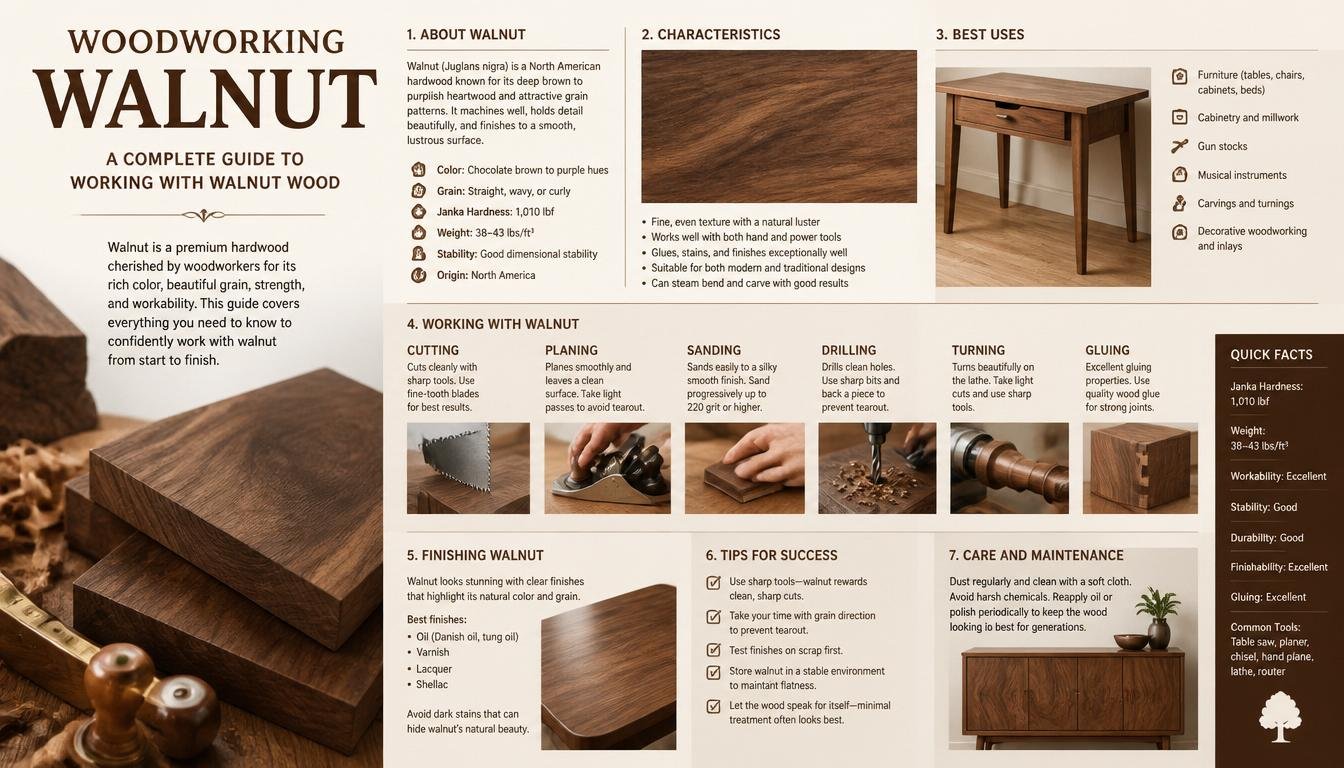
Woodworking Walnut: A Complete Guide to Working with Walnut Wood

Published

on

woodworking walnut

Woodworking walnut is one of the most rewarding areas of fine woodworking because walnut combines beauty, strength, and workability in a way that few hardwoods can match. Whether you are building elegant furniture, handcrafted cabinets, decorative shelves, cutting boards, or custom home décor, walnut offers a timeless appearance that enhances almost every project. Its rich chocolate-brown color, attractive grain patterns, and excellent machining qualities make it a favorite among hobbyists, furniture makers, and professional woodworkers alike.

Unlike many hardwoods that require extensive preparation before they reveal their natural beauty, walnut often looks stunning with only a clear finish. It cuts cleanly, shapes well on routers and lathes, sands smoothly, and accepts a wide variety of finishes that highlight its distinctive grain. These characteristics make walnut suitable for everything from beginner projects to highly detailed heirloom furniture. Understanding how walnut behaves during cutting, joining, sanding, and finishing helps you achieve better results while reducing waste and avoiding common mistakes. This guide explores everything you need to know about woodworking with walnut, from selecting quality lumber to maintaining finished pieces for years to come.

What Is Walnut Wood?

Walnut wood comes primarily from the black walnut tree, a hardwood species valued for centuries in fine furniture making. Black walnut is known for its exceptional strength, dimensional stability, and luxurious appearance. The heartwood ranges from light brown to deep chocolate with occasional purple or gray undertones, while the sapwood is much lighter, creating attractive natural contrasts in some projects.

One of walnut’s most appealing qualities is its unique grain. Depending on how the lumber is cut, walnut may display straight, curly, wavy, or figured grain patterns that give each board a distinct personality. Because every piece of walnut differs slightly in color and texture, finished furniture often has a custom, handcrafted appearance that cannot be replicated by manufactured materials.

Why Woodworkers Love Walnut

Walnut has earned its reputation as one of the finest hardwoods available because it offers an excellent balance between beauty and practicality. It is strong enough for structural furniture yet soft enough to machine comfortably using standard woodworking tools. Walnut produces crisp edges during routing, responds well to carving, and turns beautifully on a lathe, making it suitable for decorative bowls, handles, pens, and artistic projects.

Another advantage is its natural dimensional stability. Compared with many hardwood species, walnut experiences relatively little movement from seasonal humidity changes when properly dried, making it an excellent choice for furniture that must maintain tight joints and flat surfaces over time. The wood also finishes exceptionally well, allowing oils, varnishes, waxes, and polyurethane coatings to enhance its natural richness rather than conceal it.

Characteristics of Walnut Wood

Walnut is a dense hardwood that provides an ideal combination of durability and workability. Its moderate hardness makes it resistant to dents and everyday wear while remaining easier to cut than many other premium hardwoods. This balance allows woodworkers to create detailed joinery with less effort while still producing durable finished products.

The grain is generally straight but can occasionally become curly or irregular, adding visual interest to finished pieces. Walnut sands to a smooth surface with relatively little effort, and because it naturally possesses rich color, many craftsmen avoid stains altogether and instead apply clear protective finishes that emphasize its authentic appearance.

Best Woodworking Projects Using Walnut

Walnut is versatile enough for countless woodworking applications. Dining tables showcase its broad grain patterns and luxurious color, making them popular centerpiece projects. Cabinets made from walnut bring warmth and elegance to kitchens, offices, and living rooms while maintaining long-term durability. Floating shelves, bookcases, desks, entertainment centers, and coffee tables all benefit from walnut’s combination of beauty and strength.

Smaller projects are equally popular because walnut is easy to shape into cutting boards, serving trays, jewelry boxes, knife handles, wooden pens, picture frames, and decorative bowls. These projects allow woodworkers to maximize the value of smaller offcuts while producing attractive handmade gifts or products for sale.

Essential Tools for Woodworking Walnut

Working with walnut does not require specialized equipment, but sharp, well-maintained tools produce the best results. A quality table saw provides clean, accurate cuts, while a miter saw handles crosscuts efficiently. Routers allow decorative edge profiles and joinery, and chisels help refine joints with precision. Random orbital sanders simplify surface preparation, and clamps ensure strong glue joints during assembly.

Because walnut is a premium hardwood, investing time in blade maintenance is worthwhile. Sharp carbide blades reduce tear-out and produce smoother cuts, minimizing sanding time and preserving valuable material.

Cutting and Milling Walnut

Successful woodworking begins with careful preparation. Before making cuts, inspect each board for grain direction, knots, and color variations. Planning your layout helps showcase attractive grain while reducing waste. Cutting with the grain whenever possible minimizes tear-out and produces cleaner surfaces.

When milling rough walnut lumber, remove material gradually rather than taking aggressive cuts. This approach reduces stress on tools and improves surface quality. Consistent feed rates through planers and jointers also help maintain smooth, even boards ready for assembly.

Sanding Walnut Properly

Proper sanding is essential for highlighting walnut’s natural beauty. Begin with a coarser grit only if necessary to remove milling marks, then progress through increasingly finer grits until the surface feels uniformly smooth. Removing dust between sanding stages prevents scratches and improves finish quality.

Avoid over-sanding, which can burnish the surface and reduce finish penetration. A carefully sanded walnut board displays exceptional depth and clarity once a protective finish is applied.

Best Finishes for Walnut

Walnut often requires very little enhancement because of its naturally rich color. Clear oils such as tung oil or Danish oil penetrate the wood and emphasize grain depth while preserving a natural appearance. Polyurethane provides excellent durability for tabletops and frequently used furniture, while hard wax oils combine protection with a low-sheen finish appreciated by many furniture makers.

Applying several thin coats instead of one thick coat produces smoother results and improves durability. Light sanding between coats helps create a professional-quality finish.

Common Mistakes to Avoid

Many beginners mistakenly apply dark stains that hide walnut’s natural beauty rather than enhance it. Others rush the sanding process or neglect to remove dust before finishing, resulting in rough surfaces or uneven sheen. Using dull cutting tools can also cause tear-out, especially around figured grain.

Allowing adequate time for glue curing, finish drying, and proper acclimation of lumber before construction helps prevent many common woodworking problems.

Caring for Walnut Furniture

Walnut furniture can remain beautiful for generations with proper care. Dust surfaces regularly using a soft cloth and avoid prolonged exposure to direct sunlight, which may gradually alter the wood’s color. Clean spills promptly to prevent moisture damage and use protective pads beneath hot dishes or heavy decorative items.

Periodic maintenance with manufacturer-recommended wood care products helps preserve the finish and keeps walnut looking rich and vibrant over time.

Benefits of Choosing Walnut

Choosing walnut offers both aesthetic and practical advantages. Its timeless appearance complements traditional, rustic, transitional, and modern interiors alike. The wood is durable enough for everyday furniture while remaining pleasant to machine and finish. Because walnut furniture is widely appreciated for its craftsmanship and longevity, well-made pieces often retain their value for many years. For woodworkers who appreciate both performance and beauty, walnut remains one of the most rewarding hardwoods available.

Conclusion

Woodworking walnut combines craftsmanship with one of nature’s most attractive hardwoods. From elegant dining tables and custom cabinetry to decorative bowls and cutting boards, walnut provides outstanding versatility for projects of every size. Its rich natural color, stable structure, and excellent machining characteristics allow both beginners and experienced woodworkers to produce durable, visually striking results. By selecting quality lumber, using sharp tools, sanding carefully, and applying an appropriate finish, you can create walnut projects that remain beautiful for decades. Whether your goal is to build heirloom furniture or simply enjoy woodworking as a hobby, walnut is a material that consistently rewards patience, skill, and attention to detail.

Frequently Asked Questions (FAQ)

What makes walnut wood popular for woodworking?

Walnut is valued for its rich natural color, attractive grain, strength, stability, and ease of machining. It produces elegant furniture and decorative projects with minimal staining.

Is walnut wood good for beginners?

Yes. Although it is a premium hardwood, walnut is generally easy to cut, shape, sand, and finish, making it approachable for beginners with proper tools and safety practices.

Does walnut wood need to be stained?

Usually not. Most woodworkers prefer clear finishes that highlight walnut’s natural chocolate-brown color and distinctive grain.

What projects are best for walnut?

Popular projects include dining tables, desks, cabinets, bookshelves, floating shelves, cutting boards, serving trays, jewelry boxes, bowls, and decorative home décor.

What finish looks best on walnut?

Clear oil finishes, hard wax oils, and polyurethane are all popular choices. The best option depends on whether you prioritize a natural look, maximum durability, or ease of maintenance.

Is walnut stronger than oak?

Walnut and oak are both durable hardwoods, but they differ in hardness and appearance. Oak is generally harder, while walnut is prized for its workability, stability, and darker, more refined appearance.

How do you keep walnut furniture looking new?

Dust regularly with a soft cloth, avoid prolonged direct sunlight, clean spills promptly, and maintain the finish according to the product manufacturer’s recommendations.

Continue Reading

Blog

Jenna Ortega: Biography, Career, Wednesday, Movies and TV Shows

Published

on

Jenna Ortega

Jenna Ortega has become one of the most recognizable young actors of her generation, with her breakthrough performance as Wednesday Addams turning her into an international star. Her career, however, began well before Wednesday, with years of television and film work that established her as a versatile performer capable of moving between comedy, drama, horror, and mystery. Netflix identifies Ortega as the star of Wednesday, where she plays the iconic Wednesday Addams, while its behind-the-scenes coverage also highlights her expanded involvement as a producer on the second season.

Jenna Ortega’s Rise to Fame

Jenna Ortega built her acting career gradually rather than becoming famous overnight. Before Wednesday, she appeared in television productions and films that gave her experience across different genres and helped establish her reputation as a young performer. Her role in You and appearances in horror films including Scream, Scream VI, and X helped audiences recognize her ability to handle darker and more intense material. Netflix’s cast guide for Wednesday also lists her work in The Babysitter: Killer Queen and Beetlejuice Beetlejuice among her notable screen credits.

Her breakthrough arrived with Netflix’s Wednesday, a supernatural mystery series centered on Wednesday Addams and her experiences at Nevermore Academy. Ortega’s interpretation combined the character’s recognizable deadpan personality with a more developed emotional and dramatic dimension. Netflix describes the series as following Wednesday as she investigates mysteries while navigating friendships and conflicts at the unusual school.

Jenna Ortega as Wednesday Addams

The role of Wednesday Addams became the defining part of Ortega’s career. The character had already been portrayed in numerous versions of the Addams Family franchise, but the Netflix series gave Wednesday a much larger role as the central protagonist. According to Netflix’s behind-the-scenes coverage, Ortega had been familiar with comparisons between herself and Wednesday because of her dry sense of humor and personality, making the role particularly interesting for her.

What makes Ortega’s performance notable is the way she balances Wednesday’s distinctive humor with the character’s vulnerability and determination. Rather than treating Wednesday simply as a collection of sarcastic one-liners, the series explores her relationships, psychic abilities, investigations, family connections, and difficulties understanding emotions. Netflix’s coverage describes this version of Wednesday as an intelligent young detective dealing with supernatural mysteries while developing relationships with the people around her.

Wednesday on Netflix

Wednesday premiered as a supernatural mystery series featuring Ortega in the title role. The story follows Wednesday after she is sent to Nevermore Academy, a school connected to her parents and populated by students with unusual supernatural abilities. There she becomes involved in a series of mysteries and attempts to uncover the truth behind strange events surrounding the school and its community.

The show’s combination of gothic visuals, dark comedy, mystery, fantasy, and teenage drama helped establish a distinctive identity. Netflix currently lists two seasons of Wednesday, with Season 2 expanding the story and giving Ortega an additional role behind the camera as a producer. Netflix’s official coverage states that all eight episodes of Season 2 are streaming and describes the second chapter as a darker continuation involving new mysteries, family relationships, friends, and old adversaries.

Jenna Ortega’s Work Beyond Wednesday

Although Wednesday is Ortega’s most widely recognized role, her career includes considerably more than the Netflix series. Her filmography includes projects from several genres, particularly horror. Her appearances in Scream, Scream VI, X, and Beetlejuice Beetlejuice demonstrate her connection to contemporary horror cinema, while her earlier television work shows the range of her career before she became internationally associated with Wednesday Addams.

This variety is important when considering Jenna Ortega’s career because her success has not depended on a single type of performance. She has worked in television, feature films, comedy, drama, horror, fantasy, and mystery. Her growing involvement in production also indicates an interest in the creative process beyond simply performing in front of the camera.

Jenna Ortega and the Future of Wednesday

The success of Wednesday has made Ortega closely associated with the character, but her continued career is broader than the franchise. Netflix’s current Wednesday coverage reports that Season 3 has wrapped filming, indicating that the story is continuing beyond the first two seasons.

For audiences searching for information about Jenna Ortega, it is therefore useful to look beyond individual viral searches and consider the larger trajectory of her career. Her development from a young television performer into the lead of one of Netflix’s most prominent series illustrates how long-term experience can eventually lead to a defining breakthrough role.

Why Jenna Ortega Has Become So Popular

Several factors have contributed to Jenna Ortega’s popularity. Her performance style fits characters who are independent, unconventional, and emotionally complicated, while her work across horror and mystery has helped create a recognizable screen presence. Her portrayal of Wednesday is particularly distinctive because she combines controlled physical acting, understated comedy, and dramatic intensity rather than relying exclusively on dialogue.

The popularity of Wednesday has also introduced Ortega to audiences around the world. Netflix’s official material emphasizes her central position within the show’s cast and her expanded responsibilities during Season 2. This combination of acting visibility and increasing creative involvement has made her career an interesting subject for viewers following contemporary television and film.

Conclusion

Jenna Ortega’s career is much broader than any single internet search or viral moment. From her early acting work to major roles in horror films and her internationally recognized performance as Wednesday Addams, she has developed a diverse career across television and cinema. Wednesday remains a major part of her public profile, but her film work and increasing involvement in production demonstrate that her professional trajectory extends beyond one character.

For readers interested in Jenna Ortega, the most useful approach is to explore her biography, filmography, Wednesday performance, and continuing creative work. These subjects provide a much fuller picture of the actor and explain why she has become such a prominent figure in contemporary entertainment.

Frequently Asked Questions

Who is Jenna Ortega?

Jenna Ortega is an American actor best known internationally for playing Wednesday Addams in Netflix’s Wednesday. She has also appeared in television productions and films including Scream, Scream VI, X, and Beetlejuice Beetlejuice.

What is Jenna Ortega famous for?

She is particularly famous for portraying Wednesday Addams in Netflix’s Wednesday. The role became a major breakthrough in her career and established her as one of the show’s central stars.

How many seasons of Wednesday are available?

Netflix currently lists two seasons of Wednesday, with all eight episodes of Season 2 available for streaming.

What movies has Jenna Ortega appeared in?

Her film credits include The Babysitter: Killer Queen, Scream, X, Scream VI, and Beetlejuice Beetlejuice, among other projects.

Did Jenna Ortega work as a producer on Wednesday?

Yes. Netflix’s Season 2 cast guide identifies Ortega as taking on an expanded producer role during the second season.

Where can I watch Wednesday?

Netflix’s official site currently lists Wednesday as a Netflix series starring Jenna Ortega, Gwendoline Christie, and Catherine Zeta-Jones.
Continue Reading

Blog

Ana de Armas: Biography, Movies, Career, and Rise to Hollywood Stardom

Published

on

Ana de Armas

Ana de Armas has become one of the most recognizable actresses of her generation, building an international career that stretches from Cuban cinema and Spanish television to major Hollywood productions. Born in Cuba in 1988, de Armas began studying acting as a teenager before making her feature-film debut and later moving to Spain, where she gained widespread attention through the television series El Internado. Her decision to pursue opportunities in Hollywood eventually led to roles in major productions including Blade Runner 2049, Knives Out, No Time to Die, The Gray Man, Blonde, and Ballerina. Her career is notable not simply because of the size of these productions, but because of the variety of characters she has taken on across science fiction, mystery, action, drama, and biographical filmmaking.

Who Is Ana de Armas?

Ana Celia de Armas Caso was born on April 30, 1988, in Cuba. According to biographical sources, she developed an interest in acting early and studied at Cuba’s National Theatre School as a teenager. She made her film debut in Una rosa de Francia in 2006 and subsequently appeared in additional Spanish-language productions before establishing herself in Spanish television. Her role as Carolina Leal Solís in El Internado became an important early milestone, giving her exposure to a broad television audience and helping establish the foundation for her international career.

Her move toward Hollywood represented a major transition. Rather than arriving with an established American-language career, de Armas had to adapt to a new entertainment industry and work in English. Her early English-language projects included Knock Knock, followed by appearances in Hands of Stone, War Dogs, and Overdrive. These projects gradually increased her visibility and eventually led to one of her most important career opportunities: Denis Villeneuve’s science-fiction film Blade Runner 2049.

Ana de Armas and Blade Runner 2049

Blade Runner 2049 was an important turning point in Ana de Armas’s Hollywood career. Released in 2017, the science-fiction film featured her as Joi alongside Ryan Gosling, Harrison Ford, and Jared Leto. The character required a performance that combined emotional qualities with the unusual nature of an artificial intelligence companion, giving de Armas an opportunity to demonstrate a different side of her acting abilities. The film subsequently became one of the best-known entries in her filmography.

The importance of Blade Runner 2049 to her career also came from its international visibility. Following earlier supporting roles, de Armas was now appearing in a major science-fiction production from an acclaimed filmmaker and sharing the screen with established Hollywood performers. The role helped broaden public awareness of her work and became one of the performances most frequently associated with her career.

Ana de Armas in Knives Out

Another major milestone arrived with Rian Johnson’s mystery film Knives Out in 2019. De Armas played Marta Cabrera, a caregiver whose relationship with the wealthy Thrombey family places her at the center of the film’s mystery. The ensemble included Daniel Craig, Chris Evans, Jamie Lee Curtis, Christopher Plummer, Toni Collette, and other prominent performers.

The role demonstrated de Armas’s ability to carry substantial dramatic responsibility within a large ensemble cast. Knives Out was also an important critical success; Rotten Tomatoes lists the film at 97% on its current page for the actress. De Armas received a Golden Globe nomination connected with her performance, further establishing her as an actress capable of moving beyond supporting roles into prominent leading parts.

Ana de Armas as Paloma in No Time to Die

In 2021, de Armas joined the James Bond franchise in No Time to Die, playing CIA agent Paloma opposite Daniel Craig’s James Bond. The appearance was relatively brief compared with the length of the film, but the character became one of the memorable additions to the movie. Her participation also represented another significant stage in her international career because the Bond franchise is one of the most recognizable film properties in the world.

Her role in No Time to Die also continued a pattern visible throughout her filmography: moving between genres and production styles rather than becoming associated with only one type of character. She had already appeared in science fiction and mystery films, and the Bond project added a major spy-action production to that list.

Blonde and the Role of Marilyn Monroe

One of Ana de Armas’s most demanding dramatic roles came in Blonde, Andrew Dominik’s 2022 film inspired by Joyce Carol Oates’s novel about Marilyn Monroe. De Armas portrayed Norma Jeane Mortenson, the woman who became famous as Marilyn Monroe. The role required her to portray a fictionalized interpretation of one of the most recognizable figures in twentieth-century popular culture.

The performance brought substantial attention and an Academy Award nomination, marking another major achievement in her career. It also demonstrated the range of projects de Armas was pursuing after establishing herself through mainstream productions such as Blade Runner 2049 and Knives Out. Rather than remaining within one genre, she was increasingly taking roles that demanded different approaches to character and performance.

The Gray Man and Action Roles

Ana de Armas continued exploring action filmmaking with The Gray Man, the 2022 Netflix thriller directed by Anthony and Joe Russo. She played Dani Miranda alongside Ryan Gosling and Chris Evans. The movie gave her another opportunity to participate in large-scale action sequences while working with an ensemble of internationally recognized actors.

The project was part of a broader period in which de Armas increasingly appeared in high-profile commercial productions. Her filmography by this point included mystery, science fiction, drama, biographical filmmaking, espionage, and action, illustrating the diversity of roles she had accumulated since her early career in Cuba and Spain.

Ballerina and the John Wick Universe

In 2025, Ana de Armas appeared as Eve Macarro in Ballerina, a film connected to the John Wick universe. The project represented another move into action-oriented filmmaking and expanded her association with major franchise cinema. Current filmography sources list Ballerina among her recent completed projects.

Her participation in Ballerina is significant when viewed alongside her previous action roles. From Paloma in No Time to Die to Dani Miranda in The Gray Man and Eve Macarro in Ballerina, de Armas has increasingly taken on characters positioned within physically demanding action narratives while continuing to work in dramatic and character-focused productions.

Ana de Armas Filmography

Ana de Armas’s filmography reflects a progression from Cuban and Spanish productions toward increasingly prominent international projects. Her early credits include Una rosa de Francia, Madrigal, Mentiras y gordas, Blind Alley, and For a Handful of Kisses. Her Hollywood period includes Knock Knock, Hands of Stone, War Dogs, Overdrive, Blade Runner 2049, The Informer, Knives Out, Wasp Network, Sergio, No Time to Die, Deep Water, The Gray Man, Blonde, Ghosted, Eden, and Ballerina.

This filmography shows why searches for “Ana de Armas movies” and “Ana de Armas filmography” remain closely associated with her public profile. Her career includes both commercially oriented productions and films that place greater emphasis on dramatic performance. Her work has also involved collaborations with directors and actors from different parts of the international film industry.

Why Ana de Armas Remains a Widely Searched Actress

Interest in Ana de Armas comes from several aspects of her career rather than one particular movie. She has appeared in major franchises, critically recognized ensemble films, streaming productions, action movies, science-fiction projects, and dramatic roles. Her transition from Cuban cinema to Spanish television and eventually Hollywood provides another important part of her story because it illustrates how an actor can build an international career across multiple entertainment industries.

Her most recognizable roles also span substantially different genres. Joi in Blade Runner 2049 belongs to science fiction, Marta Cabrera in Knives Out is central to a murder mystery, Paloma in No Time to Die belongs to the Bond spy tradition, Norma Jeane in Blonde is a dramatic interpretation of a famous historical figure, and Eve Macarro in Ballerina represents action-franchise filmmaking. This variety has become one of the defining characteristics of her career.

Conclusion

Ana de Armas’s career is a story of international development, professional adaptation, and increasingly prominent film roles. Beginning in Cuba and gaining wider recognition in Spain, she eventually established herself in Hollywood through projects such as Blade Runner 2049 and Knives Out. Her later appearances in No Time to Die, The Gray Man, Blonde, Ghosted, Eden, and Ballerina expanded her filmography across action, drama, mystery, science fiction, and franchise cinema.

For readers searching for information about Ana de Armas, her biography and filmography provide a much more complete picture than focusing on isolated photographs or sensationalized search terms. Her career demonstrates a progression from early acting work in Cuba and Spain to major international productions, making her film history the central story behind her continuing public interest.

Frequently Asked Questions

Who is Ana de Armas?

Ana de Armas is a Cuban-Spanish actress known for films including Blade Runner 2049, Knives Out, No Time to Die, Blonde, The Gray Man, and Ballerina.

When was Ana de Armas born?

Ana de Armas was born on April 30, 1988, in Cuba.

What was Ana de Armas’s breakthrough Hollywood role?

Her performance as Joi in Blade Runner 2049 is widely regarded as an important breakthrough in her Hollywood career, following earlier English-language roles.

What character did Ana de Armas play in Knives Out?

She played Marta Cabrera, a caregiver at the center of the mystery in Knives Out.

Who did Ana de Armas play in No Time to Die?

She portrayed Paloma, a CIA agent who assists James Bond in No Time to Die.

Did Ana de Armas receive an Oscar nomination?

Yes. Her performance in Blonde earned her an Academy Award nomination.

What is Ana de Armas’s latest major movie?

Ballerina, in which she plays Eve Macarro, was released in 2025 and is part of the John Wick universe.
Continue Reading

Blog

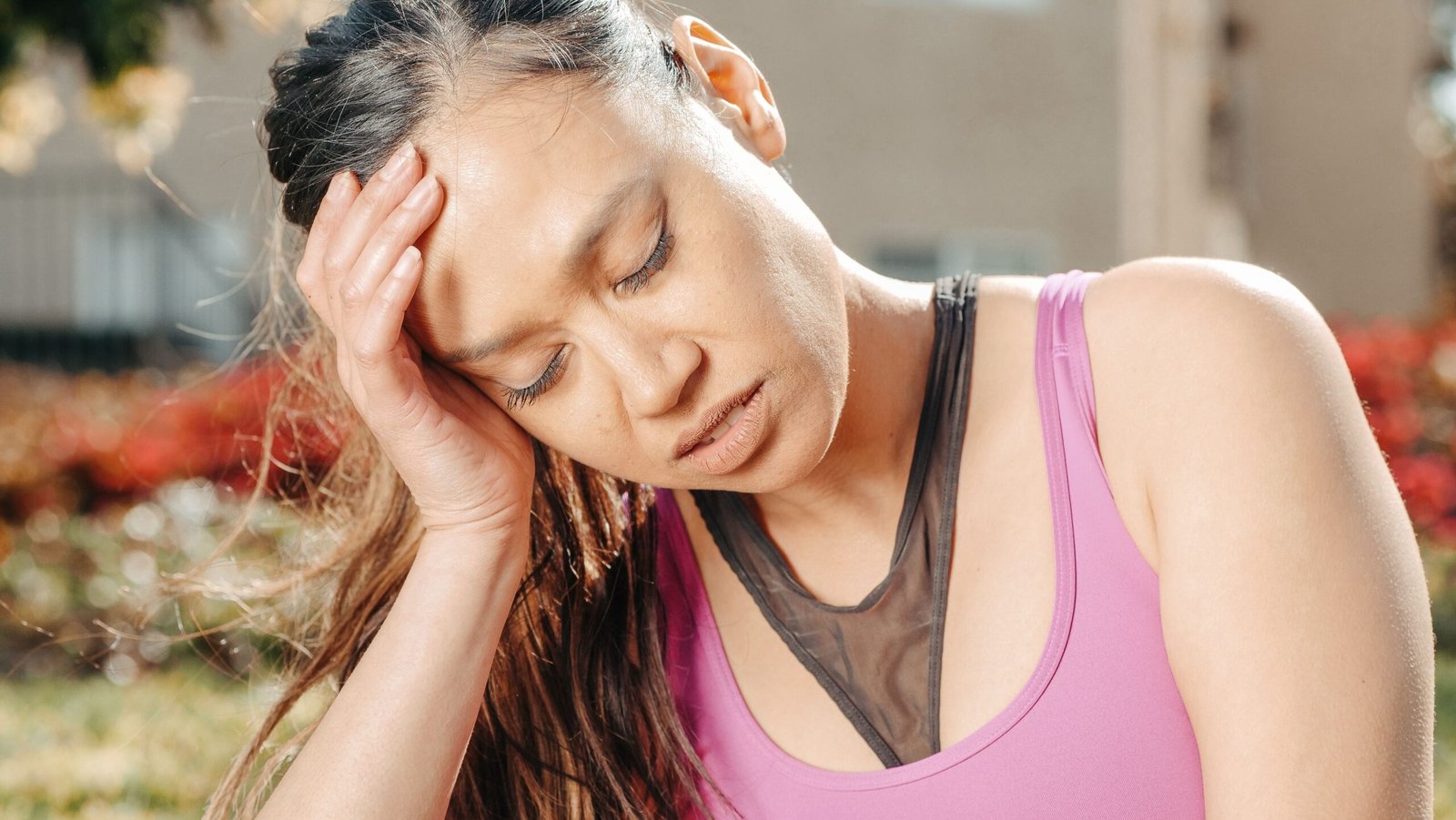
Do You Want Pain? Understanding Physical and Emotional Pain

Published

on

Do You Want Pain

The question “do you want pain?” can sound simple, but its meaning can change significantly depending on the situation in which it is used. Pain is one of the most universal human experiences, yet people do not always respond to it in the same way. Physical pain can warn us that something in the body needs attention, while emotional pain can accompany experiences such as grief, disappointment, rejection, loneliness, stress, or major life changes. In some circumstances, people may even deliberately choose difficult experiences because they believe those experiences can help them grow, accomplish a goal, build resilience, or understand themselves better. For that reason, asking whether someone “wants pain” requires context rather than a simple yes-or-no answer.

Understanding the difference between physical pain, emotional pain, chosen difficulty, and harmful suffering is important. A person might willingly accept temporary discomfort while exercising, learning a difficult skill, recovering from an injury under professional guidance, or pursuing an important personal goal. That does not necessarily mean the person wants pain itself. Often, the person wants something else and accepts discomfort as part of reaching it. At the same time, persistent or severe pain should not simply be ignored or treated as something a person has to endure. Learning to recognize the difference can help people respond to pain more thoughtfully and seek appropriate support when necessary.

What Does “Do You Want Pain?” Mean?

The phrase “do you want pain?” does not have one universal meaning. In everyday conversation, it could be a rhetorical question, a warning, a discussion about difficult experiences, or an expression of concern about someone’s behavior. Someone might say it when describing a challenging physical activity, while another person might use the phrase while discussing emotional struggles. The surrounding words and circumstances are therefore essential for understanding what the speaker actually means.

The phrase can also be interpreted as a question about human behavior. People sometimes choose activities that involve discomfort because they have a larger objective in mind. An athlete may accept strenuous training because they want to improve performance. A student may tolerate frustration because they want to master a difficult subject. Someone recovering from an injury may participate in an appropriate rehabilitation program even when some exercises are uncomfortable. In these examples, the desired outcome is generally not pain itself; the discomfort is accepted because the individual believes it is connected to another goal.

This distinction is useful because wanting an outcome that involves temporary discomfort is not necessarily the same as wanting pain. Understanding that difference prevents a potentially confusing phrase from being interpreted too literally.

Why Do People Experience Pain?

Pain is a complex experience involving the body, nervous system, brain, emotions, and environment. Physical pain can occur when the body detects actual or potential tissue damage, although the relationship between an injury and the experience of pain is not always straightforward. Two people with similar physical conditions may experience very different levels of discomfort, and factors such as stress, previous experiences, sleep, attention, and emotional state can influence how pain is perceived.

From an evolutionary perspective, pain can serve an important protective function. If touching a hot surface produces an immediate painful sensation, a person is more likely to move their hand away and avoid further injury. Similarly, pain after an injury can encourage someone to protect the affected area while it heals. Pain is therefore not simply an unpleasant sensation; it can provide information about the body and influence behavior.

However, pain is not always a reliable measure of the seriousness of a condition. Some serious problems can produce relatively little pain, while conditions that are not life-threatening can sometimes cause substantial discomfort. Persistent, unexplained, severe, or rapidly worsening pain deserves appropriate medical attention rather than being dismissed simply because pain is considered a normal part of life.

Physical Pain and Emotional Pain Are Different

Physical pain generally refers to unpleasant sensations associated with the body. It may result from injury, inflammation, illness, surgery, overuse, or many other causes. Physical pain can be short-term or persistent, localized or widespread, mild or severe. The appropriate response depends heavily on its cause, duration, severity, and accompanying symptoms.

Emotional pain, meanwhile, describes psychological distress associated with difficult experiences. Grief after losing someone, heartbreak following the end of a relationship, disappointment after failure, loneliness, fear, and prolonged stress can all produce experiences that people describe as emotional pain. Although emotional pain is different from an injury to the body, it can still feel extremely intense and can affect sleep, concentration, motivation, relationships, and daily functioning.

The two forms of pain can also interact. Someone experiencing prolonged physical pain may become frustrated, anxious, or discouraged, while someone experiencing significant emotional distress may notice changes in muscle tension, sleep, appetite, energy, or other physical sensations. Treating the person as a whole is therefore often more useful than assuming that physical and emotional experiences are completely separate.

Do People Ever Choose Pain on Purpose?

People sometimes knowingly choose experiences that involve discomfort, but the motivation is usually more complicated than simply wanting to suffer. Physical training provides an obvious example. Running a long distance, lifting weights, practicing a demanding sport, or learning a physically difficult skill can involve temporary discomfort. The person may accept that discomfort because they value fitness, achievement, competition, or personal development.

Similar patterns occur outside physical activities. Learning a new language can be frustrating. Building a business can involve uncertainty and setbacks. Studying for an examination can be stressful. Public speaking can create significant nervousness. In each case, a person may voluntarily enter an uncomfortable situation because the expected benefit matters to them.

This concept is sometimes described as voluntary discomfort. The important distinction is whether the discomfort is proportionate, purposeful, and reasonably safe. Healthy challenges generally have boundaries and a meaningful objective. Deliberately causing serious injury or ignoring dangerous symptoms is fundamentally different from accepting ordinary discomfort while pursuing a worthwhile activity.

Pain, Growth, and Resilience

People often connect difficult experiences with personal growth, and there are circumstances in which overcoming challenges can contribute to confidence and resilience. Successfully completing something difficult can demonstrate to a person that they are capable of handling frustration, uncertainty, or temporary setbacks. This can influence how they approach future challenges.

However, it is important not to romanticize suffering. Not every painful experience makes someone stronger, and people do not need to suffer in order to prove their worth. Serious physical or emotional distress can require treatment and support rather than endurance. Saying that “pain makes you stronger” as a universal rule can overlook people whose pain is a sign that something needs to change.

A healthier perspective is to recognize that some challenges can build resilience when they are appropriate and manageable, while unnecessary suffering should not be treated as a requirement for personal growth. Growth can also happen through education, supportive relationships, therapy, reflection, creativity, rest, and positive experiences.

When Pain Should Not Be Ignored

Pain becomes particularly important when it is severe, persistent, unexplained, worsening, or accompanied by other concerning symptoms. The right response depends on the circumstances, and online information cannot determine the cause of an individual’s pain. A qualified healthcare professional can evaluate symptoms, consider the person’s medical history, perform an examination when appropriate, and determine whether additional testing or treatment is needed.

People should also pay attention to emotional pain that becomes overwhelming or interferes substantially with ordinary life. Persistent hopelessness, severe anxiety, inability to function, or thoughts of self-harm warrant prompt professional support. Someone experiencing an immediate danger to themselves should contact local emergency services or an appropriate crisis resource rather than relying solely on an online article.

The key principle is simple: pain is information, not a moral test. A person does not have to prove strength by tolerating pain that deserves attention.

Healthy Ways to Think About Pain

A useful approach to pain begins with curiosity rather than judgment. Instead of asking only, “How much pain can I tolerate?” it can be more helpful to ask questions such as: What might be causing this? How long has it been happening? Is it getting better or worse? Does it interfere with normal activities? Is there a safe reason for the discomfort? And what kind of professional support might be appropriate?

For ordinary physical discomfort associated with an appropriate activity, gradual progression, adequate rest, proper technique, hydration, and attention to warning signs can help reduce unnecessary problems. When pain comes from an injury or medical condition, professional advice should take priority over generalized internet recommendations. For emotional pain, talking with trusted people, maintaining healthy routines, seeking counseling when appropriate, and giving yourself time to process difficult experiences can be valuable.

The goal should not necessarily be to eliminate every unpleasant feeling immediately. Some discomfort is a normal part of life. Instead, the goal is to understand the source of the discomfort and respond to it in a way that protects health and supports long-term well-being.

How Context Changes the Meaning of “Do You Want Pain?”

Context is especially important when interpreting the phrase “do you want pain?” In a fitness discussion, it could refer to the discomfort associated with challenging exercise. In a medical discussion, it might be a question about symptoms. In an emotional conversation, it could refer to why someone repeatedly enters situations that cause distress. In ordinary conversation, it could simply be a rhetorical phrase.

Because the phrase is short and ambiguous, searching for the exact words alone may not reveal what a particular person intended. Readers should consider the surrounding conversation, the speaker’s tone, and the circumstances in which the phrase appeared. This is particularly important when the phrase is being interpreted as a statement about someone’s emotional state or behavior.

Conclusion

The question “do you want pain?” has no single meaning because pain itself is a complicated human experience. Physical pain can function as a protective warning, while emotional pain can arise from difficult experiences and affect many parts of everyday life. People may also willingly accept temporary discomfort when pursuing meaningful goals such as fitness, education, rehabilitation, or personal development. In those situations, the person generally wants the outcome rather than the pain itself.

Understanding pain requires balance. It is reasonable to recognize that some discomfort can accompany healthy challenges, but unnecessary or severe suffering should not automatically be celebrated as strength. Persistent physical symptoms, significant emotional distress, or potentially dangerous situations deserve appropriate professional attention. Ultimately, the most useful response to pain is neither to fear every uncomfortable sensation nor to glorify suffering, but to understand what the pain may be communicating and choose a safe, informed response.

Frequently Asked Questions

What does “do you want pain?” mean?

“Do you want pain?” is an ambiguous phrase whose meaning depends on context. It can refer to physical discomfort, emotional suffering, difficult experiences, or the consequences of intentionally choosing a challenging situation.

Why would someone choose something painful?

A person may accept temporary discomfort because they value another outcome, such as athletic improvement, learning, rehabilitation, achievement, or personal development. Choosing a difficult activity is not necessarily the same as wanting pain itself.

Is pain always a sign of something serious?

No. Pain can occur for many reasons, and its severity does not always correspond directly to the seriousness of an underlying condition. However, severe, persistent, unexplained, or worsening pain should be evaluated appropriately.

What is the difference between physical and emotional pain?

Physical pain involves unpleasant bodily sensations, while emotional pain generally refers to psychological distress associated with experiences such as grief, rejection, fear, loneliness, or major disappointment. They can also influence one another.

Can difficult experiences build resilience?

Some manageable challenges can help people develop confidence and resilience, but suffering is not automatically beneficial. Serious or unnecessary pain should not be romanticized or treated as a requirement for personal growth.

How should someone respond to persistent pain?

The appropriate response depends on the cause and circumstances. Persistent or concerning pain should be discussed with a qualified healthcare professional who can assess the symptoms and recommend appropriate care.

Is emotional pain real?

Yes. Emotional distress can be profound and can affect sleep, concentration, motivation, relationships, and everyday functioning. Significant or persistent emotional distress deserves the same seriousness and compassion as other health concerns.

Continue Reading

Trending