
News
Why Did Iran Strike the US? Causes, Consequences, and Expert Analysis

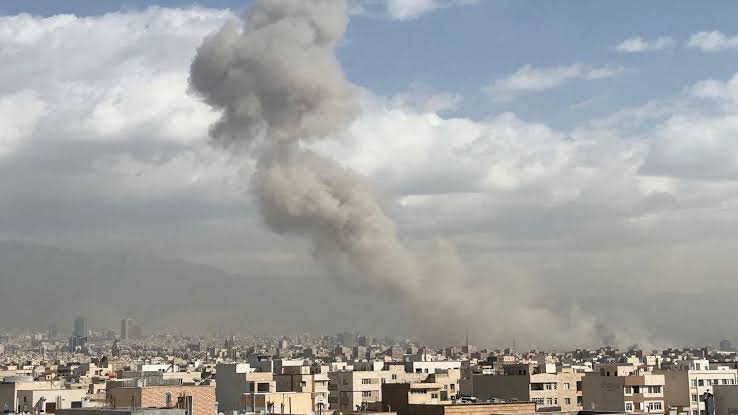
The phrase “Iran strikes US” has become one of the most searched topics worldwide as tensions between Iran and the United States continue to influence international politics, military strategies, financial markets, and regional security. Every military exchange between these two nations attracts global attention because both countries hold significant influence over Middle Eastern stability and international diplomacy.
Whenever reports emerge about Iranian missile strikes, drone attacks, or military operations targeting US forces or facilities, governments, investors, businesses, and ordinary citizens closely monitor developments. Such incidents have the potential to affect global oil prices, stock markets, international trade routes, diplomatic relations, and security policies across multiple continents.
This article provides a detailed explanation of the Iran-US conflict, explores the historical background, discusses why military strikes occur, examines their impact on global security and the economy, and analyzes possible future scenarios while answering the most common questions people search on Google.
What Does “Iran Strikes US” Mean?
The term Iran strikes US generally refers to military actions conducted by Iran or Iranian-backed groups against American military bases, personnel, naval assets, or strategic facilities. These attacks may involve ballistic missiles, cruise missiles, drones, rockets, or cyber operations. Not every reported strike results in large-scale military conflict, but each incident significantly increases geopolitical tensions and raises concerns about further escalation.
Military analysts note that such strikes often occur in response to political decisions, military operations, sanctions, or regional conflicts involving both countries. The objective may range from deterrence and retaliation to sending strategic political messages without triggering a full-scale war.
History of the Iran-US Conflict
Understanding the current situation requires looking back at decades of complex relations between Iran and the United States. Diplomatic ties deteriorated after the 1979 Iranian Revolution, which transformed Iran’s political system and resulted in the US embassy hostage crisis. Since then, relations have remained strained due to disagreements over regional influence, nuclear development, economic sanctions, military activities, and support for allied groups across the Middle East.
Throughout the years, tensions have periodically intensified through military confrontations, sanctions, diplomatic disputes, cyber operations, and proxy conflicts involving neighboring countries. Each new confrontation adds another chapter to a relationship already characterized by decades of mistrust.
Why Did Iran Strike the US?
There are several reasons that may contribute to Iranian military actions against US interests. These include retaliation for previous military operations, responses to economic sanctions, strategic deterrence, protection of regional allies, domestic political considerations, and reactions to developments involving Israel or other Middle Eastern conflicts.
Military experts generally agree that these actions are often calculated to demonstrate military capability while attempting to avoid an uncontrollable regional war. Nevertheless, every strike carries the risk of unintended escalation.
Types of Military Strikes
Iran possesses a variety of military capabilities that could be used against American interests. These include ballistic missiles capable of striking regional targets, armed drones that can conduct long-range attacks, cruise missiles designed for precision targeting, naval operations affecting shipping routes, and cyber capabilities targeting digital infrastructure.
Each method serves different military objectives and presents unique challenges for defensive systems deployed by the United States and its allies.
US Military Response
The United States typically responds through a combination of military preparedness, diplomatic engagement, intelligence operations, defensive deployments, economic sanctions, and coordination with regional allies. Depending on the severity of an incident, responses may include reinforcing military bases, deploying additional naval assets, increasing air defense systems, conducting surveillance operations, or pursuing diplomatic efforts aimed at preventing wider conflict.
US policymakers often emphasize balancing deterrence with efforts to avoid a broader regional war.
Global Economic Impact
One of the immediate consequences of heightened Iran-US tensions is increased uncertainty in global financial markets. Investors closely monitor developments because the Middle East plays a critical role in global energy production and shipping. Concerns about disruptions to oil exports or maritime trade routes can lead to fluctuations in crude oil prices, stock markets, inflation expectations, and currency values.
Higher energy prices may increase transportation costs, manufacturing expenses, and consumer prices worldwide. Businesses dependent on stable fuel costs often face greater uncertainty during periods of geopolitical instability.
Impact on the Middle East
The Middle East remains the region most directly affected by tensions between Iran and the United States. Neighboring countries may strengthen border security, enhance military readiness, or pursue diplomatic initiatives to reduce the risk of broader conflict. Regional alliances, security cooperation, humanitarian concerns, and economic development can all be influenced by prolonged instability.
Civilian populations may also experience indirect effects through disruptions to trade, investment, tourism, and public confidence.
International Reactions
Governments and international organizations generally encourage restraint and dialogue during periods of heightened military tension. Many countries call for diplomatic negotiations, de-escalation measures, and adherence to international law. Global powers often seek to prevent actions that could destabilize international energy markets or lead to wider regional conflict.
International diplomacy remains an important mechanism for reducing misunderstandings and encouraging peaceful solutions.
Could This Lead to a Larger War?
Whether isolated military strikes evolve into a larger conflict depends on numerous factors, including political decision-making, military responses, diplomatic communication, regional alliances, and international mediation efforts. While many analysts believe both countries have incentives to avoid a prolonged full-scale war due to its significant economic and humanitarian costs, the possibility of escalation cannot be completely ruled out when military actions continue.
Careful diplomacy and crisis management remain essential to reducing risks.
Future Outlook
The future of Iran-US relations will likely depend on diplomatic negotiations, regional developments, security concerns, economic conditions, and broader international politics. Opportunities for dialogue may coexist with periods of heightened tension, making the relationship one of the most closely watched geopolitical issues in the world.
Long-term stability may require sustained diplomatic engagement, confidence-building measures, and cooperation from regional and international stakeholders.
Conclusion
The topic Iran strikes US represents far more than a single military incident. It reflects decades of geopolitical rivalry, strategic competition, regional security challenges, and diplomatic complexity. Every new development influences international relations, energy markets, military planning, and global economic confidence. Although periods of heightened tension generate concern around the world, diplomatic engagement continues to offer the most effective path toward reducing the risk of broader conflict. Staying informed through credible reporting and understanding the broader historical and political context helps readers better interpret rapidly changing events and their potential global consequences.
Frequently Asked Questions (FAQs)
1. What does “Iran strikes US” mean?
It refers to military actions carried out by Iran or Iran-backed groups against US personnel, military bases, or strategic interests.
2. Why are Iran and the US in conflict?
The conflict stems from decades of political disagreements, regional influence, economic sanctions, security concerns, and historical events dating back to 1979.
3. Can Iran-US tensions affect oil prices?
Yes. Because the Middle East is a major energy-producing region, increased tensions often create uncertainty in global oil markets.
4. Has the US responded to Iranian strikes?
US responses vary depending on the situation and may include defensive military measures, diplomatic initiatives, sanctions, or other strategic actions.
5. Could the conflict lead to a larger regional war?
While many governments seek to prevent escalation through diplomacy, any military confrontation carries risks, making continued diplomatic efforts essential.
6. Why is this topic important globally?
The Iran-US relationship affects international security, global trade, energy supplies, financial markets, and diplomatic relations around the world.

Newspaper leadership is one of the most important factors behind every successful news organization. While readers often recognize journalists, reporters, and editors by their published work, the leadership guiding these professionals is what determines the overall quality, credibility, and long-term success of a newspaper. Strong newspaper leadership ensures that accurate information reaches the public while maintaining ethical journalism standards, encouraging innovation, and adapting to the rapidly changing media landscape. As traditional newspapers continue to evolve alongside digital platforms, effective leaders must balance editorial independence, business sustainability, technological advancement, and audience expectations.
In today’s competitive media environment, newspaper leadership extends beyond managing reporters or approving articles. Leaders are responsible for creating a newsroom culture built on integrity, collaboration, transparency, and accountability. They oversee editorial policies, ensure legal compliance, encourage investigative journalism, support professional development, and make strategic decisions that shape the organization’s future. Whether working in local newspapers or global media companies, newspaper leaders influence public opinion, strengthen democratic values, and maintain trust between news organizations and their audiences. Understanding newspaper leadership helps aspiring journalists, editors, and media professionals appreciate the skills and responsibilities required to manage successful newsrooms in an increasingly digital world.
What Is Newspaper Leadership?
Newspaper leadership refers to the process of directing, managing, and inspiring a newspaper organization to achieve high journalistic standards while maintaining operational efficiency and financial sustainability. Leadership involves making strategic decisions regarding editorial content, newsroom operations, staff management, ethical standards, audience engagement, and business growth. Effective leaders ensure that every department works together toward producing reliable, timely, and impactful journalism.
Unlike simple administrative management, newspaper leadership requires balancing editorial independence with organizational goals. Leaders must encourage fact-based reporting while protecting journalists from undue political, commercial, or external influence. They create policies that promote fairness, diversity, transparency, and responsible reporting, ensuring that every published story reflects the newspaper’s commitment to public service.
The Importance of Leadership in Journalism
Leadership in journalism plays a vital role in protecting democracy and informing society. Newspapers serve as watchdogs by investigating corruption, reporting significant events, and providing citizens with reliable information. Strong leadership ensures these responsibilities are carried out ethically and professionally.
When newsroom leaders prioritize integrity, they establish clear editorial guidelines that emphasize verification, balanced reporting, and accountability. This commitment strengthens public trust, reduces misinformation, and reinforces the newspaper’s reputation. Effective journalism leadership also motivates reporters to pursue investigative stories, develop professional skills, and maintain high standards even under challenging circumstances.
Roles and Responsibilities of Newspaper Leaders
Successful newspaper leadership involves numerous responsibilities that extend across editorial, operational, and strategic functions. Editors-in-chief, managing editors, publishers, and newsroom managers coordinate daily activities while ensuring long-term organizational success.
Their responsibilities include establishing editorial policies, supervising journalists, approving major investigations, resolving ethical dilemmas, managing budgets, coordinating digital publishing, developing newsroom talent, maintaining legal compliance, and responding to breaking news. Leaders must also evaluate audience feedback, monitor industry trends, and implement innovations that improve reporting efficiency and reader engagement.
Strong leadership encourages teamwork while maintaining accountability throughout every stage of the publishing process.
Essential Skills for Effective Newspaper Leadership
Outstanding newspaper leadership requires a combination of editorial expertise, business knowledge, communication abilities, and emotional intelligence. Leaders must possess strong decision-making skills because they frequently handle complex situations involving deadlines, ethical concerns, legal risks, and public interest.
Excellent communication helps leaders explain editorial priorities, resolve conflicts, and encourage collaboration among reporters, photographers, designers, and digital teams. Critical thinking allows them to evaluate information objectively, identify misinformation, and make informed publishing decisions.
Adaptability has become increasingly important as newspapers transition toward digital-first publishing models. Leaders who embrace technology, data analytics, multimedia storytelling, artificial intelligence, and audience engagement strategies position their organizations for sustainable success.
Editorial Leadership and Ethical Journalism
Editorial leadership represents the heart of every respected newspaper. Editors establish content standards that guide reporters throughout the news-gathering process. They ensure facts are verified, sources are credible, headlines accurately represent stories, and ethical principles remain central to every publication.
Ethical journalism requires fairness, transparency, independence, accountability, and respect for privacy. Newspaper leaders develop editorial policies that minimize bias while promoting balanced reporting. They also establish correction procedures when mistakes occur, reinforcing public confidence in their organization’s commitment to accuracy.
By maintaining strong editorial leadership, newspapers protect their credibility and contribute positively to informed public discussion.
Newspaper Leadership in the Digital Age
Digital transformation has dramatically changed newspaper leadership. Today’s leaders manage both print and digital platforms while responding to changing audience habits, mobile technology, social media, and online competition.
Digital newspaper leadership involves implementing content management systems, optimizing articles for search engines, expanding multimedia journalism, analyzing reader behavior, and developing subscription strategies. Leaders must encourage innovation while preserving the core values of journalism.
Successful organizations combine traditional reporting excellence with modern technologies such as podcasts, newsletters, videos, interactive graphics, and data journalism. This balanced approach helps newspapers remain relevant in an increasingly digital marketplace.
Challenges Facing Newspaper Leadership
Modern newspaper leadership faces numerous challenges, including declining print circulation, digital competition, misinformation, cybersecurity risks, changing advertising models, audience fragmentation, and financial pressures.
Leaders must also navigate political polarization, legal considerations, staff retention, technological disruption, and public skepticism toward media organizations. Addressing these challenges requires strategic planning, continuous learning, investment in digital capabilities, and unwavering commitment to ethical journalism.
Organizations with visionary leadership often respond successfully by diversifying revenue streams, strengthening digital subscriptions, expanding investigative reporting, and building stronger relationships with readers.
Strategies for Successful Newsroom Management
Effective newsroom management combines clear communication, collaborative leadership, professional development, and performance accountability. Newspaper leaders encourage open discussions, provide constructive feedback, recognize achievements, and create opportunities for career advancement.
Leaders also establish efficient workflows, encourage cross-functional collaboration, utilize digital publishing tools, and maintain flexible editorial planning. Regular training programs help journalists improve investigative techniques, multimedia storytelling, fact-checking, and digital reporting skills.
These strategies create motivated teams capable of producing high-quality journalism consistently.
The Future of Newspaper Leadership
The future of newspaper leadership will depend on innovation, adaptability, and continued dedication to public service journalism. Artificial intelligence, automation, data analytics, audience personalization, and digital subscriptions will increasingly influence newsroom operations. However, technology cannot replace ethical judgment, editorial independence, or responsible leadership.
Future newspaper leaders will need to combine technological expertise with traditional journalistic values. Organizations that invest in talent development, digital transformation, audience trust, and editorial excellence will remain competitive despite evolving industry challenges.
Ultimately, newspaper leadership will continue to play an essential role in preserving democratic societies by ensuring citizens have access to accurate, independent, and trustworthy information.
Conclusion
Newspaper leadership is far more than managing a newsroom or overseeing daily publications. It represents the foundation upon which credible journalism, public trust, and organizational success are built. Effective leaders inspire journalists, uphold ethical standards, embrace innovation, and guide newspapers through constant technological and economic changes. Their decisions influence not only the quality of reporting but also the public’s confidence in the information they receive.
As the newspaper industry continues evolving in the digital era, leadership remains the driving force behind sustainable growth and editorial excellence. By combining strong communication, ethical decision-making, strategic planning, and technological adaptability, newspaper leaders can ensure their organizations continue serving communities with accurate, responsible, and impactful journalism. Investing in effective newspaper leadership ultimately strengthens both the media industry and the democratic societies it serves.
Frequently Asked Questions (FAQs)
1. What is newspaper leadership?
Newspaper leadership is the process of managing editorial teams, making strategic decisions, maintaining ethical journalism, and ensuring the overall success of a newspaper organization.
2. Why is newspaper leadership important?
It ensures accurate reporting, ethical journalism, effective newsroom management, public trust, and long-term organizational growth.
3. What skills are required for newspaper leadership?
Important skills include communication, decision-making, editorial judgment, leadership, strategic planning, adaptability, conflict resolution, and knowledge of digital journalism.
4. What does an editor-in-chief do?
An editor-in-chief oversees editorial content, sets newsroom policies, approves major stories, ensures ethical standards, and leads the editorial team.
5. How has digital media changed newspaper leadership?
Digital media requires leaders to manage online publishing, SEO, multimedia content, social media strategies, audience analytics, and digital subscription models while maintaining journalistic integrity.
6. What challenges do newspaper leaders face?
Common challenges include declining print revenue, misinformation, digital competition, changing reader habits, cybersecurity concerns, and maintaining editorial independence.
7. How does newspaper leadership support ethical journalism?
Leaders establish editorial guidelines, promote fact-checking, encourage balanced reporting, maintain transparency, and ensure accountability when errors occur.
8. What is the future of newspaper leadership?
The future involves integrating technology, artificial intelligence, data analytics, and digital innovation while preserving the core principles of ethical and independent journalism.


A big news network plays an important role in connecting people with current events, breaking news, political developments, business updates, entertainment stories, sports coverage, and global issues. In today’s digital world, news is no longer limited to newspapers or television broadcasts. Large news networks use websites, mobile applications, social media platforms, and live streaming services to deliver information instantly to millions of people around the world.
The growth of big news networks has transformed the way audiences consume information. People now expect fast updates, accurate reporting, expert analysis, and easy access to stories from anywhere. These networks influence public discussions, help people understand important events, and create a connection between communities and the wider world.
What Is a Big News Network?
A big news network is a large-scale media organization that collects, verifies, produces, and distributes news content across multiple platforms. These networks usually have professional journalists, reporters, editors, analysts, and technical teams working together to provide coverage of local, national, and international events.
Unlike small news outlets, big news networks often have resources that allow them to maintain reporters in different locations, investigate complex stories, and provide live coverage of major events. Their reach allows them to become important sources of information for millions of viewers and readers.
How Big News Networks Work in the Modern Era
Modern big news networks operate through a combination of traditional journalism and advanced digital technology. Reporters gather information from different sources, interview experts, analyze data, and verify facts before publishing stories. Editors then review content to improve accuracy, clarity, and reliability.
Technology has changed the speed of news delivery. A major event happening in one part of the world can be reported globally within minutes. Websites, mobile notifications, podcasts, video platforms, and social media channels have allowed news networks to reach audiences faster than ever before.
The Importance of Big News Networks
Big news networks provide several important services to society. They inform people about events that may affect their lives, explain complicated issues, and provide different perspectives on important topics. Reliable journalism helps people make informed decisions and understand the world around them.
During emergencies such as natural disasters, health crises, or major international events, news networks often become essential sources of updates and guidance. Their ability to distribute information quickly can help communities respond effectively.
Digital Transformation of Big News Networks
The internet has completely changed the news industry. Traditional television-based networks have expanded into digital platforms because audiences increasingly prefer online access. Today’s big news networks focus on mobile-friendly websites, social media engagement, video content, and personalized news experiences.
Search engines also play a major role in how people discover news. News organizations now optimize articles with relevant keywords, clear headlines, structured content, and useful information to improve visibility online.
Challenges Faced by Big News Networks
Although big news networks have significant influence, they also face challenges in the modern media environment. One major challenge is maintaining trust in a time when misinformation spreads quickly online. Audiences expect news organizations to provide accurate, balanced, and transparent reporting.
Another challenge is competition. Thousands of websites, independent journalists, and social media creators publish information every day. Big news networks must continue improving their reporting quality and adapting to changing audience habits.
The Future of Big News Networks
The future of big news networks will likely be shaped by artificial intelligence, data journalism, digital storytelling, and personalized content. Technology can help journalists analyze large amounts of information, identify trends, and deliver more relevant news experiences.
However, the human role in journalism remains important. Professional reporting, investigation, ethical standards, and fact-checking will continue to be essential for maintaining public trust.
Conclusion
Big news networks remain one of the most powerful parts of the modern information system. They connect people with important events, provide analysis, and help society understand complex issues. As technology continues to develop, these networks will continue evolving to meet the changing needs of audiences.
The success of a big news network depends not only on speed but also on accuracy, credibility, and the ability to provide meaningful information. In the future, trusted journalism combined with modern technology will define how people receive and understand news.
Frequently Asked Questions (FAQ)
1. What is a big news network?
A big news network is a large media organization that provides news coverage through television, websites, mobile apps, and digital platforms. These networks usually cover local, national, and international events.
2. Why are big news networks important?
Big news networks are important because they provide information, explain major events, support public awareness, and help people understand issues affecting the world.
3. How do big news networks collect information?
They collect information through journalists, reporters, interviews, official sources, research, investigations, and verified data.
4. Are big news networks available online?
Yes, most modern news networks operate online through websites, mobile applications, video platforms, and social media channels.
5. How do big news networks make money?
Many news networks generate revenue through advertising, subscriptions, partnerships, memberships, and other media services.
6. What is the future of big news networks?
The future of big news networks will involve more digital platforms, artificial intelligence tools, personalized news, and advanced methods of storytelling while maintaining journalistic standards.

Domino’s Extravaganza: Complete Guide to the Popular Loaded Pizza

KT Tape Shoulder Rotator Cuff: How to Tape for Support and Pain Relief

Elle Brooke Dredd: Who Are They and What Does the Search Term Mean?

Katie Holmes and Joshua Jackson: Their Hollywood Journey, Connection, and Career Highlights

Pedro Vaz Paulo: Leadership, Business Strategy, and Professional Excellence

Belgium De Bruyne: Career, Achievements, Playing Style and Football Legacy
 Celebrity3 months ago
Katie Holmes and Joshua Jackson: Their Hollywood Journey, Connection, and Career Highlights
- Business3 months ago
Pedro Vaz Paulo: Leadership, Business Strategy, and Professional Excellence
- Celebrity3 months ago
Belgium De Bruyne: Career, Achievements, Playing Style and Football Legacy
- News3 months ago
Sea Isle News: Latest Local Updates, Events, Weather, and Community Stories
- Tech3 months ago
MindArk Entropia: The Complete Guide to the World’s Most Unique Virtual Economy
- Tech3 months ago
Mazda CX-5 2025: Complete Review, Specs, Features, Price, Performance, and Buying Guide
- Business2 months ago
Sportsman’s Warehouse Store Closures: Everything You Need to Know About Store Shutdowns, Business Strategy, and Future Growth
- Entertainment3 months ago
Brewzle: The Complete Guide to Everything You Need to Know