
Blog
Ramadan 2026: Dates, Calendar, Fasting, Sehri, Iftar and Complete Guide

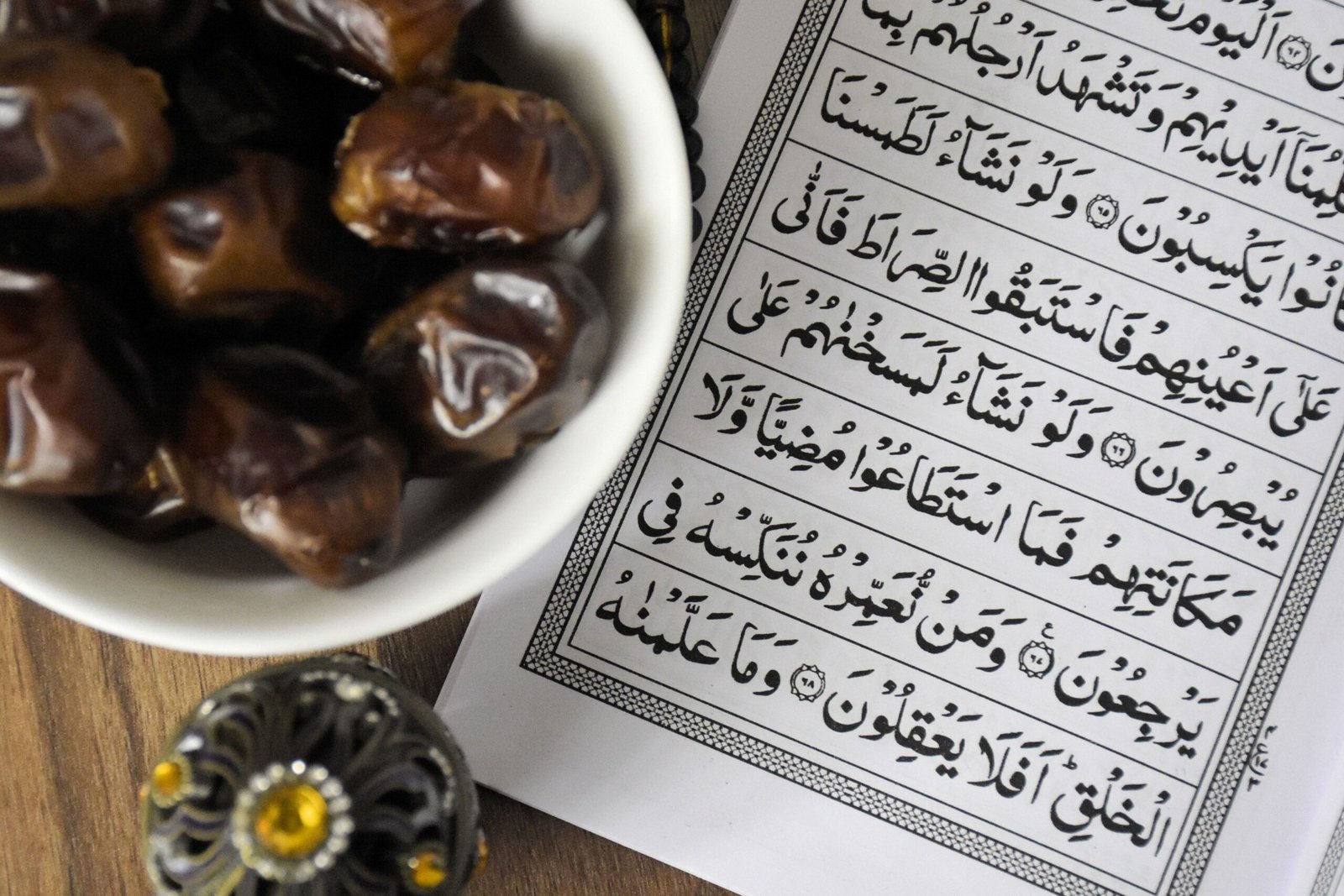
Ramadan 2026 is an important period for Muslims around the world, bringing a month of fasting, prayer, reflection, charity, family gatherings and spiritual renewal. Ramadan is the ninth month of the Islamic Hijri calendar and moves approximately 10–11 days earlier each year in the Gregorian calendar because the Islamic calendar follows lunar cycles. For people planning ahead, one of the most common questions is when Ramadan 2026 will begin, how long it will last, when fasting will take place, and when Eid al-Fitr will arrive. In Pakistan, published calendar information places the beginning of Ramadan on Thursday, February 19, 2026, while Eid al-Fitr is listed for Saturday, March 21, 2026; however, Islamic dates are traditionally confirmed according to the sighting of the new moon, so local religious authorities may announce dates that differ by a day.
Ramadan is much more than simply going without food and drink during daylight hours. For Muslims, fasting, known as Sawm, is one of the Five Pillars of Islam and is intended to encourage self-discipline, gratitude, patience, compassion and a stronger relationship with Allah. The month is also associated with increased prayer, Qur’an recitation, remembrance of Allah, charitable giving and helping people in need. Islamic Relief explains that Ramadan commemorates the period associated with the first revelation of the Qur’an and encourages Muslims to strengthen their relationship with Allah, give charity and seek forgiveness.
When Is Ramadan 2026?
The expected dates for Ramadan 2026 vary somewhat depending on location and moon-sighting practices. In Pakistan, calendar listings currently show February 19, 2026, as the start of Ramadan, while Eid al-Fitr is listed for March 21. Internationally, different countries may begin Ramadan on different Gregorian dates because the beginning of the Islamic month depends on the lunar calendar and the method used to determine the new moon. Timeanddate also lists February 19 as Ramadan’s start date in Pakistan while showing February 18 for several other countries.
For anyone searching for Ramadan 2026 dates, it is therefore useful to distinguish between an estimated calendar date and the officially announced local date. A Ramadan timetable can provide estimated Sehri and Iftar times, but exact fasting times depend on the city because sunrise and sunset vary geographically. This is particularly important for people travelling during Ramadan or living in a country where official moon-sighting announcements determine the beginning and end of the month.
Ramadan 2026 Calendar and Important Dates
A typical Ramadan calendar includes the first day of fasting, daily Sehri and Iftar times, the final days of Ramadan and Eid al-Fitr. For Pakistan, available 2026 calendar information lists February 19 as Ramadan’s beginning and March 21 as Eid al-Fitr, although individual fasting schedules should be checked according to the person’s city and the timetable followed by their local mosque or religious authority.
The final days of Ramadan are particularly significant because Muslims traditionally increase their worship and seek the blessings associated with the last ten nights. One of the most important nights of the Islamic year is Laylat al-Qadr, commonly translated as the Night of Decree or Night of Power. It is traditionally sought during the odd-numbered nights of the final ten nights of Ramadan. Because the exact night is not universally identified in advance, many Muslims devote additional time throughout the final ten nights to prayer, Qur’an recitation, remembrance and supplication.
What Is Fasting During Ramadan?
Fasting during Ramadan means abstaining from food and drink from dawn until sunset, along with observing the spiritual and ethical discipline associated with the fast. The pre-dawn meal is commonly called Sehri or Suhoor, while the meal used to break the fast at sunset is called Iftar. The daily fast is not intended simply to create physical hunger; its deeper purpose is spiritual discipline and consciousness of Allah.
A successful Ramadan is therefore about more than completing the daily fast. Muslims are encouraged to avoid harmful behavior, control anger, speak respectfully, practice patience and show generosity toward others. The experience of hunger can also encourage gratitude for everyday blessings and greater empathy for people who regularly face food insecurity. In this sense, Ramadan combines personal discipline with social responsibility and spiritual reflection.
Sehri During Ramadan 2026
Sehri, also known as Suhoor, is the meal eaten before the fast begins. A nutritious Sehri can help people maintain energy and hydration during the day. Many people choose foods containing complex carbohydrates, protein, fruits, vegetables and appropriate amounts of healthy fats. Drinking sufficient water before the fasting period begins is also important, particularly in places where daytime temperatures are high.
People should avoid treating Sehri as an opportunity to consume excessive amounts of fried or very salty foods. Heavy meals may leave a person feeling uncomfortable or unusually thirsty during the fasting day. Instead, a balanced meal combined with sensible hydration can make the fasting period easier to manage. Exact Sehri cutoff times differ according to location, so Muslims should use a reliable local Ramadan timetable rather than relying on a time from another city.
Iftar During Ramadan 2026
Iftar is the meal at which the daily fast is broken after sunset. Many Muslim families traditionally begin Iftar with dates and water before eating a larger meal, although customs vary between cultures and families. Iftar can be a meaningful family and community occasion, with mosques, relatives and community organizations frequently arranging meals for groups of people.
A healthy Iftar does not need to be excessively large. After a full day without food or drink, eating slowly and choosing a balanced meal can be more comfortable than immediately consuming a very heavy meal. Traditional foods vary greatly around the world, so Ramadan tables can look completely different from one country or culture to another. The common element is the opportunity to break the fast together and express gratitude.
Prayer and Worship During Ramadan 2026
Prayer becomes especially important during Ramadan, and many Muslims aim to increase their worship throughout the month. Along with the five daily obligatory prayers, Muslims may perform additional voluntary prayers, including Taraweeh, which is traditionally performed during Ramadan nights. Many people also dedicate additional time to reading or listening to the Qur’an, making Dua, remembering Allah and seeking forgiveness.
The spiritual atmosphere of Ramadan encourages people to establish habits that can continue after the month ends. Someone might use Ramadan to develop a regular Qur’an-reading routine, become more consistent with prayer, increase charitable giving or spend more time reflecting on personal behavior. In this way, the month can serve as a period of personal renewal rather than being viewed only as a temporary change in eating patterns.
Charity and Helping Others During Ramadan
Charity is another major part of Ramadan. Muslims are encouraged to help people who are struggling and to give generously according to their circumstances. This can take many forms, including providing food, supporting charitable organizations, helping neighbors, assisting relatives or contributing to community initiatives. Ramadan also reminds people that generosity is not limited to money; time, kindness, practical assistance and compassion can also make a meaningful difference.
Zakat and voluntary charity are particularly important subjects during Ramadan. Muslims who are required to pay Zakat generally calculate and distribute it according to Islamic principles, while many people also give additional voluntary charity known as Sadaqah. Toward the end of Ramadan, Zakat al-Fitr, also known as Fitrana in some regions, is traditionally given so that those in need can participate in the Eid celebration.
Ramadan 2026 and Family Traditions
Ramadan often changes the daily rhythm of families and communities. Families may wake before dawn for Sehri, organize their work and school schedules around fasting and gather together for Iftar. In many communities, mosques become especially active in the evening, and people may spend additional time in prayer and social activities after breaking the fast.
Food traditions are another memorable part of Ramadan. Different countries have their own dishes associated with Iftar and Sehri, ranging from soups and dates to breads, rice dishes, fruit, sweets and regional specialties. While these traditions vary, Ramadan encourages moderation rather than turning the month into a month-long focus on elaborate meals. The central purpose remains worship, gratitude, self-discipline and compassion.
Ramadan 2026 in Pakistan
For Muslims in Pakistan, Ramadan is traditionally accompanied by a noticeable change in daily schedules. Businesses, schools, offices, markets and public life may adjust their routines to accommodate fasting and prayer. Pakistan’s 2026 holiday calendar lists February 19 as Ramadan Start and includes Eid-related public holidays around March 20–23, although official announcements and religious determinations should be followed for final dates.
Because Pakistan is geographically large, Ramadan fasting times in Lahore, Karachi, Islamabad, Peshawar, Quetta, Sahiwal and other cities are not identical. Sunrise and sunset occur at different times depending on location, meaning a Ramadan timetable should always be selected for the correct city. This is especially important when determining the daily end of Sehri and the beginning of Iftar.
How to Prepare for Ramadan 2026
Preparing for Ramadan can make the month more manageable and meaningful. Before Ramadan begins, people can gradually establish consistent sleeping patterns, organize their work or study schedules, plan nutritious meals and think about their spiritual goals. Preparing a simple Ramadan calendar can also help track Qur’an reading, prayer, charity and other personal objectives.
It can also be useful to plan practical matters in advance. Families may prepare a shopping list, organize meals, identify charitable causes they want to support and make arrangements for work or school commitments. However, preparation should not become so focused on food and shopping that the spiritual purpose of Ramadan is forgotten. The most valuable preparation is often setting sincere intentions and deciding how to make the month a period of meaningful personal improvement.
Ramadan 2026 and the Last Ten Nights
The last ten nights of Ramadan hold special importance for many Muslims. These nights are traditionally associated with increased worship and the search for Laylat al-Qadr. Many people spend more time praying, making Dua, reading the Qur’an and seeking forgiveness during this period.
Some Muslims also practice I’tikaf, a form of spiritual retreat traditionally associated with remaining in the mosque for worship during the final portion of Ramadan. Practices and arrangements can vary between communities, so anyone interested in I’tikaf should consult their local mosque or qualified religious authority for details.
When Is Eid al-Fitr 2026?
Eid al-Fitr marks the end of Ramadan and begins the celebration following the completion of the month of fasting. In Pakistan, published calendar information lists Saturday, March 21, 2026, as Eid al-Fitr, with related public holidays around that date.
As with the beginning of Ramadan, the exact beginning of Eid can depend on lunar observation and local announcements. For this reason, people should check announcements from their country’s recognized religious authorities rather than assuming that an online calendar is the final determination. Eid is traditionally a day of prayer, family gatherings, visiting relatives, sharing food, giving gifts and extending good wishes to others.
Ramadan 2026: Tips for a Meaningful Month
A meaningful Ramadan does not require an unrealistic schedule. Setting a few achievable goals can be more useful than creating an ambitious plan that becomes difficult to maintain. Someone might decide to read a certain amount of Qur’an each day, pray additional voluntary prayers, give regular charity, reduce unnecessary screen time or make a deliberate effort to improve relationships with family and friends.
It is equally important to remember that Ramadan is a month of balance. Muslims have responsibilities toward their families, jobs, education and communities, and worship should be integrated thoughtfully into everyday life. People with particular health or personal circumstances should seek appropriate guidance from qualified professionals and religious authorities regarding their fasting obligations and exemptions.
Why Ramadan 2026 Is Important
Ramadan offers an opportunity to pause from ordinary routines and focus more intentionally on faith and personal character. The physical experience of fasting is combined with prayer, generosity, patience and reflection, creating a month that affects both individual behavior and community life. For many Muslims, the goal is not simply to reach Eid after completing a number of fasting days but to emerge from Ramadan with stronger habits, greater gratitude and a deeper awareness of their responsibilities toward Allah and other people.
The month can also strengthen community bonds. Sharing Iftar, supporting people in need, attending prayers and visiting relatives create opportunities for connection that extend beyond individual worship. Whether Ramadan is experienced in a large city, a small community or at home with family, its central themes of faith, self-discipline, generosity and compassion remain important.
Conclusion
Ramadan 2026 is a significant month for Muslims seeking spiritual growth, worship, self-discipline and closer connections with their families and communities. In Pakistan, calendar sources currently place the beginning of Ramadan on February 19 and Eid al-Fitr on March 21, but the final religious determination of lunar dates can depend on moon sighting and local announcements. Understanding the difference between estimated calendar dates and officially confirmed dates is particularly important when planning fasting schedules, travel, work arrangements and Eid celebrations.
Whether someone is searching for Ramadan 2026 dates, a Ramadan 2026 calendar, Sehri and Iftar times, information about fasting, or guidance on preparing spiritually for the month, Ramadan is ultimately about much more than a timetable. It is a period dedicated to worship, gratitude, patience, generosity and reflection. By approaching the month with sincere intentions and a balanced routine, Muslims can use Ramadan as an opportunity for meaningful spiritual and personal renewal.
Frequently Asked Questions About Ramadan 2026
When does Ramadan 2026 start?
In Pakistan, calendar listings currently give February 19, 2026, as the expected start of Ramadan. The precise religious date can depend on local moon-sighting announcements.
When is Eid al-Fitr 2026?
For Pakistan, published calendar information lists March 21, 2026, as Eid al-Fitr, although Eid dates are ultimately dependent on the lunar calendar and relevant local announcements.
How long is Ramadan 2026?
Ramadan normally lasts either 29 or 30 days, depending on the sighting of the new moon marking the beginning of the following Islamic month.
What is Sehri?
Sehri, also called Suhoor, is the pre-dawn meal eaten before the daily Ramadan fast begins.
What is Iftar?
Iftar is the meal used to break the Ramadan fast after sunset. Many Muslims traditionally begin Iftar with dates and water before eating their main meal.
What is Ramadan fasting?
Ramadan fasting, or Sawm, involves abstaining from food and drink from dawn until sunset, together with observing the spiritual and ethical principles associated with the fast.
Why is Ramadan important?
Ramadan is important because it is a sacred month of the Islamic calendar associated with fasting, prayer, Qur’an, charity, repentance and spiritual reflection. It is also connected with the revelation of the Qur’an and the practice of Sawm, one of the Five Pillars of Islam.
Is Ramadan the same date every year?
No. Ramadan moves earlier by approximately 10–11 days each year in the Gregorian calendar because the Islamic calendar is lunar.
Are Ramadan dates the same in every country?
Not necessarily. Different countries and communities can begin Ramadan and celebrate Eid on different Gregorian dates because of differences in moon-sighting practices and local religious announcements.
When are the last ten nights of Ramadan 2026?
They occur during the final ten nights of Ramadan. Because the exact beginning of Ramadan can vary according to lunar sighting, the corresponding Gregorian dates should be determined from the officially confirmed local Ramadan calendar.
What is Laylat al-Qadr?
Laylat al-Qadr, commonly called the Night of Power or Night of Decree, is a highly significant night associated with Ramadan. Muslims traditionally seek it during the final ten nights and devote additional time to prayer, Qur’an recitation and supplication.
What should I eat during Sehri and Iftar?
A balanced approach is generally preferable, with nutritious foods and adequate hydration during the non-fasting hours. Local dietary traditions vary, but excessive amounts of very salty, sugary or heavy foods may make fasting less comfortable for some people.
What is Zakat al-Fitr?
Zakat al-Fitr, also called Fitrana in some communities, is a charitable obligation traditionally associated with the end of Ramadan and intended to help people in need participate in the Eid celebration.
What is the best way to prepare for Ramadan 2026?
Good preparation can include organizing sleep and meal schedules, planning worship goals, preparing for work or school commitments, arranging charitable giving and learning the correct local Sehri and Iftar times. Most importantly, preparation can focus on sincere intention and spiritual goals rather than only food and shopping.

Jenna Ortega has become one of the most recognizable young actors of her generation, with her breakthrough performance as Wednesday Addams turning her into an international star. Her career, however, began well before Wednesday, with years of television and film work that established her as a versatile performer capable of moving between comedy, drama, horror, and mystery. Netflix identifies Ortega as the star of Wednesday, where she plays the iconic Wednesday Addams, while its behind-the-scenes coverage also highlights her expanded involvement as a producer on the second season.
Jenna Ortega’s Rise to Fame
Jenna Ortega built her acting career gradually rather than becoming famous overnight. Before Wednesday, she appeared in television productions and films that gave her experience across different genres and helped establish her reputation as a young performer. Her role in You and appearances in horror films including Scream, Scream VI, and X helped audiences recognize her ability to handle darker and more intense material. Netflix’s cast guide for Wednesday also lists her work in The Babysitter: Killer Queen and Beetlejuice Beetlejuice among her notable screen credits.
Her breakthrough arrived with Netflix’s Wednesday, a supernatural mystery series centered on Wednesday Addams and her experiences at Nevermore Academy. Ortega’s interpretation combined the character’s recognizable deadpan personality with a more developed emotional and dramatic dimension. Netflix describes the series as following Wednesday as she investigates mysteries while navigating friendships and conflicts at the unusual school.
Jenna Ortega as Wednesday Addams
The role of Wednesday Addams became the defining part of Ortega’s career. The character had already been portrayed in numerous versions of the Addams Family franchise, but the Netflix series gave Wednesday a much larger role as the central protagonist. According to Netflix’s behind-the-scenes coverage, Ortega had been familiar with comparisons between herself and Wednesday because of her dry sense of humor and personality, making the role particularly interesting for her.
What makes Ortega’s performance notable is the way she balances Wednesday’s distinctive humor with the character’s vulnerability and determination. Rather than treating Wednesday simply as a collection of sarcastic one-liners, the series explores her relationships, psychic abilities, investigations, family connections, and difficulties understanding emotions. Netflix’s coverage describes this version of Wednesday as an intelligent young detective dealing with supernatural mysteries while developing relationships with the people around her.
Wednesday on Netflix
Wednesday premiered as a supernatural mystery series featuring Ortega in the title role. The story follows Wednesday after she is sent to Nevermore Academy, a school connected to her parents and populated by students with unusual supernatural abilities. There she becomes involved in a series of mysteries and attempts to uncover the truth behind strange events surrounding the school and its community.
The show’s combination of gothic visuals, dark comedy, mystery, fantasy, and teenage drama helped establish a distinctive identity. Netflix currently lists two seasons of Wednesday, with Season 2 expanding the story and giving Ortega an additional role behind the camera as a producer. Netflix’s official coverage states that all eight episodes of Season 2 are streaming and describes the second chapter as a darker continuation involving new mysteries, family relationships, friends, and old adversaries.
Jenna Ortega’s Work Beyond Wednesday
Although Wednesday is Ortega’s most widely recognized role, her career includes considerably more than the Netflix series. Her filmography includes projects from several genres, particularly horror. Her appearances in Scream, Scream VI, X, and Beetlejuice Beetlejuice demonstrate her connection to contemporary horror cinema, while her earlier television work shows the range of her career before she became internationally associated with Wednesday Addams.
This variety is important when considering Jenna Ortega’s career because her success has not depended on a single type of performance. She has worked in television, feature films, comedy, drama, horror, fantasy, and mystery. Her growing involvement in production also indicates an interest in the creative process beyond simply performing in front of the camera.
Jenna Ortega and the Future of Wednesday
The success of Wednesday has made Ortega closely associated with the character, but her continued career is broader than the franchise. Netflix’s current Wednesday coverage reports that Season 3 has wrapped filming, indicating that the story is continuing beyond the first two seasons.
For audiences searching for information about Jenna Ortega, it is therefore useful to look beyond individual viral searches and consider the larger trajectory of her career. Her development from a young television performer into the lead of one of Netflix’s most prominent series illustrates how long-term experience can eventually lead to a defining breakthrough role.
Why Jenna Ortega Has Become So Popular
Several factors have contributed to Jenna Ortega’s popularity. Her performance style fits characters who are independent, unconventional, and emotionally complicated, while her work across horror and mystery has helped create a recognizable screen presence. Her portrayal of Wednesday is particularly distinctive because she combines controlled physical acting, understated comedy, and dramatic intensity rather than relying exclusively on dialogue.
The popularity of Wednesday has also introduced Ortega to audiences around the world. Netflix’s official material emphasizes her central position within the show’s cast and her expanded responsibilities during Season 2. This combination of acting visibility and increasing creative involvement has made her career an interesting subject for viewers following contemporary television and film.
Conclusion
Jenna Ortega’s career is much broader than any single internet search or viral moment. From her early acting work to major roles in horror films and her internationally recognized performance as Wednesday Addams, she has developed a diverse career across television and cinema. Wednesday remains a major part of her public profile, but her film work and increasing involvement in production demonstrate that her professional trajectory extends beyond one character.
For readers interested in Jenna Ortega, the most useful approach is to explore her biography, filmography, Wednesday performance, and continuing creative work. These subjects provide a much fuller picture of the actor and explain why she has become such a prominent figure in contemporary entertainment.
Frequently Asked Questions
Who is Jenna Ortega?
Jenna Ortega is an American actor best known internationally for playing Wednesday Addams in Netflix’s Wednesday. She has also appeared in television productions and films including Scream, Scream VI, X, and Beetlejuice Beetlejuice.
What is Jenna Ortega famous for?
She is particularly famous for portraying Wednesday Addams in Netflix’s Wednesday. The role became a major breakthrough in her career and established her as one of the show’s central stars.
How many seasons of Wednesday are available?
Netflix currently lists two seasons of Wednesday, with all eight episodes of Season 2 available for streaming.
What movies has Jenna Ortega appeared in?
Her film credits include The Babysitter: Killer Queen, Scream, X, Scream VI, and Beetlejuice Beetlejuice, among other projects.
Did Jenna Ortega work as a producer on Wednesday?
Yes. Netflix’s Season 2 cast guide identifies Ortega as taking on an expanded producer role during the second season.
Where can I watch Wednesday?
Netflix’s official site currently lists Wednesday as a Netflix series starring Jenna Ortega, Gwendoline Christie, and Catherine Zeta-Jones.
Ana de Armas has become one of the most recognizable actresses of her generation, building an international career that stretches from Cuban cinema and Spanish television to major Hollywood productions. Born in Cuba in 1988, de Armas began studying acting as a teenager before making her feature-film debut and later moving to Spain, where she gained widespread attention through the television series El Internado. Her decision to pursue opportunities in Hollywood eventually led to roles in major productions including Blade Runner 2049, Knives Out, No Time to Die, The Gray Man, Blonde, and Ballerina. Her career is notable not simply because of the size of these productions, but because of the variety of characters she has taken on across science fiction, mystery, action, drama, and biographical filmmaking.
Who Is Ana de Armas?
Ana Celia de Armas Caso was born on April 30, 1988, in Cuba. According to biographical sources, she developed an interest in acting early and studied at Cuba’s National Theatre School as a teenager. She made her film debut in Una rosa de Francia in 2006 and subsequently appeared in additional Spanish-language productions before establishing herself in Spanish television. Her role as Carolina Leal Solís in El Internado became an important early milestone, giving her exposure to a broad television audience and helping establish the foundation for her international career.
Her move toward Hollywood represented a major transition. Rather than arriving with an established American-language career, de Armas had to adapt to a new entertainment industry and work in English. Her early English-language projects included Knock Knock, followed by appearances in Hands of Stone, War Dogs, and Overdrive. These projects gradually increased her visibility and eventually led to one of her most important career opportunities: Denis Villeneuve’s science-fiction film Blade Runner 2049.
Ana de Armas and Blade Runner 2049
Blade Runner 2049 was an important turning point in Ana de Armas’s Hollywood career. Released in 2017, the science-fiction film featured her as Joi alongside Ryan Gosling, Harrison Ford, and Jared Leto. The character required a performance that combined emotional qualities with the unusual nature of an artificial intelligence companion, giving de Armas an opportunity to demonstrate a different side of her acting abilities. The film subsequently became one of the best-known entries in her filmography.
The importance of Blade Runner 2049 to her career also came from its international visibility. Following earlier supporting roles, de Armas was now appearing in a major science-fiction production from an acclaimed filmmaker and sharing the screen with established Hollywood performers. The role helped broaden public awareness of her work and became one of the performances most frequently associated with her career.
Ana de Armas in Knives Out
Another major milestone arrived with Rian Johnson’s mystery film Knives Out in 2019. De Armas played Marta Cabrera, a caregiver whose relationship with the wealthy Thrombey family places her at the center of the film’s mystery. The ensemble included Daniel Craig, Chris Evans, Jamie Lee Curtis, Christopher Plummer, Toni Collette, and other prominent performers.
The role demonstrated de Armas’s ability to carry substantial dramatic responsibility within a large ensemble cast. Knives Out was also an important critical success; Rotten Tomatoes lists the film at 97% on its current page for the actress. De Armas received a Golden Globe nomination connected with her performance, further establishing her as an actress capable of moving beyond supporting roles into prominent leading parts.
Ana de Armas as Paloma in No Time to Die
In 2021, de Armas joined the James Bond franchise in No Time to Die, playing CIA agent Paloma opposite Daniel Craig’s James Bond. The appearance was relatively brief compared with the length of the film, but the character became one of the memorable additions to the movie. Her participation also represented another significant stage in her international career because the Bond franchise is one of the most recognizable film properties in the world.
Her role in No Time to Die also continued a pattern visible throughout her filmography: moving between genres and production styles rather than becoming associated with only one type of character. She had already appeared in science fiction and mystery films, and the Bond project added a major spy-action production to that list.
Blonde and the Role of Marilyn Monroe
One of Ana de Armas’s most demanding dramatic roles came in Blonde, Andrew Dominik’s 2022 film inspired by Joyce Carol Oates’s novel about Marilyn Monroe. De Armas portrayed Norma Jeane Mortenson, the woman who became famous as Marilyn Monroe. The role required her to portray a fictionalized interpretation of one of the most recognizable figures in twentieth-century popular culture.
The performance brought substantial attention and an Academy Award nomination, marking another major achievement in her career. It also demonstrated the range of projects de Armas was pursuing after establishing herself through mainstream productions such as Blade Runner 2049 and Knives Out. Rather than remaining within one genre, she was increasingly taking roles that demanded different approaches to character and performance.
The Gray Man and Action Roles
Ana de Armas continued exploring action filmmaking with The Gray Man, the 2022 Netflix thriller directed by Anthony and Joe Russo. She played Dani Miranda alongside Ryan Gosling and Chris Evans. The movie gave her another opportunity to participate in large-scale action sequences while working with an ensemble of internationally recognized actors.
The project was part of a broader period in which de Armas increasingly appeared in high-profile commercial productions. Her filmography by this point included mystery, science fiction, drama, biographical filmmaking, espionage, and action, illustrating the diversity of roles she had accumulated since her early career in Cuba and Spain.
Ballerina and the John Wick Universe
In 2025, Ana de Armas appeared as Eve Macarro in Ballerina, a film connected to the John Wick universe. The project represented another move into action-oriented filmmaking and expanded her association with major franchise cinema. Current filmography sources list Ballerina among her recent completed projects.
Her participation in Ballerina is significant when viewed alongside her previous action roles. From Paloma in No Time to Die to Dani Miranda in The Gray Man and Eve Macarro in Ballerina, de Armas has increasingly taken on characters positioned within physically demanding action narratives while continuing to work in dramatic and character-focused productions.
Ana de Armas Filmography
Ana de Armas’s filmography reflects a progression from Cuban and Spanish productions toward increasingly prominent international projects. Her early credits include Una rosa de Francia, Madrigal, Mentiras y gordas, Blind Alley, and For a Handful of Kisses. Her Hollywood period includes Knock Knock, Hands of Stone, War Dogs, Overdrive, Blade Runner 2049, The Informer, Knives Out, Wasp Network, Sergio, No Time to Die, Deep Water, The Gray Man, Blonde, Ghosted, Eden, and Ballerina.
This filmography shows why searches for “Ana de Armas movies” and “Ana de Armas filmography” remain closely associated with her public profile. Her career includes both commercially oriented productions and films that place greater emphasis on dramatic performance. Her work has also involved collaborations with directors and actors from different parts of the international film industry.
Why Ana de Armas Remains a Widely Searched Actress
Interest in Ana de Armas comes from several aspects of her career rather than one particular movie. She has appeared in major franchises, critically recognized ensemble films, streaming productions, action movies, science-fiction projects, and dramatic roles. Her transition from Cuban cinema to Spanish television and eventually Hollywood provides another important part of her story because it illustrates how an actor can build an international career across multiple entertainment industries.
Her most recognizable roles also span substantially different genres. Joi in Blade Runner 2049 belongs to science fiction, Marta Cabrera in Knives Out is central to a murder mystery, Paloma in No Time to Die belongs to the Bond spy tradition, Norma Jeane in Blonde is a dramatic interpretation of a famous historical figure, and Eve Macarro in Ballerina represents action-franchise filmmaking. This variety has become one of the defining characteristics of her career.
Conclusion
Ana de Armas’s career is a story of international development, professional adaptation, and increasingly prominent film roles. Beginning in Cuba and gaining wider recognition in Spain, she eventually established herself in Hollywood through projects such as Blade Runner 2049 and Knives Out. Her later appearances in No Time to Die, The Gray Man, Blonde, Ghosted, Eden, and Ballerina expanded her filmography across action, drama, mystery, science fiction, and franchise cinema.
For readers searching for information about Ana de Armas, her biography and filmography provide a much more complete picture than focusing on isolated photographs or sensationalized search terms. Her career demonstrates a progression from early acting work in Cuba and Spain to major international productions, making her film history the central story behind her continuing public interest.
Frequently Asked Questions
Who is Ana de Armas?
Ana de Armas is a Cuban-Spanish actress known for films including Blade Runner 2049, Knives Out, No Time to Die, Blonde, The Gray Man, and Ballerina.
When was Ana de Armas born?
Ana de Armas was born on April 30, 1988, in Cuba.
What was Ana de Armas’s breakthrough Hollywood role?
Her performance as Joi in Blade Runner 2049 is widely regarded as an important breakthrough in her Hollywood career, following earlier English-language roles.
What character did Ana de Armas play in Knives Out?
She played Marta Cabrera, a caregiver at the center of the mystery in Knives Out.
Who did Ana de Armas play in No Time to Die?
She portrayed Paloma, a CIA agent who assists James Bond in No Time to Die.
Did Ana de Armas receive an Oscar nomination?
Yes. Her performance in Blonde earned her an Academy Award nomination.
What is Ana de Armas’s latest major movie?
Ballerina, in which she plays Eve Macarro, was released in 2025 and is part of the John Wick universe.

Jenna Ortega: Biography, Career, Wednesday, Movies and TV Shows

Ana de Armas: Biography, Movies, Career, and Rise to Hollywood Stardom

Do You Want Pain? Understanding Physical and Emotional Pain

Katie Holmes and Joshua Jackson: Their Hollywood Journey, Connection, and Career Highlights

Pedro Vaz Paulo: Leadership, Business Strategy, and Professional Excellence

Belgium De Bruyne: Career, Achievements, Playing Style and Football Legacy
 Celebrity4 months ago
Katie Holmes and Joshua Jackson: Their Hollywood Journey, Connection, and Career Highlights
- Business4 months ago
Pedro Vaz Paulo: Leadership, Business Strategy, and Professional Excellence
- Celebrity4 months ago
Belgium De Bruyne: Career, Achievements, Playing Style and Football Legacy
- Business4 months ago
Sportsman’s Warehouse Store Closures: Everything You Need to Know About Store Shutdowns, Business Strategy, and Future Growth
- Tech4 months ago
MindArk Entropia: The Complete Guide to the World’s Most Unique Virtual Economy
- News4 months ago
Sea Isle News: Latest Local Updates, Events, Weather, and Community Stories
- Tech4 months ago
Mazda CX-5 2025: Complete Review, Specs, Features, Price, Performance, and Buying Guide
- Sports3 months ago
Connection Darts: The Complete Guide to Features, Benefits, Performance, and Buying Tips