
Health
Provascin: Benefits, Uses, Ingredients, Side Effects, and Everything You Need to Know



Peppermint and spearmint are two of the most popular mint varieties in the world, yet many people still confuse them because they look similar and belong to the same plant family. The phrase peppermint vs spearmint is searched by people who want to understand the difference in taste, aroma, health benefits, and best uses in food, drinks, teas, and natural remedies. While both herbs have a fresh and cooling character, they are not the same, and the difference becomes easy to notice once you compare their flavor, smell, chemical composition, and practical uses. Peppermint tends to be stronger, sharper, and more intense, while spearmint is milder, sweeter, and easier for everyday use. This article will explain the key differences in a simple, detailed way so you can choose the right mint for your kitchen, garden, tea, or wellness routine.
Peppermint vs Spearmint: What Makes Them Different?
The biggest difference between peppermint and spearmint is their flavor profile. Peppermint has a bold, icy, cooling taste that feels much stronger on the tongue, which is why it is often used in candies, strong teas, oils, and medicinal products. Spearmint, by contrast, has a softer, sweeter, and more gentle flavor that feels fresher and less intense. This makes spearmint a better choice for people who enjoy mint flavor without the sharp punch that peppermint brings. Their appearance also has small differences, especially in the shape and texture of the leaves, but the taste is usually the easiest way to tell them apart. Peppermint is actually a hybrid mint, while spearmint is a natural species, and that botanical difference helps explain why peppermint often has a much more concentrated menthol effect.
Another important difference is the chemical makeup of the two herbs. Peppermint contains a high amount of menthol, which creates the strong cooling sensation most people recognize immediately. Spearmint contains much less menthol and instead has a higher amount of carvone, which gives it a sweeter and more pleasant herbal aroma. This is why peppermint can feel almost intense or medicinal, while spearmint feels softer and more refreshing. The difference in chemistry also affects how each mint is used in cooking, beverages, toothpaste, chewing gum, essential oils, and herbal remedies. Peppermint is usually chosen when a strong mint effect is desired, while spearmint is preferred when the goal is a more balanced flavor that does not overpower other ingredients.
Peppermint vs Spearmint in Taste and Aroma
When people compare peppermint vs spearmint, taste is usually the first thing they notice. Peppermint has a sharp, crisp, and penetrating flavor that leaves a noticeable cooling sensation after you eat or drink it. Because of this, peppermint is often associated with holiday candies, strong after-dinner mints, and therapeutic teas. Spearmint, on the other hand, offers a fresher and sweeter taste that feels less aggressive and more rounded. Many cooks prefer spearmint in savory dishes, salads, sauces, and light desserts because it enhances the dish without dominating it. If peppermint is the bold voice in the room, spearmint is the quiet one that adds freshness without taking over.
The aroma difference is just as clear. Peppermint smells more intense, clean, and almost sharp, which is why it is commonly used in products designed to create a strong sensory effect. Spearmint has a greener, softer, and more delicate scent that feels more natural and subtle. This is one reason spearmint is often chosen for everyday drinks and recipes, while peppermint is used in smaller amounts when a stronger mint impression is wanted. In practical terms, the mint you choose depends on the result you want: peppermint for a powerful burst of freshness, and spearmint for a gentler, sweeter herbal touch.
Peppermint vs Spearmint Benefits
Both peppermint and spearmint are valued for their potential wellness benefits, although people often use them in different ways. Peppermint is commonly associated with soothing digestion, easing nausea, and creating a refreshing feeling in the mouth and throat. Its high menthol content is one reason it appears so often in teas, lozenges, balms, and inhalation products. Some people find peppermint helpful after heavy meals because it can make the stomach feel calmer and lighter. Spearmint also has a long history of traditional use, especially for digestion and general freshness, but it is usually considered gentler and more suitable for people who prefer a milder herb. Spearmint tea is often enjoyed for relaxation and for a pleasant, smooth herbal drink that can be consumed regularly.
It is worth remembering that while mint herbs are widely used in wellness routines, they are not magic cures. Their effects can vary from person to person, and the best choice often depends on sensitivity and personal taste. Some people feel that peppermint is too strong for regular use, especially if they are sensitive to menthol, while others love its powerful cooling effect. Spearmint is often easier to drink in larger amounts because it is milder and less likely to overpower the palate. In both cases, the benefit comes not only from the plant itself but also from how it fits into your lifestyle, diet, and preferred flavor profile.
Best Uses for Peppermint and Spearmint
The best use for peppermint depends on whether you want strength and freshness. Peppermint is excellent in peppermint tea, chocolate desserts, sugar-free gum, toothpaste, mouthwash, and essential oils. Its strong cooling flavor makes it especially useful in products that are meant to feel clean and energizing. It also pairs well with chocolate, citrus, and rich ingredients because its bold character can cut through sweetness and heaviness. In small amounts, peppermint can add a dramatic finish to desserts and drinks, but too much can easily overpower a recipe, so it should be used carefully.
Spearmint is usually the better choice for recipes that need a softer mint taste. It works beautifully in lemonade, iced tea, fruit salads, yogurt, sauces, lamb dishes, Middle Eastern recipes, and light desserts. Because spearmint has a sweeter and more delicate flavor, it blends more naturally with both sweet and savory ingredients. It is also popular in cocktails and mocktails because it adds freshness without making the drink taste too medicinal or sharp. For everyday cooking, spearmint is often the more versatile mint because it is easier to pair with a wide range of foods.
Which Is Better: Peppermint or Spearmint?
There is no universal winner in the peppermint vs spearmint comparison because the better choice depends entirely on your goal. If you want a stronger mint flavor, a powerful cooling effect, or a more intense herbal experience, peppermint is usually the better option. If you want something milder, sweeter, and easier to use in many recipes, spearmint is often the better choice. For tea drinkers, peppermint can feel more invigorating, while spearmint can feel more soothing and gentle. For cooks, peppermint is best in small, bold applications, while spearmint fits a wider range of dishes and drinks.
A simple way to decide is to think about intensity. Peppermint is ideal when you want the mint to stand out clearly, while spearmint is ideal when you want the mint to support other flavors instead of dominating them. Many people keep both in the kitchen because each one serves a different purpose. Having both herbs available gives you much more flexibility in recipes, drinks, homemade remedies, and garnishes. That is why the peppermint vs spearmint debate is less about which herb is superior and more about which herb is right for the moment.
Conclusion
Peppermint and spearmint may look alike at first glance, but they are clearly different in flavor, aroma, chemistry, and everyday use. Peppermint delivers a bold, cooling, and intense mint experience, while spearmint offers a sweeter, gentler, and more versatile flavor. When people search for peppermint vs spearmint, they are usually looking for the best way to choose between strength and softness, and the answer depends on how the herb will be used. Peppermint is the stronger option for tea, candy, oils, and cooling products, while spearmint is often the better choice for cooking, drinks, and anyone who prefers a smoother mint taste. By understanding these differences, you can choose the right mint with confidence and use it in a way that matches your taste and purpose.
FAQ
1. What is the main difference between peppermint and spearmint?
The main difference is flavor and chemical composition. Peppermint has a stronger menthol taste and a cooling sensation, while spearmint tastes sweeter, milder, and less intense.
2. Is peppermint stronger than spearmint?
Yes, peppermint is generally stronger than spearmint. Its higher menthol content gives it a sharper flavor and a more noticeable cooling effect.
3. Which mint is better for tea?
Both work well, but peppermint is better for a strong, refreshing tea, while spearmint is better for a softer, sweeter tea that feels gentler on the palate.
4. Can peppermint and spearmint be used interchangeably?
Sometimes they can, but the taste will change. Peppermint is much stronger, so using it in place of spearmint may make a recipe taste too sharp or intense.
5. Which mint is better for cooking?
Spearmint is usually better for cooking because it has a milder flavor that blends more easily with other ingredients without overpowering them.
6. Are peppermint and spearmint both healthy?
Both are widely used in food and herbal traditions, but their effects can vary. They are best seen as flavorful herbs that may support wellness rather than as guaranteed remedies.
7. Why does peppermint feel colder than spearmint?
Peppermint feels colder because it contains more menthol, which activates cooling receptors in the mouth and creates that strong icy sensation.
8. Which mint should I choose for everyday use?
Spearmint is often the better everyday choice because it is milder and more flexible, while peppermint is better when you want a stronger mint flavor.
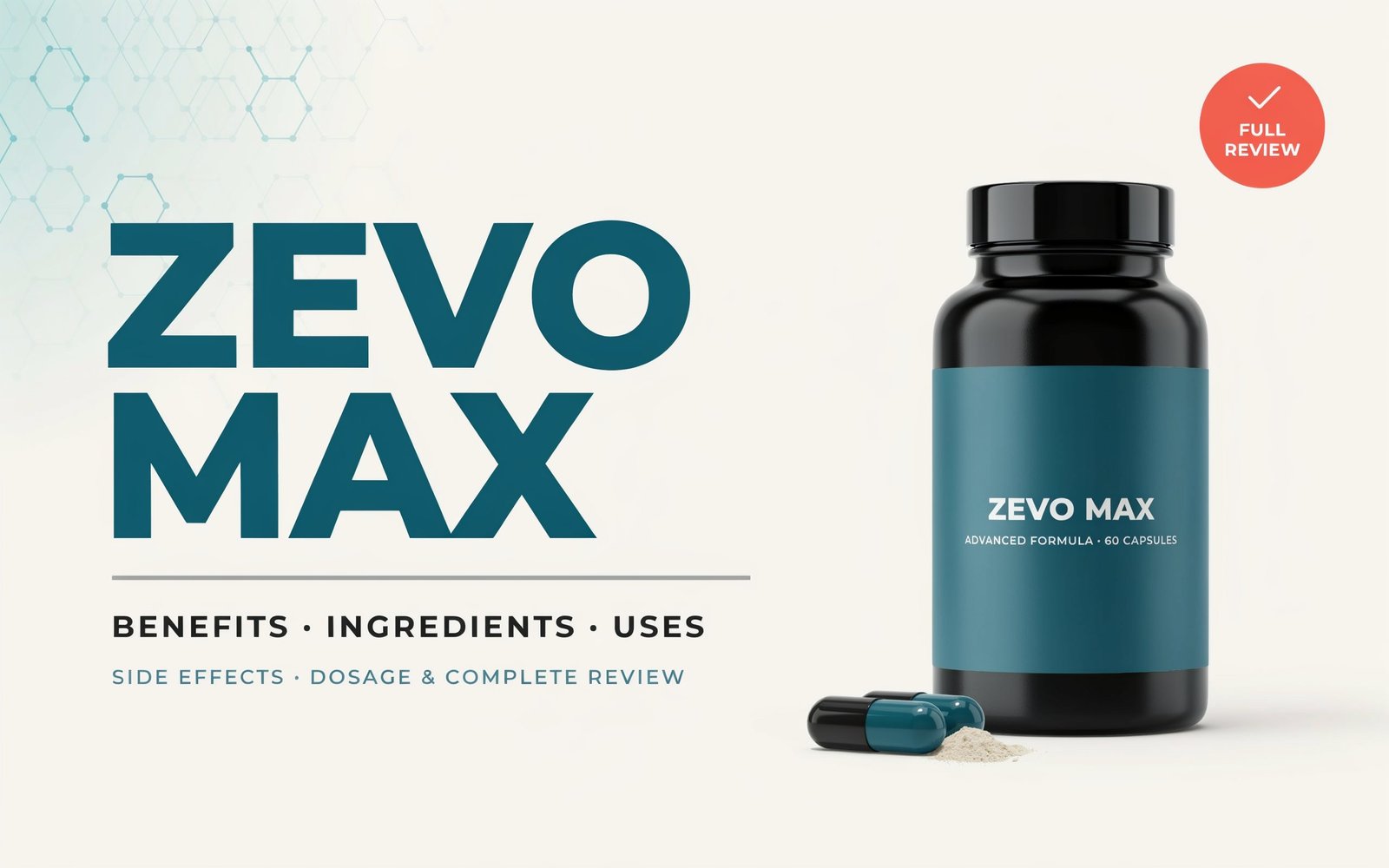
The health supplement market continues to grow as more people look for natural ways to improve their overall wellness, support their daily nutrition, and maintain an active lifestyle. Among the many products available today, Zevo Max has gained attention from health-conscious adults who are interested in supplements that may complement a balanced diet and healthy habits. Before choosing any dietary supplement, it is important to understand what it is designed for, how it works, what ingredients it contains, and whether it is suitable for your personal health goals.
This comprehensive guide explains everything you need to know about Zevo Max, including its potential benefits, key ingredients, recommended usage, possible side effects, precautions, and frequently asked questions. The information provided here is educational in nature and should not replace professional medical advice. Always consult a qualified healthcare provider before starting any new supplement, especially if you have a medical condition, are pregnant or breastfeeding, or take prescription medications.
What Is Zevo Max?
Zevo Max is a dietary health supplement formulated to support overall wellness by providing a blend of vitamins, minerals, herbal extracts, antioxidants, or other nutritional ingredients, depending on its specific formulation. Like many dietary supplements, Zevo Max is intended to complement a healthy lifestyle rather than replace nutritious foods, regular physical activity, or medical treatment. Many adults choose supplements like Zevo Max as part of their daily wellness routine to help fill nutritional gaps and support normal body functions. The effectiveness of any supplement depends on its ingredients, proper use, and individual health factors, which is why understanding the product before use is essential.
How Does Zevo Max Work?
The intended purpose of Zevo Max is to supply nutrients or plant-based compounds that may help support the body’s normal physiological processes. Depending on the formulation, ingredients may contribute to energy metabolism, antioxidant activity, immune function, or general nutritional support. Dietary supplements work differently for each individual because age, diet, lifestyle, genetics, and overall health all influence how the body responds. Zevo Max should be viewed as one part of a broader wellness strategy that includes balanced nutrition, regular exercise, adequate sleep, hydration, and routine healthcare.
Potential Benefits of Zevo Max
When used according to the manufacturer’s instructions and combined with healthy lifestyle habits, Zevo Max may offer several potential benefits depending on its ingredient profile. These benefits can include supporting general wellness, helping meet daily nutritional needs, providing antioxidant support to help protect cells from oxidative stress, supporting normal immune function through essential vitamins and minerals, and contributing to healthy energy metabolism. Some formulations may also include botanical ingredients traditionally used to support overall vitality. However, individual experiences vary, and dietary supplements are not intended to diagnose, treat, cure, or prevent any disease.
Zevo Max Ingredients
The exact ingredient list may vary by manufacturer or product version, so consumers should always review the product label before use. Many health supplements include combinations of vitamins, minerals, herbal extracts, amino acids, and antioxidants that work together to support general health. Vitamins may contribute to normal energy production and immune function, while minerals support various biological processes throughout the body. Herbal extracts are often included for their traditional wellness applications, and antioxidants help protect cells from damage caused by free radicals. Understanding each ingredient allows consumers to identify potential allergens, interactions, or sensitivities before beginning supplementation.
How to Take Zevo Max
For the best results, Zevo Max should always be taken exactly as directed on the product label or according to the advice of a healthcare professional. It is generally recommended to take dietary supplements with water and, when advised, alongside food to improve tolerance. Users should avoid exceeding the recommended daily serving unless specifically instructed by a healthcare provider. Consistency is often important with nutritional supplements, as benefits may develop gradually over time rather than immediately after the first dose.
Possible Side Effects
Most dietary supplements are well tolerated when used as directed, but side effects are possible. Some individuals may experience mild digestive discomfort, stomach upset, nausea, bloating, or sensitivity to specific ingredients. Allergic reactions, although uncommon, can occur in people who are sensitive to certain herbs or other components. If any severe or unexpected symptoms develop after taking Zevo Max, discontinue use and seek medical advice promptly. People with chronic health conditions or those taking prescription medications should consult a healthcare professional before using any dietary supplement.
Who Should Use Zevo Max?
Zevo Max may be appropriate for adults who wish to support their general wellness as part of a healthy lifestyle. Individuals seeking nutritional support, those with increased nutrient requirements, or adults interested in adding a dietary supplement to their routine may consider discussing Zevo Max with their healthcare provider. It is generally not intended for children unless specifically recommended by a medical professional.
Who Should Avoid Zevo Max?
Certain individuals should use extra caution before taking Zevo Max. This includes pregnant or breastfeeding women, individuals with known allergies to any listed ingredients, people with serious medical conditions, and anyone taking prescription medications that could interact with dietary supplements. Consulting a qualified healthcare provider before use helps reduce the risk of unwanted interactions or complications.
Storage Instructions
Store Zevo Max in a cool, dry place away from direct sunlight, excessive heat, and moisture. Keep the container tightly closed and out of reach of children. Always check the expiration date before use and avoid consuming supplements that are damaged, expired, or improperly stored.
Tips for Best Results
To maximize the potential benefits of Zevo Max, combine supplementation with a balanced diet rich in fruits, vegetables, whole grains, lean proteins, and healthy fats. Maintain regular physical activity, drink adequate water throughout the day, prioritize quality sleep, and attend routine medical checkups. Supplements generally work best when they complement healthy lifestyle habits rather than replace them.
Conclusion
Zevo Max is a dietary health supplement designed to support general wellness and complement a healthy lifestyle. While many consumers use supplements to help meet nutritional needs and support everyday health, individual results can vary depending on overall diet, exercise, medical history, and consistency of use. Before purchasing or using Zevo Max, carefully review the ingredient list, follow the recommended dosage, and consult a healthcare professional if you have any concerns or underlying health conditions. Making informed decisions based on reliable information is the best approach to incorporating any dietary supplement into your wellness routine.
Frequently Asked Questions (FAQ)
1. What is Zevo Max?
Zevo Max is a dietary health supplement intended to support overall wellness and complement a healthy lifestyle.
2. Is Zevo Max a medicine?
No. Zevo Max is a dietary supplement and is not intended to diagnose, treat, cure, or prevent diseases.
3. How long does it take to see results?
Results vary depending on the individual, overall health, diet, and consistency of use.
4. Can I take Zevo Max every day?
Use it only according to the manufacturer’s instructions or your healthcare provider’s recommendations.
5. Are there any side effects?
Some individuals may experience mild digestive discomfort or sensitivity to certain ingredients. Consult a healthcare professional if you experience adverse effects.
6. Can pregnant women take Zevo Max?
Pregnant or breastfeeding women should consult their healthcare provider before using any dietary supplement.
7. Can Zevo Max replace a healthy diet?
No. Dietary supplements are intended to complement, not replace, a balanced and nutritious diet.
8. Is Zevo Max suitable for everyone?
Not necessarily. Individuals with medical conditions, allergies, or those taking medications should consult a healthcare professional before use.
9. Where should Zevo Max be stored?
Store it in a cool, dry place away from moisture, heat, and direct sunlight.
10. Should I consult a doctor before taking Zevo Max?
Yes. Consulting a healthcare professional is recommended, especially if you have existing medical conditions or take prescription medications.
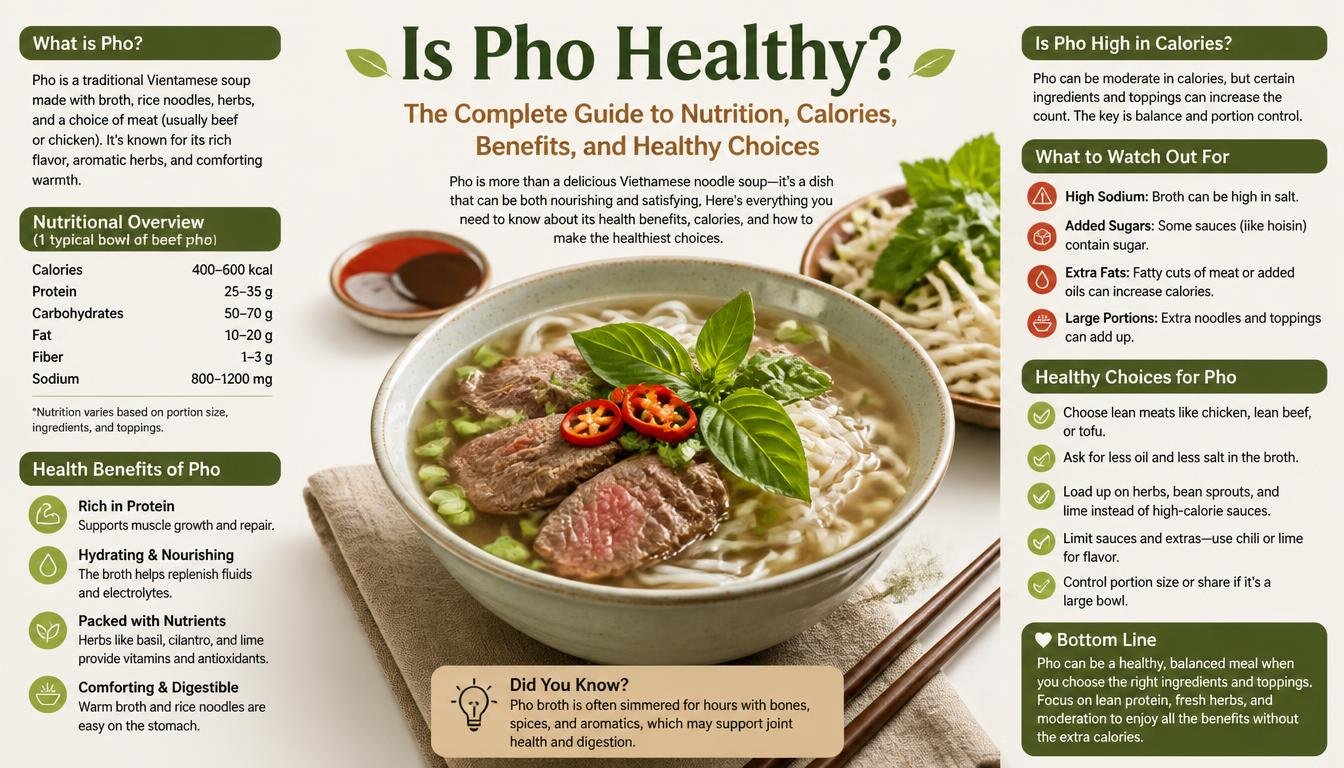
Pho is one of the world’s most popular comfort foods, loved for its rich aromatic broth, tender meat, fresh herbs, and satisfying rice noodles. Originally from Vietnam, this traditional soup has gained worldwide recognition because it offers a delicious combination of flavor and nutrition. However, many people wonder, is pho healthy? The answer is not as simple as yes or no. Like many meals, the nutritional value of pho depends on the ingredients, portion size, cooking method, and toppings you choose.
Whether you’re trying to lose weight, build muscle, maintain a healthy diet, or simply enjoy nutritious meals, understanding the health benefits and drawbacks of pho can help you make smarter food choices. In this comprehensive guide, you’ll learn everything about pho nutrition, calories, protein, carbohydrates, sodium, health benefits, potential disadvantages, and practical tips for making pho healthier. By the end of this article, you’ll know exactly whether pho deserves a place in your regular diet.
What Is Pho?
Pho is a traditional Vietnamese noodle soup that consists of a slow-simmered broth, rice noodles, herbs, vegetables, and meat, most commonly beef or chicken. The broth is typically prepared by simmering bones with spices such as cinnamon, star anise, cloves, ginger, and onions for many hours. This lengthy cooking process creates the rich flavor that makes pho unique.
Fresh herbs like basil, cilantro, mint, bean sprouts, lime wedges, and sliced chilies are commonly served on the side so each person can customize their bowl. Because pho contains protein, carbohydrates, vegetables, herbs, and broth in one dish, many people consider it a balanced meal.
Is Pho Healthy?
Yes, pho can be a healthy meal when prepared with fresh ingredients and consumed in reasonable portions. It contains lean protein, vitamins, minerals, fresh herbs, and nutrient-rich broth that supports hydration and satiety. However, some restaurant versions contain large amounts of sodium and oversized portions of noodles, which can increase calorie and carbohydrate intake.
The healthiness of pho depends largely on the ingredients. Homemade pho usually allows better control over sodium, fat, and portion sizes, making it a healthier option than some restaurant versions.
Pho Nutrition Facts
Although nutrition varies by recipe, a medium-sized bowl of beef pho generally contains:
| Nutrient | Average Amount |
|---|---|
| Calories | 350–600 |
| Protein | 25–35 grams |
| Carbohydrates | 40–60 grams |
| Fat | 8–18 grams |
| Fiber | 2–5 grams |
| Sodium | 700–1,500 mg |
Chicken pho usually contains slightly fewer calories and less fat compared to beef pho.
Health Benefits of Pho
Rich Source of High-Quality Protein
Protein is essential for muscle growth, tissue repair, immune function, and overall health. Pho made with lean beef or chicken provides a generous amount of complete protein that helps keep you full longer. This makes pho an excellent meal after exercise or during weight management because protein promotes satiety and reduces unnecessary snacking throughout the day.
The amino acids found in beef and chicken also contribute to maintaining healthy muscles and supporting recovery after physical activity.
Nutrient-Dense Bone Broth
Traditional pho broth is simmered for many hours using beef or chicken bones. During cooking, minerals and collagen compounds are released into the broth. While the exact nutritional content varies, bone broth contributes protein and minerals while creating a satisfying, flavorful base.
The warm broth may also help with hydration and provide comfort during colder weather or when recovering from illness.
Fresh Herbs Add Powerful Nutrients
Pho isn’t just about noodles and meat. Fresh herbs significantly improve its nutritional value.
Basil provides vitamin K and antioxidants.
Cilantro contains beneficial plant compounds.
Mint may support digestion.
Bean sprouts offer fiber and vitamin C.
Lime adds vitamin C while enhancing flavor without adding calories.
Together, these ingredients increase vitamin intake while adding freshness and texture.
Naturally Gluten-Free
Traditional pho uses rice noodles instead of wheat noodles, making it naturally gluten-free for many people with gluten sensitivities. However, always verify restaurant ingredients because some sauces or seasonings may contain gluten.
Supports Hydration
Because pho contains a large amount of broth, it contributes to daily fluid intake. Proper hydration supports digestion, circulation, temperature regulation, and overall health.
Is Pho Good for Weight Loss?
Pho can absolutely fit into a weight-loss diet if consumed wisely.
Compared to many fast-food meals, pho is relatively low in calories while providing substantial protein. High-protein meals help control hunger and reduce cravings.
To make pho more weight-loss friendly:
Choose chicken instead of fatty beef.
Request fewer noodles.
Add extra vegetables.
Avoid excessive hoisin sauce.
Limit sriracha if watching sodium.
Drink the broth in moderation if sodium intake is a concern.
A balanced bowl of pho can leave you feeling satisfied without excessive calories.
Is Beef Pho Healthy?
Beef pho offers numerous nutritional benefits. Beef supplies iron, zinc, vitamin B12, protein, and essential amino acids.
Iron helps transport oxygen throughout the body.
Vitamin B12 supports nerve function and red blood cell production.
Zinc strengthens immune function.
Protein promotes muscle maintenance.
However, fatty cuts of beef increase saturated fat and calories, so lean cuts are generally the healthier choice.
Is Chicken Pho Healthier Than Beef Pho?
Chicken pho is often considered slightly healthier because it generally contains:
Lower calories
Less saturated fat
High-quality lean protein
Lower cholesterol
People trying to reduce calorie intake often choose chicken pho, while those seeking higher iron intake may prefer beef pho.
Potential Downsides of Pho
High Sodium Content
Restaurant pho often contains significant amounts of sodium due to broth preparation and added sauces.
High sodium intake may contribute to elevated blood pressure in some individuals. Choosing homemade pho or requesting lower-sodium broth can help reduce intake.
Large Portion Sizes
Many restaurants serve oversized bowls that contain considerably more noodles than necessary.
Large portions increase calorie intake even when the ingredients themselves are healthy.
Added Sauces
Hoisin sauce and some other condiments contain added sugar and sodium. Using them sparingly helps preserve pho’s nutritional balance.
How to Make Pho Healthier
There are many easy ways to improve the nutritional value of pho.
Use lean chicken or lean beef.
Increase vegetables.
Reduce noodle portions.
Choose homemade broth.
Limit high-sodium sauces.
Add extra herbs.
Include mushrooms.
Use fresh lime instead of sugary sauces.
These simple adjustments significantly increase nutritional quality while maintaining authentic flavor.
Homemade Pho vs Restaurant Pho
Homemade pho gives you complete control over ingredients.
You can reduce sodium, trim excess fat, increase vegetables, and customize portion sizes.
Restaurant pho offers convenience and authentic preparation but often contains more sodium and larger serving sizes.
If possible, preparing pho at home is usually the healthier option.
Who Should Eat Pho?
Pho is suitable for many lifestyles.
Athletes benefit from its protein and carbohydrates for recovery.
Busy professionals enjoy a balanced meal in one bowl.
Families appreciate its versatility.
People recovering from illness often find warm broth comforting.
Those following gluten-free diets can usually enjoy traditional pho with appropriate ingredient verification.
Expert Tips for Ordering Healthy Pho
Choose small or medium portions.
Select lean meat.
Ask for extra vegetables.
Reduce noodles.
Go easy on sauces.
Drink plenty of water.
Skip sugary beverages.
These choices make pho considerably healthier without sacrificing taste.
Final Verdict: Is Pho Healthy?
Pho is generally a healthy meal that provides an excellent balance of protein, carbohydrates, herbs, vegetables, and flavorful broth. It can support weight management, muscle recovery, hydration, and overall nutrition when prepared with fresh ingredients and enjoyed in reasonable portions. While restaurant versions may contain higher sodium levels and larger portions, simple modifications such as choosing lean protein, reducing noodles, and limiting sauces can make pho an outstanding addition to a healthy diet.
If you’re looking for a warm, satisfying, and nutrient-rich meal, pho is one of the better options available. Like any food, moderation and mindful ingredient choices are the keys to making it part of a balanced lifestyle.
Frequently Asked Questions (FAQs)
Is pho healthier than ramen?
Generally, pho is considered healthier than many traditional ramen dishes because it often contains leaner protein, fresh herbs, and a lighter broth. However, the exact nutrition depends on the recipe and portion size.
Can I eat pho every day?
Yes, you can eat pho regularly if it is prepared with balanced ingredients, lean protein, vegetables, and moderate sodium levels. Variety in your diet is still important to ensure you get a broad range of nutrients.
Is pho high in calories?
A typical bowl of pho contains approximately 350 to 600 calories, depending on the meat, noodle portion, and toppings.
Is chicken pho healthier than beef pho?
Chicken pho generally contains fewer calories and less saturated fat, making it a popular choice for people focused on weight management. Beef pho provides more iron and vitamin B12.
Is pho good for weight loss?
Pho can support weight loss because it is filling, high in protein, and relatively moderate in calories. Choosing lean protein, reducing noodle portions, and adding extra vegetables makes it even more weight-loss friendly.
Is pho gluten-free?
Traditional pho made with rice noodles is usually gluten-free, but you should always check the broth, sauces, and seasonings, especially when dining at restaurants.
Why is pho considered healthy?
Pho combines lean protein, nutrient-rich broth, rice noodles for energy, and fresh herbs and vegetables that provide vitamins, minerals, and antioxidants. This balanced combination makes it a nutritious meal when prepared thoughtfully.

Domino’s Extravaganza: Complete Guide to the Popular Loaded Pizza

KT Tape Shoulder Rotator Cuff: How to Tape for Support and Pain Relief

Elle Brooke Dredd: Who Are They and What Does the Search Term Mean?

Katie Holmes and Joshua Jackson: Their Hollywood Journey, Connection, and Career Highlights

Pedro Vaz Paulo: Leadership, Business Strategy, and Professional Excellence

Belgium De Bruyne: Career, Achievements, Playing Style and Football Legacy
 Celebrity3 months ago
Katie Holmes and Joshua Jackson: Their Hollywood Journey, Connection, and Career Highlights
- Business3 months ago
Pedro Vaz Paulo: Leadership, Business Strategy, and Professional Excellence
- Celebrity3 months ago
Belgium De Bruyne: Career, Achievements, Playing Style and Football Legacy
- News3 months ago
Sea Isle News: Latest Local Updates, Events, Weather, and Community Stories
- Tech3 months ago
MindArk Entropia: The Complete Guide to the World’s Most Unique Virtual Economy
- Business2 months ago
Sportsman’s Warehouse Store Closures: Everything You Need to Know About Store Shutdowns, Business Strategy, and Future Growth
- Tech3 months ago
Mazda CX-5 2025: Complete Review, Specs, Features, Price, Performance, and Buying Guide
- Entertainment3 months ago
Brewzle: The Complete Guide to Everything You Need to Know