
Lifestyle
How to Remove Red Wine from Clothes: The Complete Guide to Saving Your Favorite Fabrics

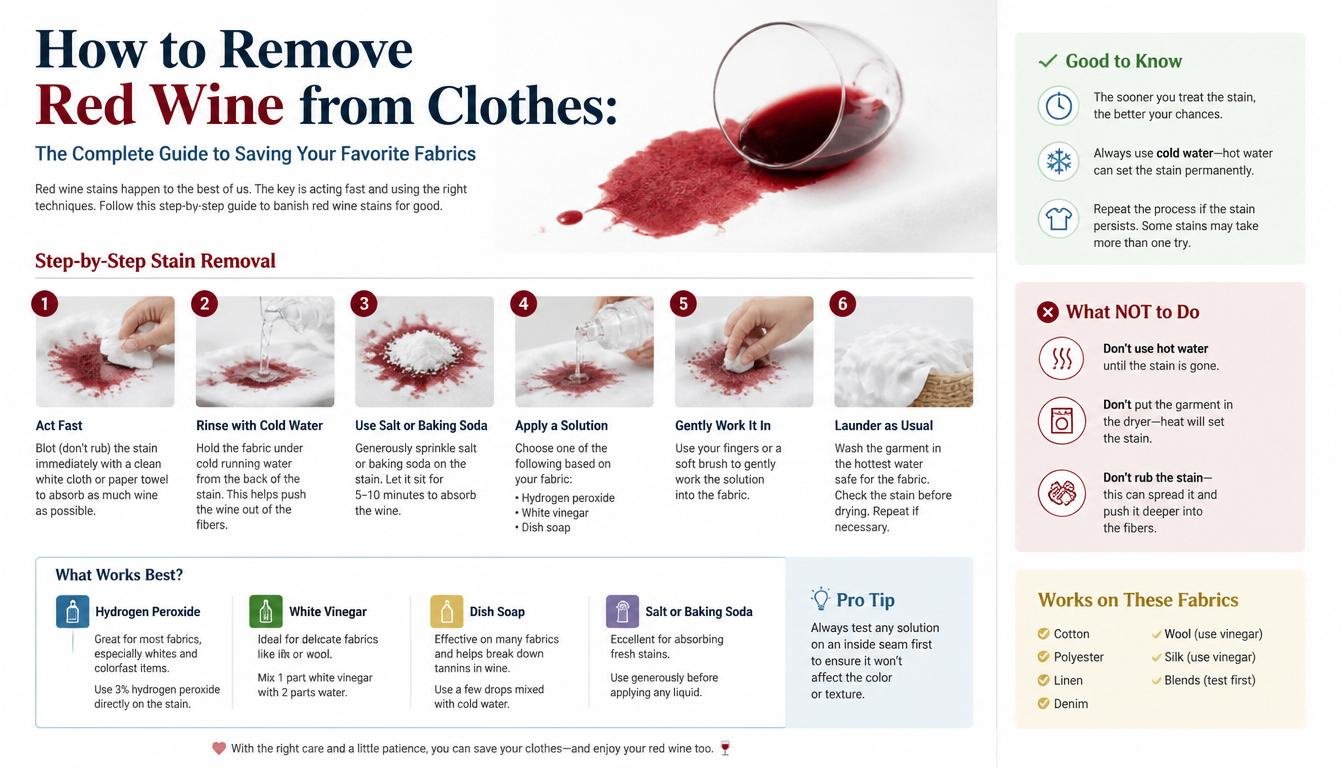
Red wine stains are among the most frustrating clothing accidents because of their deep pigments and tannins, which quickly bind to fabric fibers. Whether you’re enjoying dinner, attending a wedding, celebrating the holidays, or relaxing with friends, one small spill can leave a noticeable stain on your favorite shirt, dress, jeans, or tablecloth. The good news is that most red wine stains can be removed successfully if you use the right cleaning methods and act quickly. Even dried stains can often be treated with household ingredients and proper stain removal techniques.
In this comprehensive guide, you’ll learn exactly how to remove red wine from clothes using proven methods that work on different fabric types. We’ll also cover common mistakes to avoid, explain why red wine stains are difficult to remove, recommend the best stain removers, and answer the most frequently asked questions. Whether you’re dealing with fresh or old stains, this guide will help you restore your clothes and prevent permanent damage.
How to Remove Red Wine from Clothes
Red wine stains may look impossible to remove, but they are not permanent if treated properly. The dark color of red wine comes from natural pigments called anthocyanins along with tannins that bind tightly to clothing fibers. Once these compounds dry, they become significantly more difficult to remove, which is why immediate treatment is always recommended. However, even if the stain has dried, several effective cleaning methods can still restore your clothing. Understanding why these stains occur helps you choose the best removal technique instead of making the stain worse through improper cleaning.
The first and most important rule is to avoid rubbing the stain aggressively. Rubbing forces the wine deeper into the fibers and spreads it over a larger area. Instead, gently blot the stain using a clean white cloth or paper towel to absorb as much liquid as possible. Continue blotting until very little wine transfers to the cloth. This simple step can significantly reduce the size and intensity of the stain before any cleaning products are applied.
Method 1: Cold Water Rinse
One of the easiest and most effective treatments for fresh wine stains is rinsing the fabric with cold water. Hold the stained area under running cold water from the back of the fabric so the water pushes the wine out rather than further into the fibers. Continue rinsing for several minutes. Cold water helps dilute the pigments without setting the stain. Avoid warm or hot water because heat can cause the stain to become permanent.
Method 2: Laundry Detergent Treatment
After rinsing with cold water, apply a high-quality liquid laundry detergent directly to the stained area. Gently massage the detergent into the fibers using your fingertips or a soft cloth. Allow it to sit for at least fifteen to thirty minutes so the cleaning agents can break down the pigments and tannins. Wash the garment according to its care label using the warmest water that is safe for the fabric. Before placing the clothing in the dryer, inspect the stain carefully because heat from the dryer can permanently set any remaining discoloration.
Method 3: Baking Soda Paste
Baking soda is one of the most popular natural stain removers because it absorbs moisture and helps lift pigments from fabric. Mix baking soda with a small amount of water until it forms a thick paste. Spread the paste generously over the stained area and allow it to dry completely. As the baking soda dries, it absorbs some of the remaining wine pigments. Brush away the dried paste and wash the garment normally. This method works particularly well on cotton and other durable fabrics.
Method 4: White Vinegar and Laundry Detergent
White vinegar helps neutralize the pigments found in red wine. Pour a small amount of white vinegar directly onto the stain, then immediately apply liquid laundry detergent over it. Let the mixture remain on the fabric for about twenty minutes before rinsing with cold water and laundering as usual. This combination often works better than vinegar alone because the detergent lifts oils and residues while the vinegar targets the wine pigments.
Method 5: Hydrogen Peroxide and Dish Soap
For white or light-colored fabrics, combine equal parts hydrogen peroxide and liquid dish soap. Apply the mixture directly to the stain and allow it to remain for approximately twenty minutes. Hydrogen peroxide acts as a mild bleaching agent while dish soap breaks down organic compounds. Because hydrogen peroxide may lighten certain colored fabrics, always test the mixture on an inconspicuous area before treating the stain.
Method 6: Oxygen-Based Stain Remover
Oxygen bleach products are among the safest commercial stain removers for many washable fabrics. Prepare the solution according to the manufacturer’s instructions and soak the garment for several hours or overnight if necessary. Oxygen bleach penetrates deeply into fibers and breaks apart stain molecules without using harsh chlorine bleach. This method is particularly effective for older, stubborn wine stains that have already dried.
How to Remove Dried Red Wine Stains
Dried red wine stains require patience because the pigments have already bonded to the fabric. Begin by soaking the garment in cold water for at least thirty minutes to soften the dried residue. Apply a liquid detergent or oxygen-based stain remover and gently work it into the fabric. Allow sufficient soaking time before washing. If the stain remains after washing, repeat the process rather than drying the garment. Multiple treatments are often necessary for older stains, but repeated gentle cleaning is far more effective than one aggressive attempt.
Removing Red Wine Stains from Different Fabrics
Different fabrics require different cleaning approaches. Cotton is generally durable and responds well to detergent, baking soda, and oxygen bleach treatments. Polyester is less absorbent but can still trap pigments, making prompt treatment important. Silk and wool are delicate natural fibers that should be cleaned carefully using mild detergents and cool water, avoiding harsh chemicals and vigorous scrubbing. Leather, suede, and garments labeled “dry clean only” should usually be taken to a professional cleaner to avoid permanent damage.
Common Mistakes to Avoid
Many people accidentally make wine stains worse by using incorrect cleaning methods. Hot water should never be the first treatment because heat sets stains into the fabric. Scrubbing aggressively spreads the stain and damages fibers. Waiting too long before treatment allows pigments to penetrate deeper into the material. Using chlorine bleach on colored clothing may permanently discolor the garment. Finally, placing stained clothing in a dryer before confirming the stain is gone can make removal nearly impossible.
Best Products for Red Wine Stain Removal
Although household remedies often work well, commercial stain removers can provide additional cleaning power. Oxygen-based stain removers are excellent for most washable fabrics because they safely lift organic stains. Enzyme-based laundry detergents are also effective since they break down stain molecules while remaining gentle on fabrics. Specialized stain removal sprays can be useful for treating spills immediately before laundering. Always follow the product instructions and perform a spot test on delicate or brightly colored fabrics.
Tips to Prevent Permanent Red Wine Stains
Quick action is the most important factor in successful stain removal. Keep paper towels or a clean cloth nearby when serving wine so spills can be blotted immediately. Treat stains before they dry whenever possible, avoid heat until the stain has disappeared completely, and wash garments promptly according to the care instructions. Keeping a stain remover spray in your laundry room or travel bag can help you respond quickly when accidents happen.
Conclusion
Removing red wine from clothes does not have to be stressful when you know the correct techniques. Acting quickly, blotting instead of rubbing, using cold water, applying appropriate cleaning products, and avoiding heat are the keys to successful stain removal. Even stubborn dried stains can often be eliminated with repeated treatments and the right stain-removal products. By following the methods outlined in this guide, you can protect your favorite clothing and extend the life of your garments without resorting to expensive replacements. The next time a glass of red wine spills, you’ll have the knowledge and confidence to tackle the stain before it becomes permanent.
Frequently Asked Questions (FAQ)
1. What removes red wine stains from clothes the fastest?
Blotting the stain immediately, rinsing with cold water, and applying liquid laundry detergent is usually the fastest and most effective method for fresh red wine stains.
2. Can dried red wine stains be removed?
Yes. Dried stains can often be removed by soaking the fabric in cold water, treating it with detergent or an oxygen-based stain remover, and washing it several times if necessary.
3. Should I use hot or cold water?
Always use cold water first. Hot water can permanently set the stain into the fabric.
4. Does baking soda remove wine stains?
Yes. Baking soda can help absorb pigments and lift stains, especially when applied as a paste before washing.
5. Can vinegar remove red wine stains?
White vinegar may help neutralize wine pigments when used together with laundry detergent.
6. Is hydrogen peroxide safe for all fabrics?
Hydrogen peroxide is generally best for white or light-colored fabrics. Always test it on a hidden area before use on colored garments.
7. Can I put stained clothes in the dryer?
No. Make sure the stain has completely disappeared before drying because heat can permanently set any remaining stain.
8. What is the best commercial red wine stain remover?
Oxygen-based stain removers are among the most effective and safest options for most washable fabrics.
9. Can I remove red wine stains naturally?
Yes. Cold water, baking soda, white vinegar, and liquid laundry detergent are popular household solutions that often work well on fresh stains.
10. Why are red wine stains so difficult to remove?
Red wine contains natural pigments and tannins that quickly bind to fabric fibers, making prompt treatment essential for successful stain removal.
Lifestyle
November Quotes: 250+ Inspirational, Motivational, Hello November, Autumn & Thanksgiving Quotes to Welcome the Month

November is a month of change, gratitude, reflection, and new beginnings. As colorful autumn leaves fall and the air becomes cooler, people start preparing for Thanksgiving, family gatherings, cozy evenings, and the transition toward winter. It is a season that inspires hope, appreciation, and personal growth. Whether you’re looking for inspirational November quotes, funny sayings, motivational words, or beautiful captions for social media, the right quote can perfectly express your feelings and set the tone for the month ahead.
In this complete guide, you’ll discover the best November quotes for every occasion. From welcoming the new month to celebrating gratitude, success, friendship, love, and the beauty of autumn, these carefully selected quotes will help you stay inspired throughout November. Whether you want a meaningful Instagram caption, a thoughtful message for friends, or daily motivation, this collection has everything you need.
November Quotes
November is often called the month of gratitude because it encourages people to pause and appreciate life’s blessings before the busy holiday season begins. It reminds us that endings can be beautiful and that every falling leaf represents a fresh beginning. This month teaches patience, kindness, and hope while inspiring us to embrace change with confidence.
Some of the best November quotes include:
- “November reminds us that gratitude turns ordinary days into extraordinary memories.”
- “Every November sunrise brings another opportunity to begin again.”
- “The beauty of November lies in its peaceful transformation.”
- “November teaches us that change can be beautiful.”
- “Gratitude makes every November day brighter.”
Inspirational November Quotes
Inspirational November quotes encourage positive thinking, resilience, and hope. As the year slowly comes to an end, many people reflect on their achievements and prepare for new goals. These quotes serve as daily reminders to stay focused and optimistic despite life’s challenges. They encourage personal growth while inspiring readers to appreciate every moment and continue moving forward with determination.
Some inspiring examples include:
- “Let November fill your heart with gratitude and your mind with endless possibilities.”
- “Dream bigger this November than you ever have before.”
- “The best chapters of your story may begin this November.”
- “Choose hope every day.”
- “Every new morning is another chance to succeed.”
Hello November Quotes
The beginning of November is exciting because it symbolizes a fresh start. Many people share Hello November quotes on Instagram, Facebook, Pinterest, and WhatsApp to welcome the month with positivity. These quotes celebrate fresh opportunities, beautiful weather, and renewed motivation.
Popular Hello November quotes include:
- “Hello November, surprise me with beautiful memories.”
- “Welcome November, bring peace, happiness, and success.”
- “Hello November, let’s make every day count.”
- “New month, fresh goals, endless opportunities.”
- “November, I am ready for your blessings.”
Motivational November Quotes
Motivation becomes especially important as people work toward finishing the year strongly. November is the perfect time to stay disciplined and focused on goals rather than waiting for January to make changes. Motivational quotes remind us that success is built through consistent effort and determination.
Examples include:
- “Finish the year stronger than you started it.”
- “November is another chance to chase your dreams.”
- “Success belongs to those who never stop trying.”
- “Keep moving forward regardless of the season.”
- “Your future begins with today’s actions.”
Autumn November Quotes
November represents the final stage of autumn, showcasing breathtaking scenery filled with golden, orange, and red leaves. The peaceful atmosphere encourages reflection and appreciation of nature’s beauty. Autumn reminds us that change is natural and often necessary for growth.
Examples include:
- “Autumn leaves remind us how beautiful letting go can be.”
- “November paints the world with warm colors.”
- “Nature whispers its final autumn song in November.”
- “Every falling leaf tells a story of change.”
- “November skies hold quiet magic.”
November Gratitude Quotes
Gratitude is one of November’s strongest themes. During this month, people reflect on their blessings, relationships, health, and achievements. Practicing gratitude improves mental well-being and strengthens personal relationships. These quotes inspire appreciation for both big and small moments in life.
Examples include:
- “Gratitude changes everything.”
- “Thankful hearts create joyful lives.”
- “November reminds us to appreciate every blessing.”
- “A grateful heart finds happiness everywhere.”
- “Choose gratitude every single day.”
Thanksgiving November Quotes
Thanksgiving is one of the biggest celebrations during November. Families gather to share meals, memories, and appreciation for life’s blessings. Thanksgiving quotes express love, kindness, generosity, and togetherness while reminding us of the importance of family and friendship.
Examples include:
- “Gratitude is the greatest feast.”
- “Thanksgiving begins with a thankful heart.”
- “Family makes every Thanksgiving unforgettable.”
- “The best memories are made around the dinner table.”
- “Thankfulness is life’s greatest blessing.”
Positive November Quotes
Positive thinking can transform the way we experience November. Rather than focusing on colder days or shorter daylight hours, these quotes encourage optimism, joy, and confidence. A positive mindset helps people finish the year with enthusiasm and prepare for exciting opportunities ahead.
Examples include:
- “Smile because November brings new opportunities.”
- “Choose happiness every morning.”
- “Believe something wonderful will happen.”
- “Your attitude creates your reality.”
- “Make this November unforgettable.”
November Quotes for Instagram
Social media users often search for short yet meaningful captions. These quotes are ideal for Instagram posts, stories, Pinterest pins, Facebook updates, and WhatsApp statuses.
Examples:
- “Hello November 🍂”
- “Sweater weather is here.”
- “Autumn dreams and cozy nights.”
- “November vibes only.”
- “Grateful beyond words.”
- “Collect beautiful moments.”
- “Cozy season has arrived.”
- “Making November memories.”
- “Falling for autumn.”
- “Thankful every day.”
Why People Love November Quotes
November quotes resonate with people because they capture the emotions associated with the season. This month naturally encourages reflection, gratitude, and optimism while marking the transition from autumn into winter. People use these quotes to celebrate personal milestones, decorate journals, share meaningful social media posts, send encouraging messages to loved ones, and cultivate a mindset of thankfulness. Their timeless messages help readers slow down, appreciate life’s simple pleasures, and look ahead with hope.
Tips for Using November Quotes
The best way to enjoy November quotes is to incorporate them into everyday life. Share them as morning affirmations, include them in greeting cards, use them as journal prompts, add them to planners, or post them as social media captions. Businesses can also use seasonal quotes in newsletters, blogs, and marketing campaigns to connect with audiences during the autumn season. Choosing quotes that align with your mood or goals can make them even more meaningful and memorable.
Conclusion
November is much more than another month on the calendar. It is a season of gratitude, growth, reflection, and hope. As autumn reaches its peak and the holidays approach, November encourages us to appreciate the present while preparing for the future. Whether you’re looking for inspirational words, motivational reminders, heartfelt Thanksgiving messages, or simple Hello November greetings, the right quote can brighten your day and inspire those around you. Use these November quotes to celebrate life’s blessings, embrace positive change, and make this beautiful month one to remember.
Frequently Asked Questions (FAQs)
What are the best November quotes?
The best November quotes focus on gratitude, fresh beginnings, autumn beauty, motivation, and appreciation for life’s blessings. They inspire positivity while celebrating the unique charm of the season.
What is a good Hello November quote?
A popular example is: “Hello November! May this month bring peace, happiness, new opportunities, and countless reasons to smile.”
Why are November quotes so popular?
November quotes become popular because people celebrate Thanksgiving, autumn, gratitude, and new beginnings during the month. They are widely shared on social media, greeting cards, blogs, and inspirational websites.
Can I use November quotes for Instagram captions?
Yes. November quotes are perfect for Instagram captions, Facebook posts, Pinterest pins, WhatsApp statuses, and other social media platforms because they express seasonal emotions in a concise and engaging way.
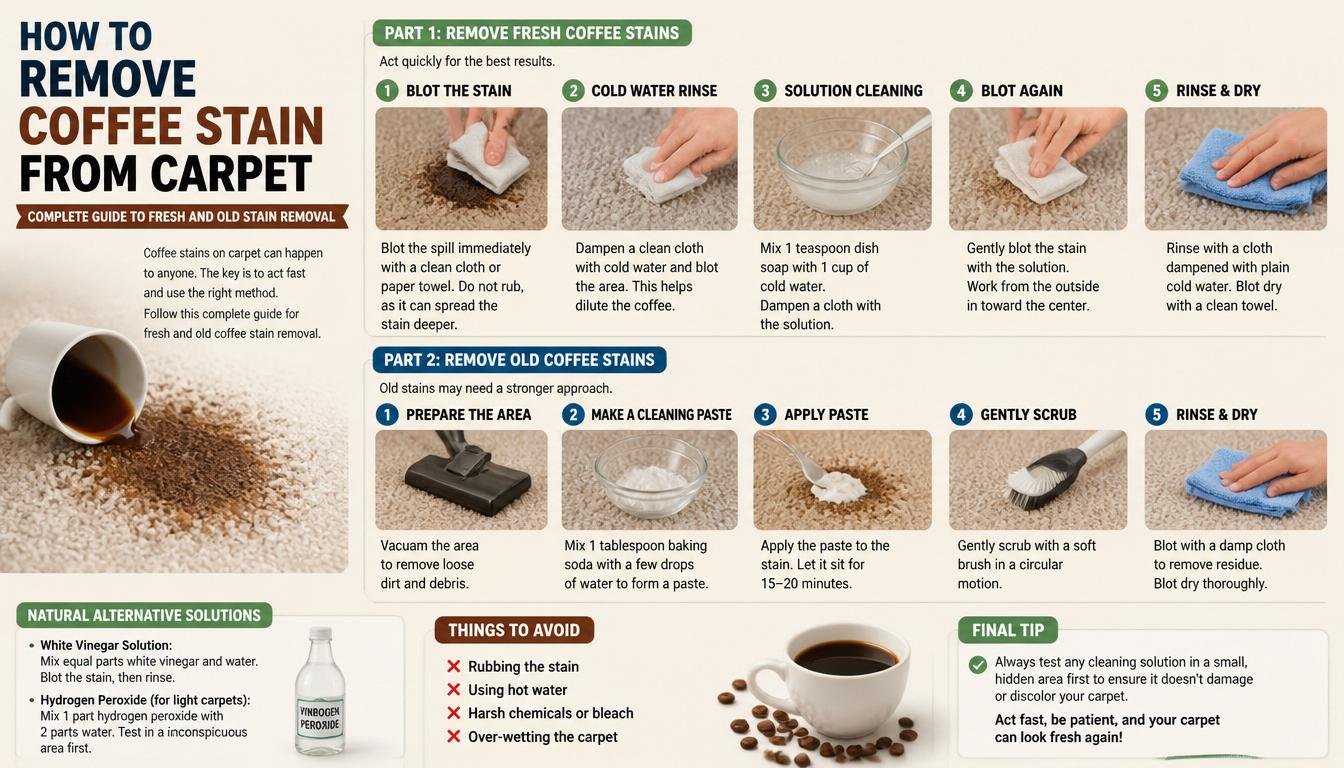
Coffee is one of the most popular beverages around the world, but a small accident can quickly turn your clean carpet into a stained mess. Whether you accidentally spill your morning coffee on a living room carpet, office flooring, or bedroom rug, coffee stains can become difficult to remove if they are not treated properly. The dark color of coffee, combined with natural oils and compounds, allows the stain to penetrate deep into carpet fibers, making quick action extremely important.
Learning how to remove coffee stain from carpet can help you protect your carpet’s appearance and extend its lifespan without immediately paying for expensive professional cleaning services. The good news is that many coffee stains can be removed using simple household ingredients such as water, vinegar, baking soda, dish soap, and other common cleaning products. The correct cleaning method depends on whether the coffee stain is fresh, dried, or mixed with milk and sugar. In this complete guide, you will discover effective methods for removing coffee stains from carpets and keeping your flooring looking clean and fresh.
Why Coffee Stains Are Difficult to Remove From Carpet
Coffee stains are challenging because carpets are made from absorbent fibers that easily trap liquids. When coffee spills onto a carpet, the liquid quickly moves below the surface, carrying pigments and oils into the fibers. If the stain is ignored for too long, it dries and bonds more strongly with the carpet material, making removal more difficult.
Coffee containing milk or cream can create an additional problem because dairy ingredients leave behind proteins and fats that attract dirt and bacteria. Similarly, sugar-based coffee spills can become sticky and collect more dust over time. This is why treating the stain as soon as possible is the most effective way to prevent permanent discoloration.
How to Remove Fresh Coffee Stain From Carpet
Fresh coffee spills are usually easier to remove because the liquid has not had enough time to settle deep into the carpet fibers. The first step is to act quickly and avoid rubbing the stain because aggressive scrubbing can push the coffee further into the carpet and spread the affected area.
Start by using a clean white cloth or paper towel to gently blot the coffee spill. Press the cloth against the stain and absorb as much liquid as possible. Continue using fresh sections of the cloth until no more coffee transfers onto the towel. After removing excess liquid, prepare a cleaning solution by mixing a small amount of dishwashing liquid with warm water.
Apply the solution carefully to the stained area and allow it to sit for several minutes. Then gently blot the carpet again until the stain begins to disappear. Rinse the area with clean water and remove extra moisture using a dry towel. Allow the carpet to dry completely to prevent moisture-related problems.
How to Remove Dried Coffee Stain From Carpet
Removing an old coffee stain from carpet requires more patience because the stain has already dried and absorbed into the fibers. Before applying any cleaning solution, loosen the dried residue by lightly spraying warm water onto the affected area. Allow the water to soften the stain for a few minutes.
A mixture of white vinegar, water, and mild dish soap can be an effective homemade coffee stain remover. Vinegar helps break down the stain while dish soap removes oils and residue trapped inside the carpet fibers. Apply the solution gently and let it work for several minutes before blotting with a clean cloth.
For stubborn stains, you may need to repeat the process several times. Avoid using excessive water because too much moisture can damage carpet padding and create unpleasant odors. Patience and repeated gentle cleaning are usually more effective than harsh scrubbing.
Using Baking Soda to Remove Coffee Stains From Carpet
Baking soda is a popular natural cleaning ingredient that can help remove stains and odors from carpets. After treating the coffee stain with a cleaning solution, sprinkle baking soda over the damp area and allow it to sit for several hours or overnight.
The baking soda absorbs remaining moisture and helps neutralize unpleasant smells caused by spilled coffee. Once the area is completely dry, vacuum the carpet thoroughly to remove the baking soda residue.
This method works especially well when combined with other cleaning techniques because it helps refresh the carpet after stain removal. However, always test cleaning solutions on a small hidden area first to ensure they do not affect the carpet color.
How to Remove Coffee With Milk or Cream From Carpet
Coffee mixed with milk or cream requires special attention because dairy products leave behind protein-based residues. Simply removing the coffee color may not be enough because leftover milk can create odors and attract bacteria.
Begin by blotting the spill immediately with a clean cloth. Avoid rubbing because this can spread the dairy residue deeper into the fibers. Use a mild dish soap solution to break down the oily components left behind by milk or cream.
After cleaning, rinse the area lightly with clean water and dry it completely. If the smell remains after cleaning, applying baking soda and vacuuming after several hours can help absorb unwanted odors.
Common Mistakes to Avoid When Removing Coffee Stains
Many people accidentally make coffee stains worse by using incorrect cleaning methods. One common mistake is rubbing the stain aggressively instead of blotting it. Scrubbing damages carpet fibers and pushes the coffee deeper into the material.
Another mistake is using too much water. While water helps dilute coffee stains, excessive moisture can soak into the carpet padding and lead to mold or unpleasant smells. It is also important to avoid strong chemicals unless you know they are safe for your specific carpet type.
Always check the carpet manufacturer’s cleaning recommendations before applying any solution. Different materials, including wool, synthetic fibers, and delicate rugs, may require different cleaning approaches.
Professional Carpet Cleaning for Stubborn Coffee Stains
Although many coffee stains can be removed at home, some older or severe stains may require professional carpet cleaning. Professional cleaners use specialized equipment and cleaning products designed to remove deep stains without damaging carpet fibers.
If you have tried multiple cleaning methods and the stain remains visible, professional treatment may restore the carpet more effectively. This option is especially useful for expensive carpets, large stained areas, or carpets made from delicate materials.
Tips to Prevent Future Coffee Stains on Carpet
Preventing coffee spills is easier than removing them. Use cups with secure lids when drinking coffee near carpets, especially in offices or vehicles. Keeping cleaning supplies nearby can also help you respond quickly when accidents happen.
Regular vacuuming removes dust and particles that can make stains appear worse. Periodic deep cleaning also helps maintain carpet quality and prevents old stains from becoming permanent.
Conclusion
Knowing how to remove coffee stain from carpet can save you time, money, and frustration when unexpected spills happen. Whether you are dealing with a fresh coffee spill or an old dried stain, quick action and the right cleaning technique can significantly improve your results. Simple solutions such as dish soap, vinegar, baking soda, and proper blotting methods can remove many coffee stains without damaging your carpet.
The most important step is treating coffee stains as soon as possible and avoiding harsh cleaning methods that can harm carpet fibers. With regular maintenance and proper stain removal techniques, you can keep your carpets clean, fresh, and attractive for many years.
Frequently Asked Questions (FAQs)
1. What is the fastest way to remove coffee stain from carpet?
The fastest way to remove a coffee stain from carpet is to immediately blot the spill with a clean cloth, apply a mixture of dish soap and warm water, and continue blotting until the stain disappears. Quick action prevents the coffee from soaking deeper into the carpet fibers.
2. Can vinegar remove coffee stains from carpet?
Yes, vinegar can help remove coffee stains from carpets because it helps break down stain particles and neutralize odors. Mix vinegar with water and apply it carefully, but always test the solution on a hidden area first.
3. How do you remove old dried coffee stains from carpet?
Old coffee stains can be removed by softening the stain with warm water and applying a cleaning solution made from vinegar, dish soap, and water. Multiple treatments may be needed for deeply absorbed stains.
4. Does baking soda remove coffee stains from carpet?
Baking soda can help absorb moisture and reduce coffee odors. It works best when used after cleaning the stain with another solution and allowing it to sit before vacuuming.
5. Can coffee permanently stain carpet?
Coffee can permanently stain carpet if it is ignored for a long time or cleaned incorrectly. Treating the spill quickly increases the chances of completely removing the stain.
6. Should I use bleach to remove coffee stains from carpet?
Bleach is generally not recommended for carpet cleaning because it can damage fibers and cause permanent discoloration. Safer alternatives include vinegar solutions, mild soap, and carpet-safe cleaning products.
7. How can I remove coffee smell from carpet?
To remove coffee odors from carpet, sprinkle baking soda over the affected area, leave it for several hours, and vacuum thoroughly. Proper drying after cleaning also helps prevent lingering smells.


Domino’s Extravaganza: Complete Guide to the Popular Loaded Pizza

KT Tape Shoulder Rotator Cuff: How to Tape for Support and Pain Relief

Elle Brooke Dredd: Who Are They and What Does the Search Term Mean?

Katie Holmes and Joshua Jackson: Their Hollywood Journey, Connection, and Career Highlights

Pedro Vaz Paulo: Leadership, Business Strategy, and Professional Excellence

Belgium De Bruyne: Career, Achievements, Playing Style and Football Legacy
 Celebrity3 months ago
Katie Holmes and Joshua Jackson: Their Hollywood Journey, Connection, and Career Highlights
- Business3 months ago
Pedro Vaz Paulo: Leadership, Business Strategy, and Professional Excellence
- Celebrity3 months ago
Belgium De Bruyne: Career, Achievements, Playing Style and Football Legacy
- News3 months ago
Sea Isle News: Latest Local Updates, Events, Weather, and Community Stories
- Tech3 months ago
MindArk Entropia: The Complete Guide to the World’s Most Unique Virtual Economy
- Business2 months ago
Sportsman’s Warehouse Store Closures: Everything You Need to Know About Store Shutdowns, Business Strategy, and Future Growth
- Tech3 months ago
Mazda CX-5 2025: Complete Review, Specs, Features, Price, Performance, and Buying Guide
- Entertainment3 months ago
Brewzle: The Complete Guide to Everything You Need to Know