Connect with us

Fruit

Dragon Fruit: Benefits, Nutrition, Uses, Types, and Complete Health Guide

Published

on

dragon fruit

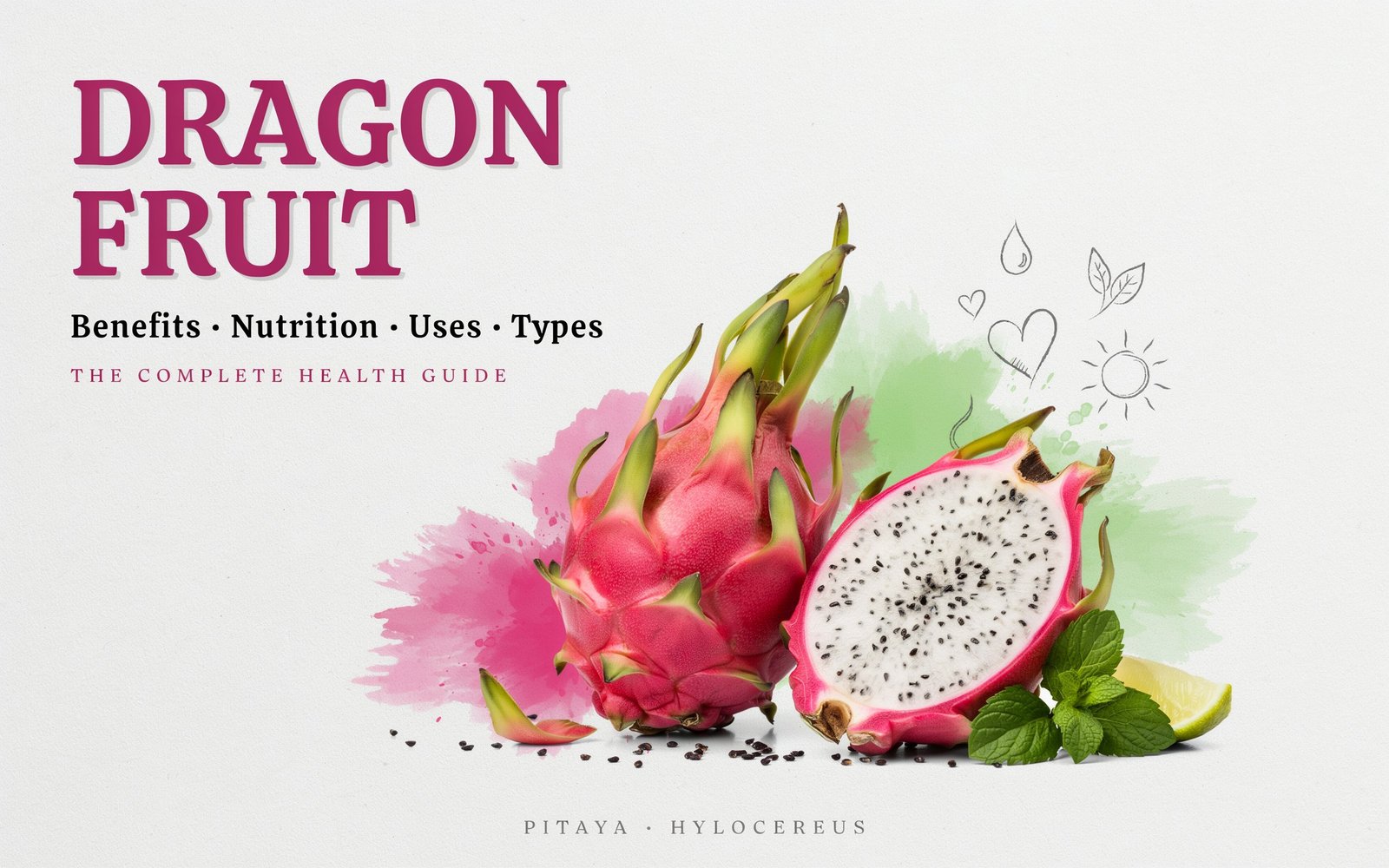
Dragon fruit has become one of the world’s most popular tropical fruits because of its striking appearance, refreshing taste, and impressive nutritional value. Also known as pitaya or pitahaya, dragon fruit belongs to the cactus family and is grown in many tropical and subtropical regions around the globe. The fruit is recognized by its vibrant pink or yellow skin with green scales and its juicy white or red flesh filled with tiny edible black seeds.

In recent years, dragon fruit has gained widespread attention among health-conscious individuals due to its rich supply of antioxidants, dietary fiber, vitamins, and minerals. Whether you are looking to improve digestion, support heart health, strengthen your immune system, or simply enjoy a delicious low-calorie snack, dragon fruit offers a wide range of benefits. Its mild sweetness and versatility make it suitable for smoothies, fruit bowls, desserts, salads, and refreshing beverages.

This complete guide explores everything you need to know about dragon fruit, including its nutritional profile, health benefits, different varieties, culinary uses, growing methods, possible side effects, and answers to commonly asked questions.

What Is Dragon Fruit?

Dragon fruit is the fruit of several cactus species belonging to the genus Selenicereus. Native to Central America, it is now widely cultivated in countries such as Vietnam, Thailand, Malaysia, Indonesia, the Philippines, Israel, Mexico, and several other tropical regions. The plant thrives in warm climates and produces large, fragrant flowers that bloom at night, earning it the nickname “Queen of the Night.”

The fruit has a unique appearance with thick colorful skin covered in leafy scales. Inside, the flesh is juicy and filled with tiny black seeds that provide a pleasant crunch. Dragon fruit is appreciated not only for its attractive appearance but also for its refreshing taste, which is often described as a blend of kiwi and pear.

Types of Dragon Fruit

Dragon fruit is available in several varieties, each with its own appearance and flavor.

The white-fleshed dragon fruit is the most common variety. It features bright pink skin with white flesh and tiny black seeds. It has a mildly sweet flavor and is widely available in supermarkets.

Red-fleshed dragon fruit has deep pink skin and vibrant red flesh. This variety generally contains more antioxidants and has a sweeter taste than the white-fleshed variety.

Yellow dragon fruit has bright yellow skin with white flesh. Although smaller in size, it is often considered the sweetest variety and is highly prized for its juicy texture.

Each variety offers similar nutritional benefits, making them all excellent choices for a healthy diet.

Dragon Fruit Nutrition Facts

Dragon fruit is naturally low in calories while providing an excellent source of important nutrients. A typical serving contains dietary fiber, vitamin C, magnesium, iron, calcium, potassium, antioxidants, and plant compounds known as betalains and flavonoids. These nutrients help support overall health while making dragon fruit a satisfying addition to a balanced diet.

The fruit also contains a high percentage of water, helping the body stay hydrated during hot weather. Its combination of fiber and natural sugars provides sustained energy without excessive calorie intake, making it an ideal snack for many people.

Health Benefits of Dragon Fruit

Dragon fruit offers numerous health benefits due to its impressive nutritional profile. The antioxidants found in the fruit help protect cells from oxidative stress, which may reduce the risk of chronic diseases. Vitamin C supports the immune system, encourages healthy skin, and promotes wound healing. Magnesium contributes to normal muscle and nerve function, while dietary fiber helps improve digestion and supports a healthy gut microbiome.

The fruit’s fiber content may assist with maintaining healthy cholesterol levels and promoting heart health. Dragon fruit is also considered a low-glycemic fruit, making it a suitable option for many people who are managing blood sugar levels as part of a healthy diet. Additionally, its natural hydration and refreshing taste make it a valuable fruit during warmer months or after physical activity.

How to Eat Dragon Fruit

Eating dragon fruit is simple and convenient. Begin by washing the fruit thoroughly and slicing it in half lengthwise. Scoop out the flesh with a spoon or peel away the skin before cutting the flesh into cubes. The seeds are edible and do not need to be removed.

Dragon fruit can be enjoyed fresh on its own or added to fruit salads, smoothies, yogurt bowls, oatmeal, and desserts. It also pairs well with tropical fruits such as mango, pineapple, banana, and kiwi. Many people use dragon fruit to prepare colorful smoothie bowls, juices, sorbets, and refreshing summer drinks because of its vibrant appearance and mild flavor.

Culinary Uses of Dragon Fruit

Dragon fruit is one of the most versatile tropical fruits in modern cuisine. Chefs and home cooks alike use it to create visually appealing dishes that are both healthy and delicious. Its mild sweetness allows it to blend easily into smoothies, while its attractive color enhances fruit platters and desserts. The fruit can also be frozen and blended into sorbets or incorporated into homemade jams and sauces.

Restaurants frequently use dragon fruit as a garnish because its vibrant colors instantly elevate the presentation of dishes. It is equally suitable for breakfast recipes, healthy snacks, desserts, and beverages, making it a favorite ingredient among food enthusiasts.

How to Grow Dragon Fruit

Dragon fruit plants thrive in warm climates with well-drained soil and plenty of sunlight. As climbing cacti, they require sturdy support structures such as trellises or posts. The plants are drought tolerant but benefit from regular watering during active growth while avoiding waterlogged soil.

Propagation is commonly done through stem cuttings, which establish more quickly than seeds. With proper care, dragon fruit plants begin producing fruit within one to three years, depending on growing conditions. Regular pruning improves air circulation, encourages healthy growth, and increases fruit production over time.

Possible Side Effects

Dragon fruit is considered safe for most people when eaten in moderation. In rare cases, individuals may experience allergic reactions, including itching or swelling. Consuming large amounts may temporarily change the color of urine or stool after eating red-fleshed varieties, which is generally harmless.

As with any food, moderation is key. Individuals with specific medical conditions or dietary concerns should consult a healthcare professional if they have questions about incorporating dragon fruit into their diet.

Conclusion

Dragon fruit is much more than an eye-catching tropical fruit. Its combination of vitamins, minerals, antioxidants, fiber, and refreshing flavor makes it a valuable addition to a healthy lifestyle. Whether enjoyed fresh, blended into smoothies, added to salads, or incorporated into desserts, dragon fruit offers versatility alongside impressive nutritional benefits. With its growing popularity around the world, this colorful fruit continues to attract people seeking delicious ways to improve their diet. By understanding its varieties, nutritional value, health benefits, and practical uses, you can confidently include dragon fruit as part of a balanced and enjoyable eating plan.

Frequently Asked Questions (FAQs)

1. What does dragon fruit taste like?

Dragon fruit has a mildly sweet flavor that is often compared to a combination of kiwi, pear, and melon, with a refreshing and juicy texture.

2. Is dragon fruit good for weight loss?

Yes. Dragon fruit is low in calories, rich in fiber, and has a high water content, making it a filling snack that can support a balanced weight-management plan.

3. Can people with diabetes eat dragon fruit?

Dragon fruit has a relatively low glycemic index and contains fiber, which may help slow sugar absorption. People with diabetes should still monitor portion sizes and follow advice from their healthcare provider.

4. How do you know when dragon fruit is ripe?

A ripe dragon fruit has bright, evenly colored skin and yields slightly when gently pressed, similar to a ripe avocado.

5. Can you eat dragon fruit seeds?

Yes. The small black seeds are edible, safe to consume, and provide additional fiber and healthy fats.

6. What vitamins are found in dragon fruit?

Dragon fruit contains vitamin C and small amounts of several B vitamins, along with minerals such as magnesium, iron, potassium, and calcium.

7. Is dragon fruit a superfood?

While “superfood” is a marketing term rather than a scientific classification, dragon fruit is highly nutritious because it provides antioxidants, fiber, vitamins, minerals, and beneficial plant compounds.

8. How should dragon fruit be stored?

Store whole dragon fruit at room temperature until ripe. Once ripe or cut, keep it in the refrigerator in an airtight container and consume it within a few days.

9. Can dragon fruit be frozen?

Yes. Peeled and cubed dragon fruit freezes well and is ideal for smoothies, sorbets, and other frozen recipes.

10. Is dragon fruit healthy to eat every day?

For most people, enjoying dragon fruit regularly as part of a varied, balanced diet is a healthy choice. Eating a variety of fruits ensures a broad range of nutrients.

Continue Reading

Trending